




Photo credit: Simon Hoby/Google Maps
As the dust settles on the closure of Caboolture Warplane Museum, questions are emerging about the fate of the precious artefacts, medals, and memorabilia that told three decades of Australia’s aviation history.
Read: End of an Era: Caboolture Warplane Museum Closes Doors After 30 Years


The museum’s collection, which included everything from WWII-era aircraft to personal effects of legendary aviators, will be redistributed to museum partners and historical organisations. But for some community members, concerns linger about whether these items will remain accessible to the public or disappear into storage vaults.
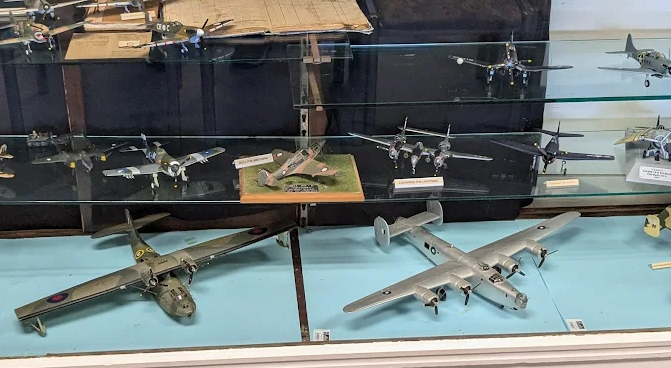
In their closure statement last month, the museum announced that “our collection, memorabilia, and the stories entrusted to us will live on through carefully selected museum partners and historical organisations.” Initial steps are now being taken to fulfill that promise.


Items Finding Their Way to National Institutions
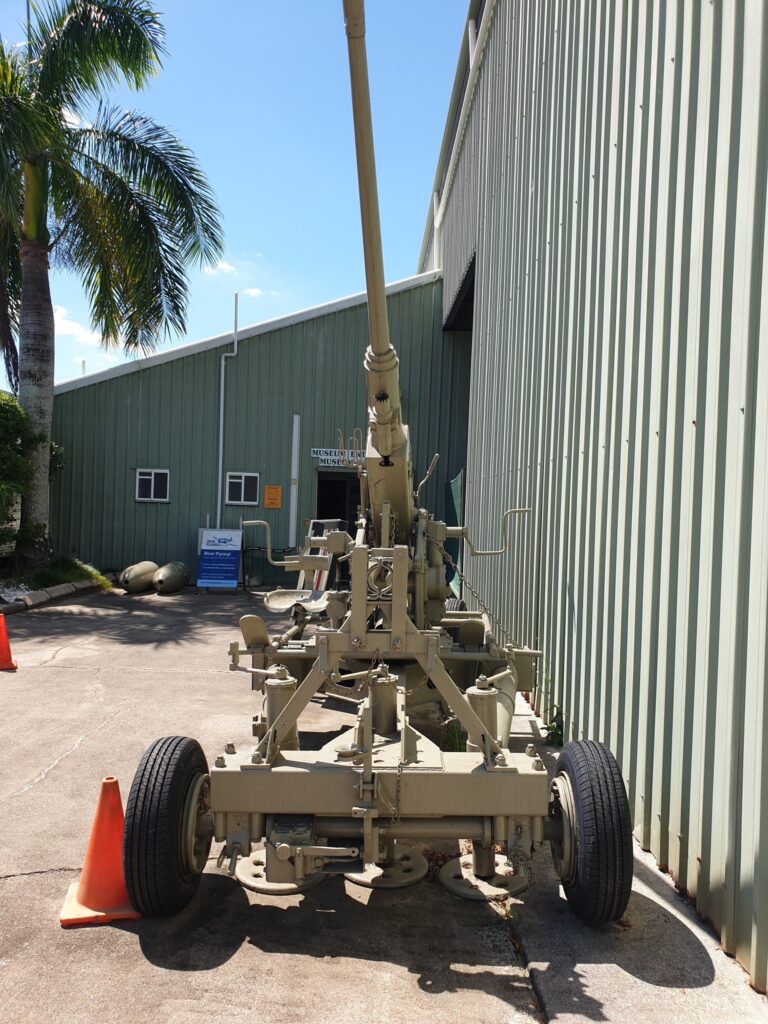
The Australian War Memorial has reportedly expressed interest in acquiring items from the collection, including memorabilia belonging to Leonard Waters. The Waters family has been contacted about where his display items and medals will be relocated, with decisions still being made about the final destination of these historically significant pieces.
The consultation with the Waters family reflects the museum’s commitment to handling these personally and culturally significant items with care and respect, ensuring that families have input into where their loved ones’ legacies will be preserved.
The Story of Len Waters
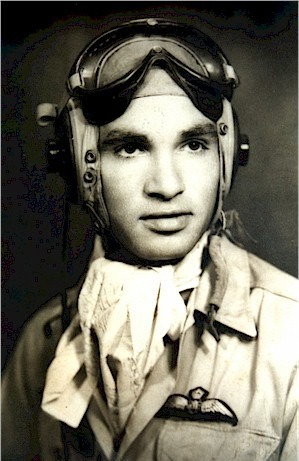
Among the museum’s most significant exhibits was the tribute to Leonard Waters, Queensland’s first Aboriginal fighter pilot and the only Indigenous Australian to serve as a fighter pilot in the Royal Australian Air Force during World War II.
According to community discussions following the museum’s closure, Waters’ family has been contacted and a decision will be made regarding where his display items and medals will go. The Australian War Memorial is interested in obtaining his collection, and it appears most likely it will be transferred there.


Among Waters’ honours was the Oorlogsherinneringskruis (Netherlands War Cross). His story at the Caboolture museum introduced many visitors to his groundbreaking achievements as Australia’s first Aboriginal military aviator.
Read: Caboolture Watchhouse Murals Reflect Local Culture
A Collection Built on Volunteers and Donations
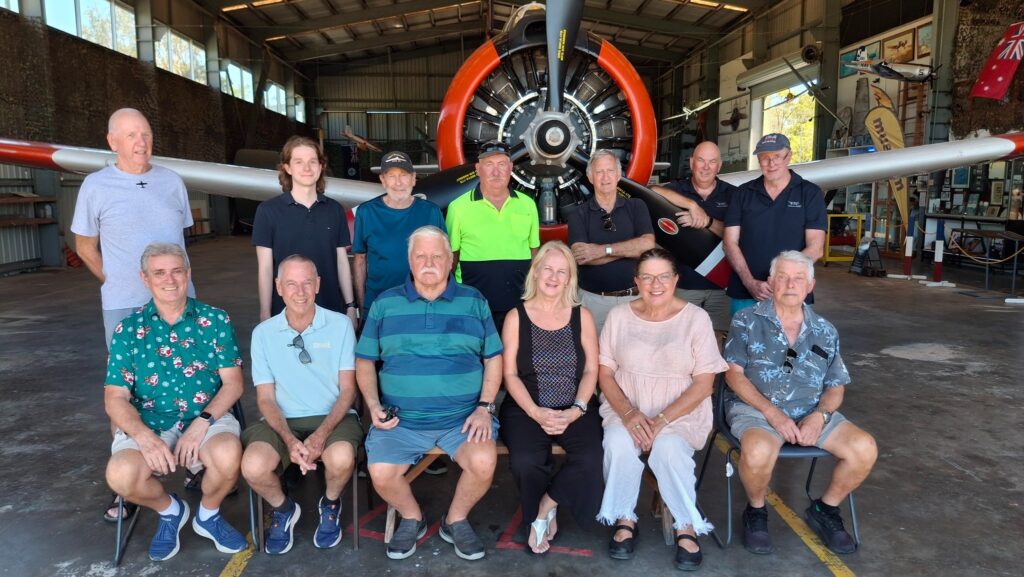
The Caboolture Warplane Museum’s collection represented 30 years of volunteer labour, donations, and community support. As a non-government institution, every item was acquired and maintained through the dedication of members who believed in preserving Australia’s aviation heritage for future generations.
The museum’s holdings included iconic aircraft such as the North American T-6 Texan, a Gipsy Moth, and a Huey helicopter, alongside the DC-47 Dakota that once served dignitaries including Sir Winston Churchill and King George VI. Beyond the aircraft, artefacts from WWI, WWII, and the Vietnam era told the human stories behind Australia’s aviation history.
The museum closed on December 19 after its hangar was sold and lease extension options expired, despite a petition by Federal Member for Longman Terry Young to save the institution.
Legacy Takes Flight
While the physical museum has closed, the careful distribution of its collection aims to ensure that the stories it preserved continue to educate and inspire. The museum’s commitment to selecting partners carefully offers hope that Australia’s aviation heritage will remain accessible to future generations.
For families like the Waters family, the transition represents both an ending and a continuation—ensuring that the sacrifices and achievements of their loved ones are preserved in institutions equipped to protect them for decades to come.
Published 15-January-2026
CLICK ANY LOGO TO SEE PUBLICATION