
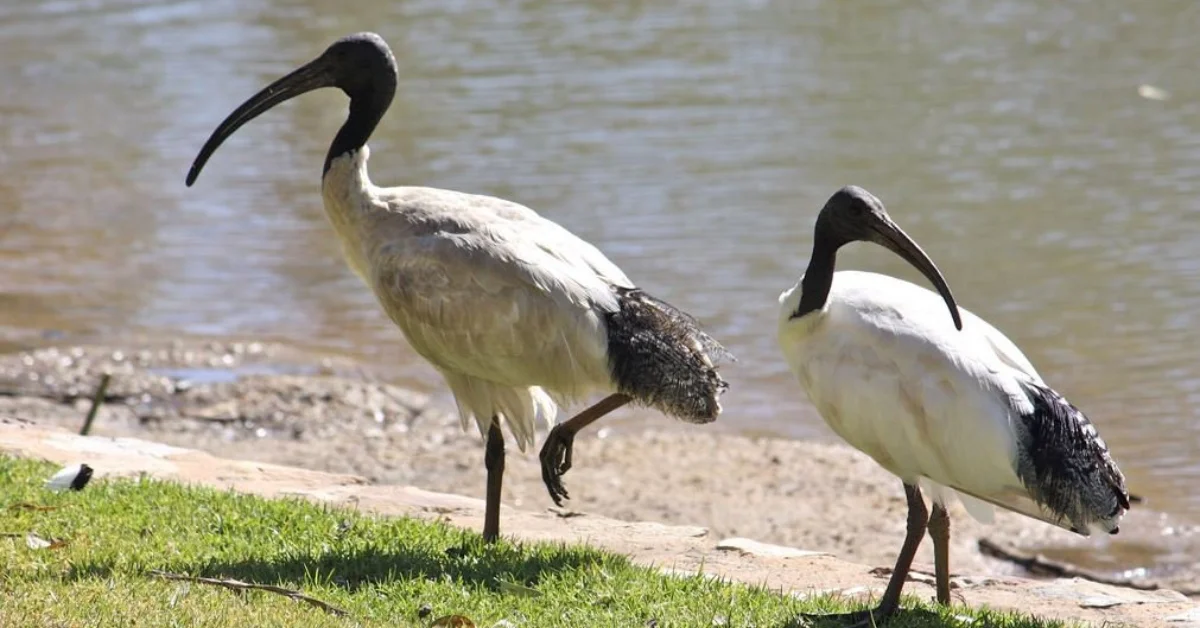
A tracking study involving Australian white ibis tagged in Caboolture has shown the birds travel across long distances along the east coast, while some remain close to their original location.
Caboolture Central To Ibis Tracking Effort
Caboolture was a key location in a regional study examining the movement of Australian white ibis across Moreton Bay. Several birds were tagged at sites including Central Lakes Park and the Caboolture Waste Management Facility as part of the research.


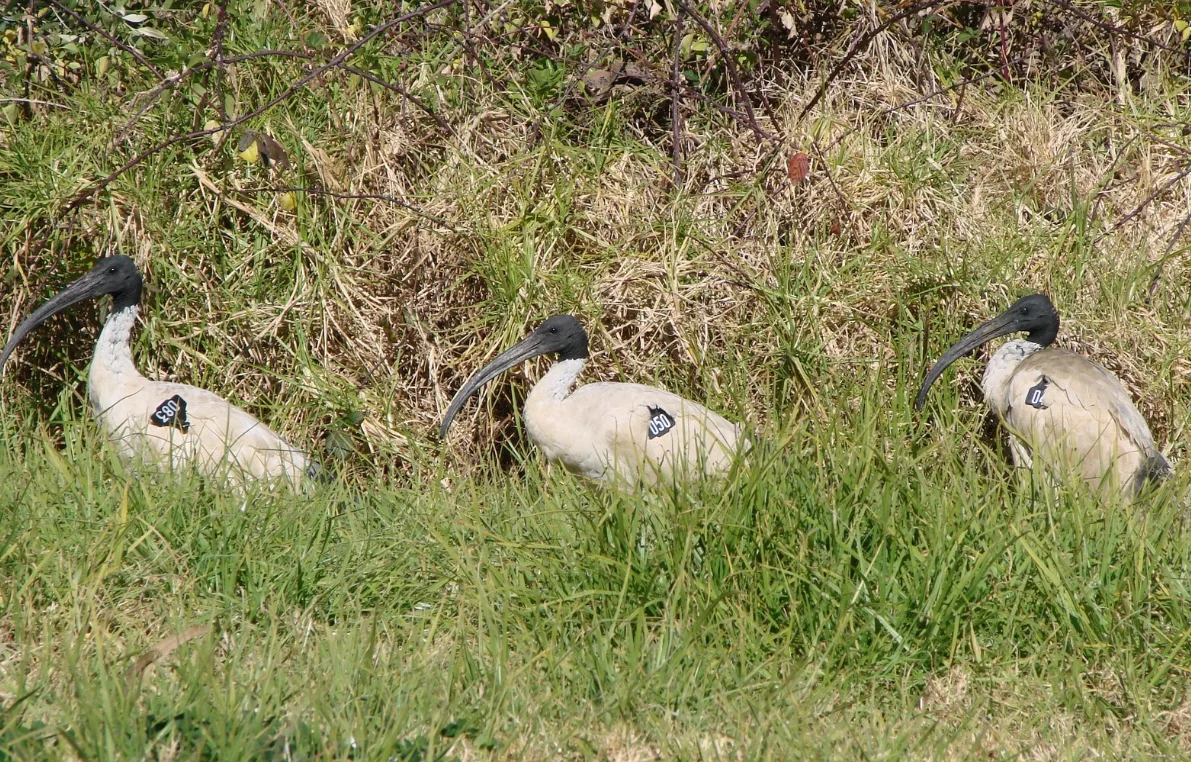
The project monitored 169 ibis over nearly two years using coloured identification tags, with 19 birds also fitted with short-term GPS trackers to capture detailed movement data.
Recorded sightings show the birds are not limited to one area, with movements spanning from Mackay in northern Queensland to Byron Bay in northern New South Wales.


Study Responds To Breeding Increase
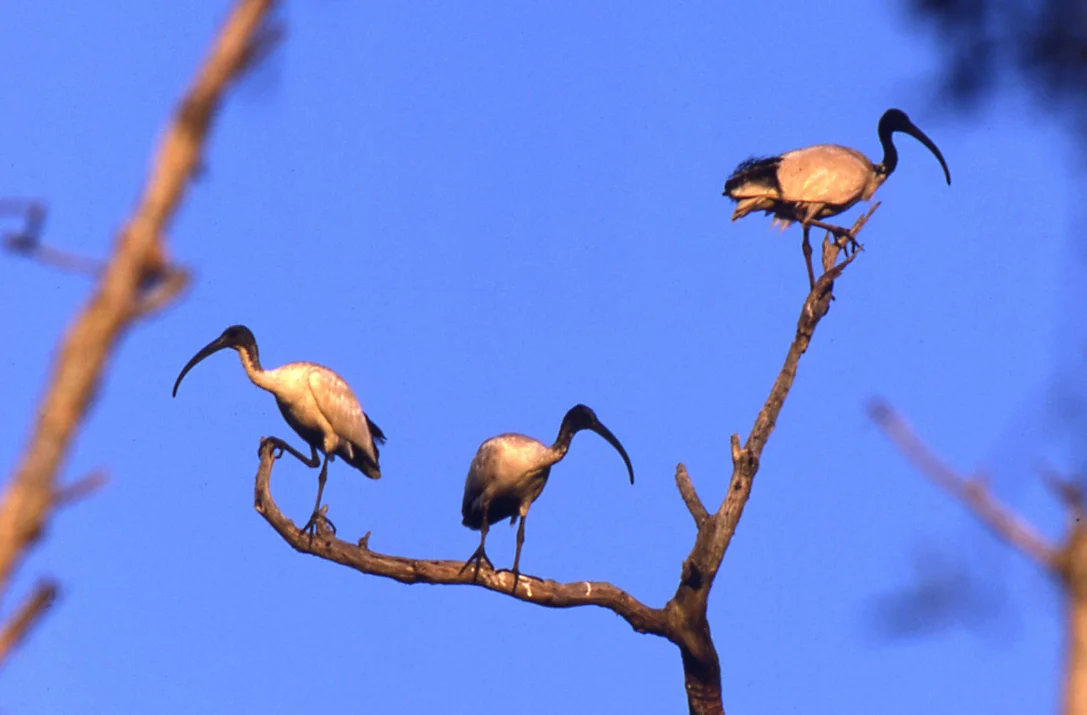
The research commenced in 2021 after a rise in ibis breeding sites across Moreton Bay, increasing from 17 to 70 locations within four years.
The study examined whether the population is resident or migratory, identified breeding habitat preferences, and assessed how ibis interact with urban environments.
Tagging activities were carried out across multiple locations including Caboolture, Bribie Island, Bunya, Morayfield, Burpengary East, Scarborough, Strathpine, Lawnton and Woodford.
Individual Bird Movements Highlighted
Tracking data from birds tagged in Caboolture provided detailed insights into movement patterns. One ibis travelled through areas including Caloundra, Noosa and Gympie before returning to Moreton Bay in September 2024.


Another bird tagged at Caboolture was later recorded in Rockhampton in December 2024, showing long-distance travel beyond the local region.
In contrast, some ibis displayed limited movement, remaining within a small radius of their original tagging site.
Urban Behaviour And Regional Movement
Australian white ibis are native wetland birds that have adapted to urban conditions, often feeding and nesting in parks, waterways and developed areas.
The findings indicate ibis colonies are connected across regions rather than isolated, with birds moving between urban centres along the coast.
Management approaches focus on reducing access to artificial food sources, maintaining clean public areas and monitoring nesting activity during breeding periods.
Community Participation Encouraged
Residents and businesses in Caboolture are encouraged to avoid feeding ibis, secure rubbish bins and keep outdoor areas clean to help manage bird activity.
Members of the public can also support ongoing monitoring by reporting sightings of tagged ibis through the Big City Birds citizen science app.
The research is expected to inform long-term ibis management and improve understanding of how the species uses urban environments.
Published 19-Mar-2026
Photo Credit: Australian Museum
CLICK ANY LOGO TO SEE PUBLICATION