



Did you know that the first Australian-born person to sail around Australia was an Aboriginal man named Bungaree (aka Bongaree or Boongaree), who is now immortalised in a bronze sculpture at the Seaside Museum on Bribie Island?
A Meeting of Two Worlds
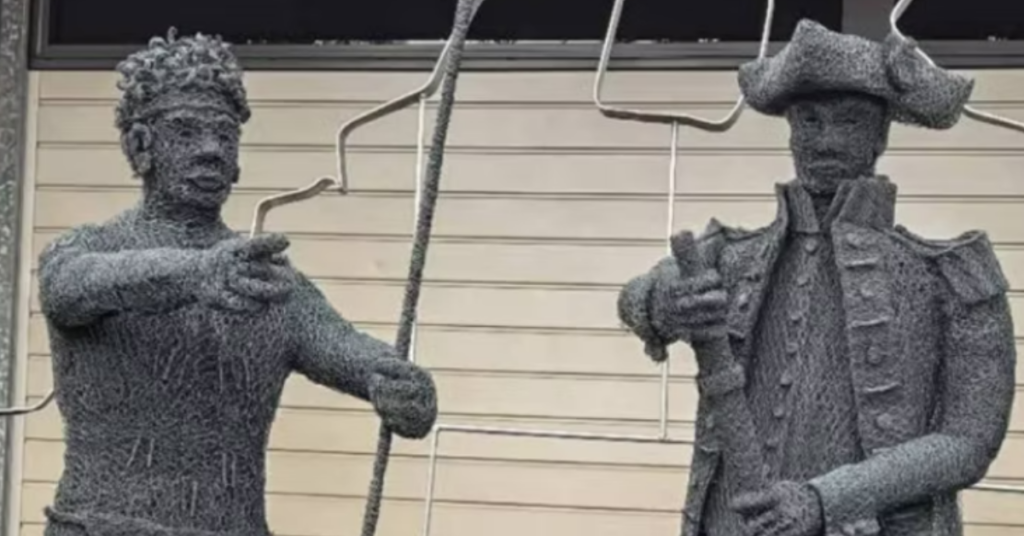
The shoreline of the Pumicestone Passage serves as the backdrop for a story of friendship and shared discovery. While British navigator Matthew Flinders is a household name in maritime history, the presence of Bnugaree at his side was essential to the success of their voyages.


The two men first met while working on a ship headed for Norfolk Island, where Flinders noticed Bungaree’s quick mind and skills. This connection led to a partnership that changed how the world viewed the Australian coastline.
The Journey to Bribie Island
The pair arrived at the beach now known as Bongaree after sailing from Sydney on a small 25-tonne boat called the Norfolk. This landing was a significant moment for the local area, marking one of the earliest recorded meetings between European explorers and the Traditional Owners of the region.


Bungaree was much more than a passenger on these trips. He acted as a skilled diplomat who could talk to different Aboriginal groups they met along the way, helping to keep the peace and gather information despite the many different languages spoken across the coast.
Mapping the Continent
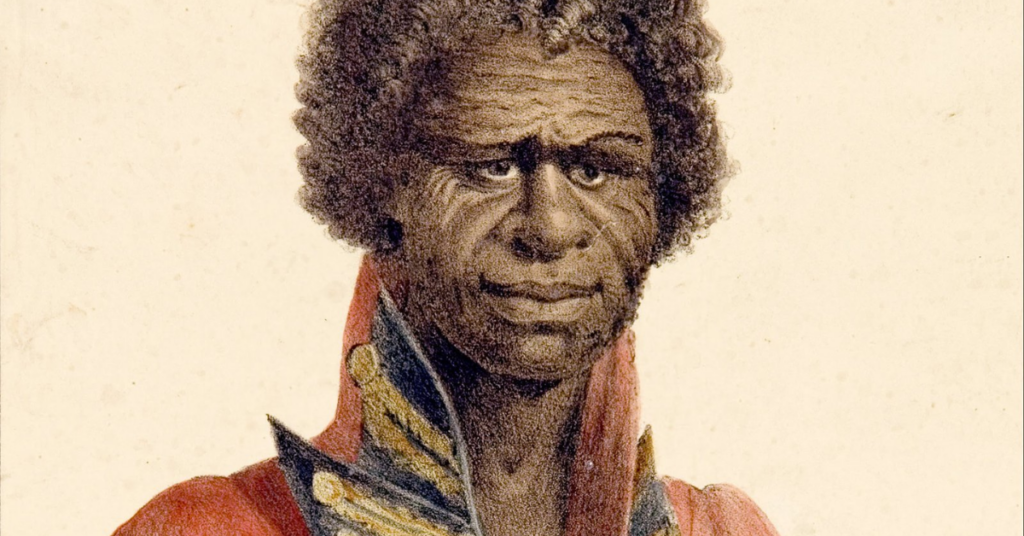
Photo Credit: Australian Museum
Because of his success on earlier trips, Flinders relied on Bungaree again for his most famous voyage. From their departure until their return, they worked together aboard the HMS Investigator to map parts of the Australian coastline that were previously unknown to Europeans.
Bungaree’s role as an intermediary remained vital, and he later continued this work by joining other explorers, such as Phillip Parker King, on journeys to the north-western parts of the country. These expeditions proved that his maritime and social skills were respected by many of the era’s leading navigators.
Bringing History to Life
The Bribie Island Historical Society worked to ensure that Bungaree received equal recognition next to Flinders. For a long time, there were many signs and stories about the English explorer but very few visual reminders of the man the local suburb is actually named after.


The community-funded project resulted in a detailed artwork located outside the Bribie Island Seaside Museum. It shows Bungaree pointing toward the horizon while Flinders prepares to look through a telescope. Even Trim, the famous ship’s cat who travelled with them, is included in the scene.
A Lasting Local Legacy
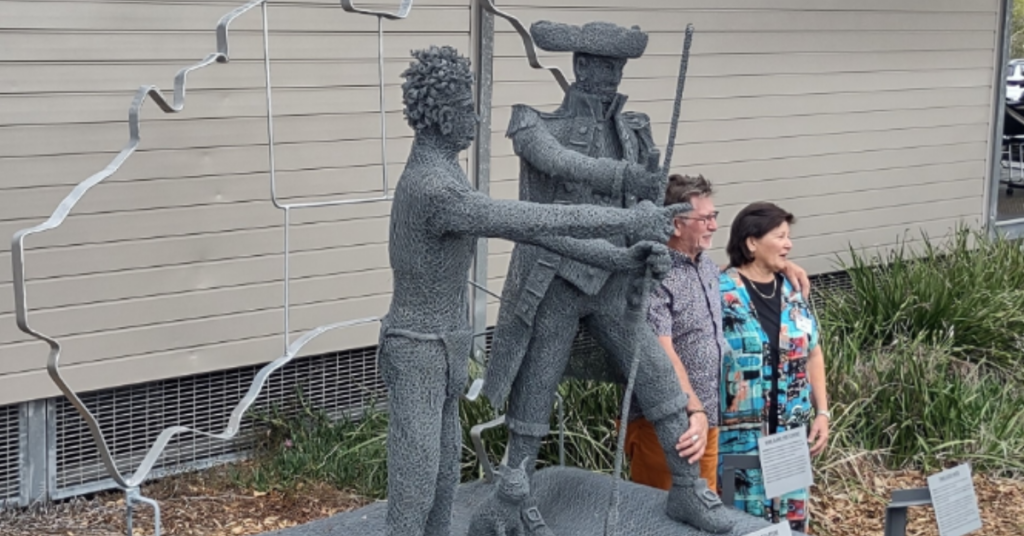
The project involved local elders from the Kabi Kabi and Joondoburri people, along with descendants of Bungaree’s family, to make sure the tribute was respectful and accurate. The Historical Society spent years researching and saving funds to complete the work, viewing it as a necessary step to fill a gap in the island’s recorded history.
By placing these figures together, the community has created a space where people can reflect on the teamwork required to map the continent and the deep connection Bungaree had to the sea.
Published Date 31-March-2026
Photo Credit: Moreton Bay Region Libraries/Archer, Geoff
CLICK ANY LOGO TO SEE PUBLICATION