
Caboolture Hospital has launched an innovative new toolkit designed to help families and healthcare teams recognise and prevent delirium in older patients, marking the hospital’s participation in a major national research trial.
Read: Caboolture Hospital Launches Queensland-First Post-Discharge Support Service
The PREDICT (Prevention and Early Delirium Identification Carer Toolkit) is a nurse-led, carer-focused intervention developed by researchers from Southern Cross University in partnership with the University of the Sunshine Coast and the University of Canberra. It is designed to equip carers with practical tools to recognise the early signs of delirium and work alongside clinicians to respond promptly.


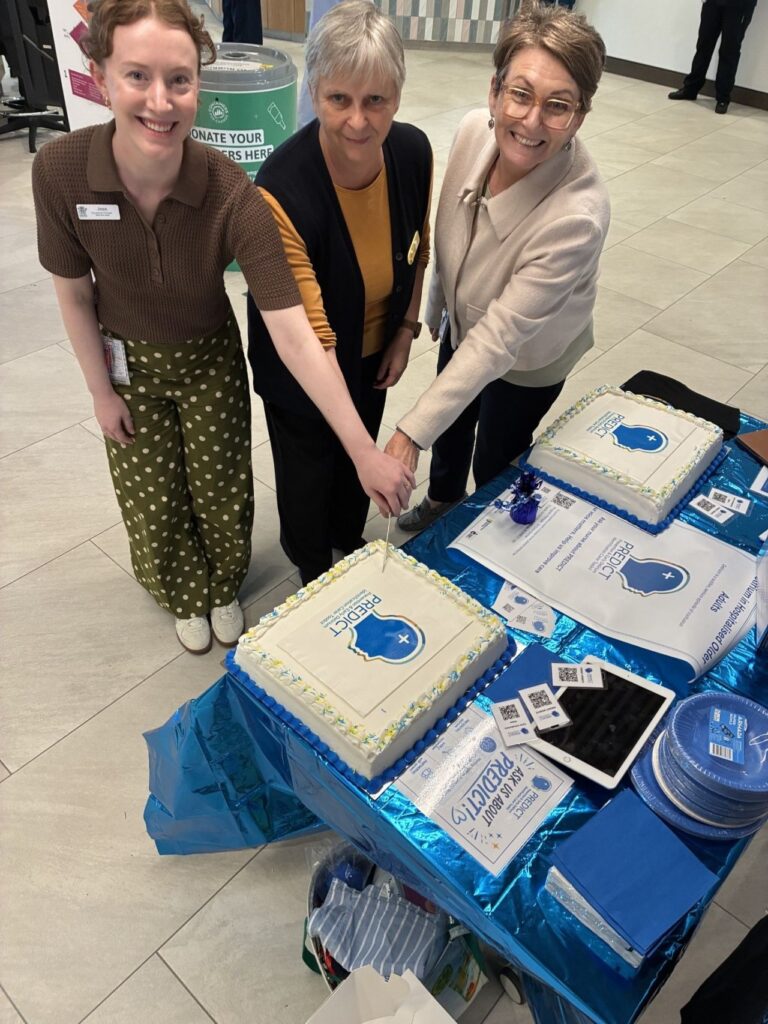
The rollout officially began at Caboolture Hospital on 16 June, with the facility joining Royal Brisbane and Women’s Hospital as Metro North Health’s participating sites in the national study. Northern NSW Health and Canberra Health Services are already taking part, while Gold Coast Health is expected to join later this year.


Associate Professor Alison Craswell from the University of the Sunshine Coast, who is also a Visiting Senior Nurse Research Fellow at Caboolture Hospital, said older people admitted to hospital are particularly vulnerable to developing delirium. She said the condition can be distressing for patients and their families and is often mistaken for dementia because the symptoms can appear similar. She also said carers are well placed to notice changes in a loved one’s thinking or behaviour because they know the person best.
The PREDICT toolkit is designed to strengthen partnerships between healthcare teams and families. It provides carers with checklists, educational materials and guidance on what changes to look for, along with advice on how to communicate concerns to hospital staff.
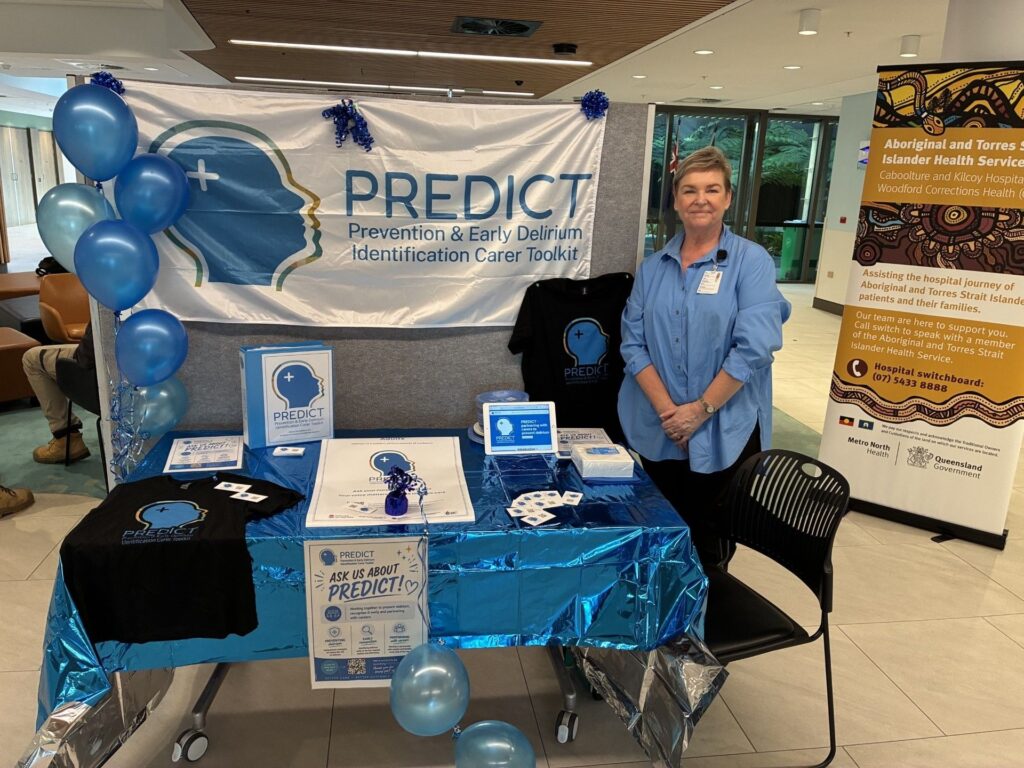
The toolkit is available in several formats, including a web-based platform, a smartphone version and printed resources, making it accessible for carers in different situations while supporting collaboration with healthcare teams.



Understanding Delirium
Delirium is a serious medical condition that causes a sudden change in a person’s thinking, awareness and behaviour. Symptoms can develop over hours or days and may include confusion, difficulty concentrating, changes in alertness, disorientation, hallucinations or agitation.
Although delirium and dementia can share similar symptoms, they are different conditions. Dementia generally develops gradually over time, while delirium comes on suddenly and is commonly triggered by an acute illness, infection, surgery or certain medications.
Older people admitted to hospital are particularly at risk of developing delirium. If it is not recognised early, the condition can contribute to longer hospital stays, falls, reduced independence and poorer health outcomes. Health experts say early identification and timely intervention can improve recovery and reduce complications.
By encouraging carers to raise concerns as soon as they notice changes, the PREDICT toolkit is intended to support earlier recognition and response to delirium. The benefits of the program are also intended to continue after patients leave hospital. Associate Professor Craswell said carers can use the knowledge and resources gained through PREDICT at home, where recognising early warning signs and seeking support from a GP or healthcare provider may help prevent avoidable hospital admissions and improve outcomes for older people.
Implementation is underway across six participating medical wards at Caboolture Hospital, with staff receiving education and training ahead of the rollout. Hospital leaders hope the initiative will increase awareness of delirium across the organisation and encourage staff to actively engage with carers when concerns are raised.
The study has also received community support through The Common Good, which contributed $30,000 towards the National Health and Medical Research Council partnership grant funding the trial.
Read: Community-Focused Design Leads to Major Award for Caboolture Hospital
As the national research continues, Caboolture Hospital is contributing to efforts to improve delirium prevention through the multi-site study. Researchers hope the project will help improve recognition of delirium and strengthen partnerships between families and healthcare teams.
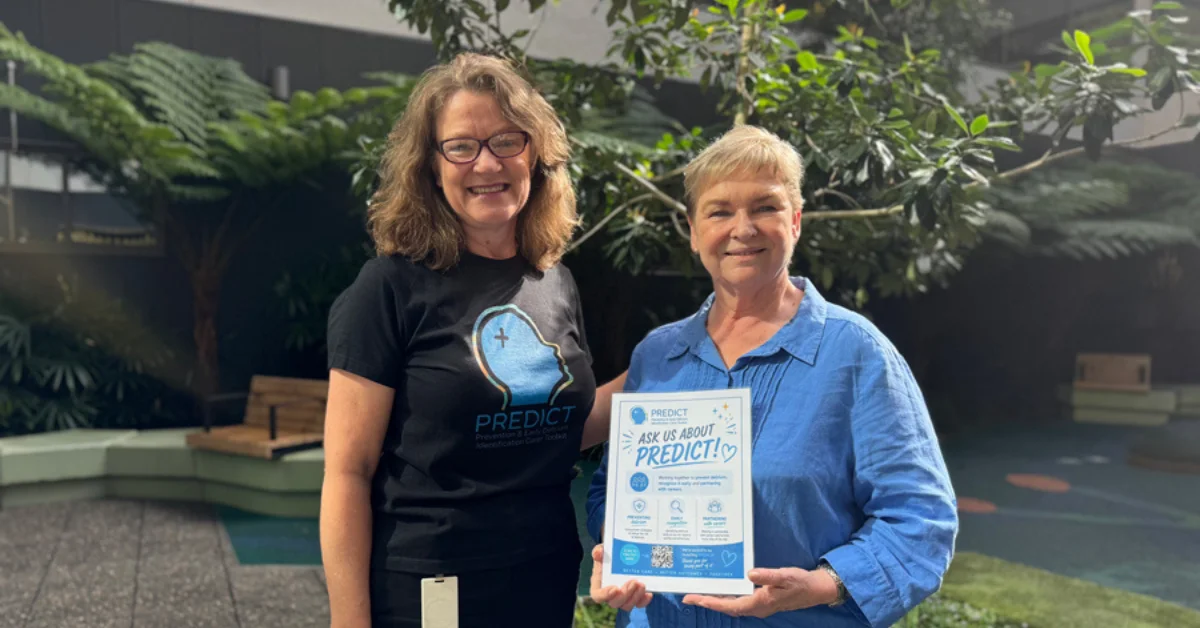
Featured image: Associate Professor Alison Craswell and Site Implementation Nurse Margaret Cahill (Photo credit: Metro North Health)
Published 12-July-2026
CLICK ANY LOGO TO SEE PUBLICATION