
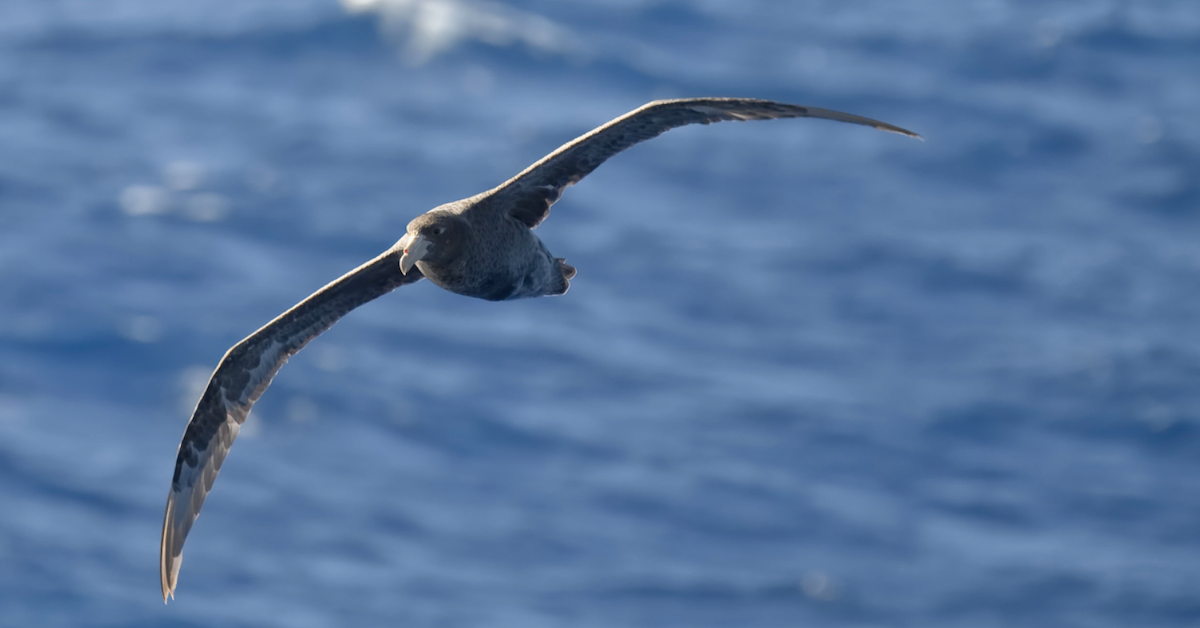
Queensland has recorded its first confirmed case of H5 bird flu after a dead petrel was found on Moreton Island (Mulgulpin).
Queensland Parks and Wildlife Service rangers discovered the seabird on the island’s eastern shoreline on Saturday, 18 July. Following initial positive tests at a state laboratory, sample testing at the CSIRO Australian Centre for Disease Preparedness in Geelong confirmed the bird had H5 highly pathogenic avian influenza.


Authorities stress the result has not affected Queensland’s poultry industry, and the risk to human health remains low. There is currently no sign of large-scale wildlife deaths in the state.
Queensland prepared for arrival
Queensland Chief Veterinary Officer Dr. Allison Crook said officials had expected the virus to reach the state, following a pattern seen across Australia.


Australia recorded its first recent wild seabird case on 20 June 2026 in Western Australia, followed by detections in South Australia and New South Wales. Most affected species have been ocean-going birds like petrels and skuas that travel long distances. A sick petrel tested on the Sunshine Coast earlier in July returned a negative result.
Dr. Crook confirmed Queensland had already strengthened its monitoring program and increased contact with at-risk industries. More than 1,000 reports have been made to the hotline from Queensland since Australia’s first confirmed case on 20 June. These reports help biosecurity and animal health teams investigate suspected cases.
No threat to poultry or food safety
So far, officials have not detected H5 bird flu in poultry anywhere in Australia during this outbreak.
The Department of Primary Industries confirmed that chicken meat and eggs remain safe to buy and eat using normal handling and cooking practices. Poultry farmers have been notified of the Moreton Island detection, and industry groups are continuing strict biosecurity measures to prevent contact between farmed and wild birds.



Federal Agriculture Minister Julie Collins noted that Australia’s previous bird flu outbreaks involved H7 strains rather than the H5 strain currently moving through wild seabird populations.
What beach visitors should do
Authorities have not announced restrictions on visiting Moreton Island or other coastal areas. However, they are urging people to heed the following:
- Do not touch sick or dead birds.
- Keep children and pets away from the animal.
- Document the sighting: Note the location and take a photograph from a safe distance if possible.
- Report it: Call the Emergency Animal Disease Hotline on 1800 675 888.
Handling an infected bird poses risks to humans and pets, and it can complicate sample collection for trained staff.
Wildlife groups call for vigilance
Conservation groups say early detection is vital to track how the virus spreads. BirdLife Australia president Professor Hugh Possingham described the arrival as significant but not unexpected. He called for stronger action to protect threatened native bird populations. The Invasive Species Council has similarly urged governments to support wildlife recovery and disease monitoring.
While Moreton Island marks an important shift in Queensland’s response, authorities reassure the public that the detection does not signal a poultry outbreak or a broad community risk.
Published 25-July-2026
CLICK ANY LOGO TO SEE PUBLICATION