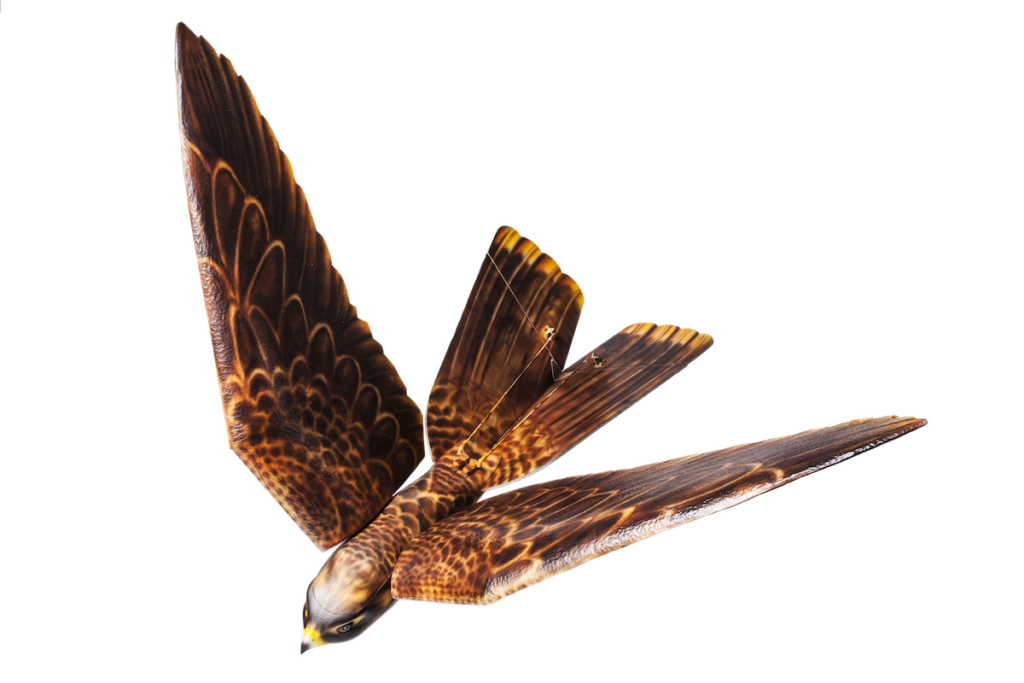




25,000 Tickets Gone in 12 Hours: How Caboolture’s Medieval Festival Became Australia’s Best

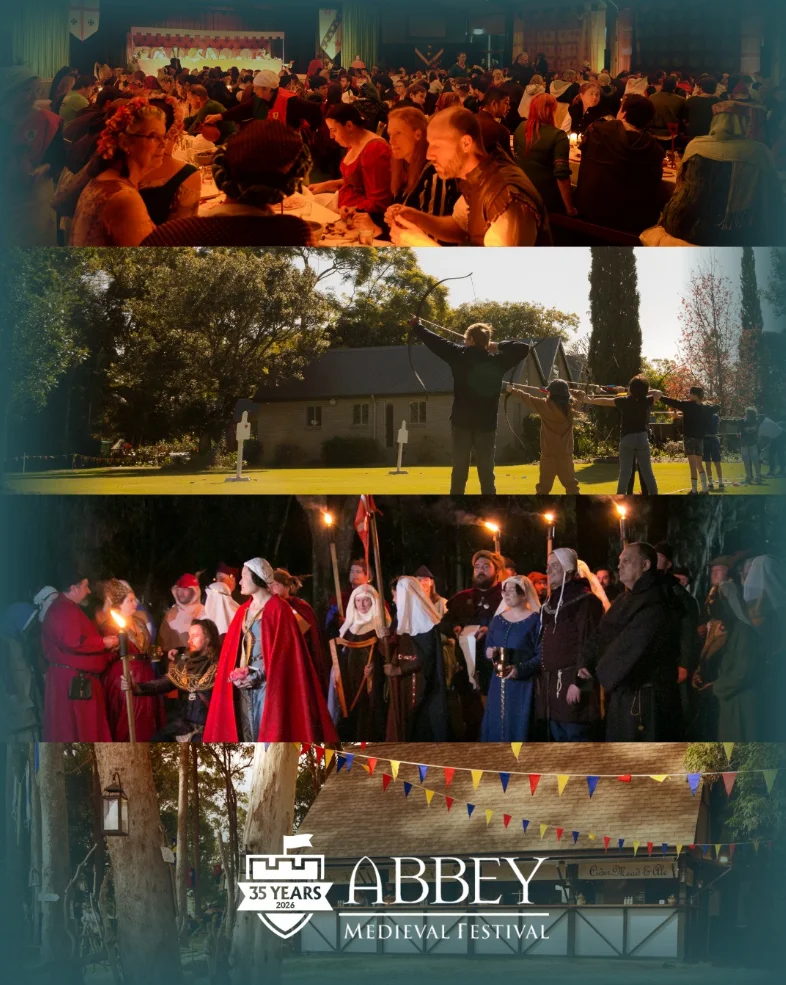
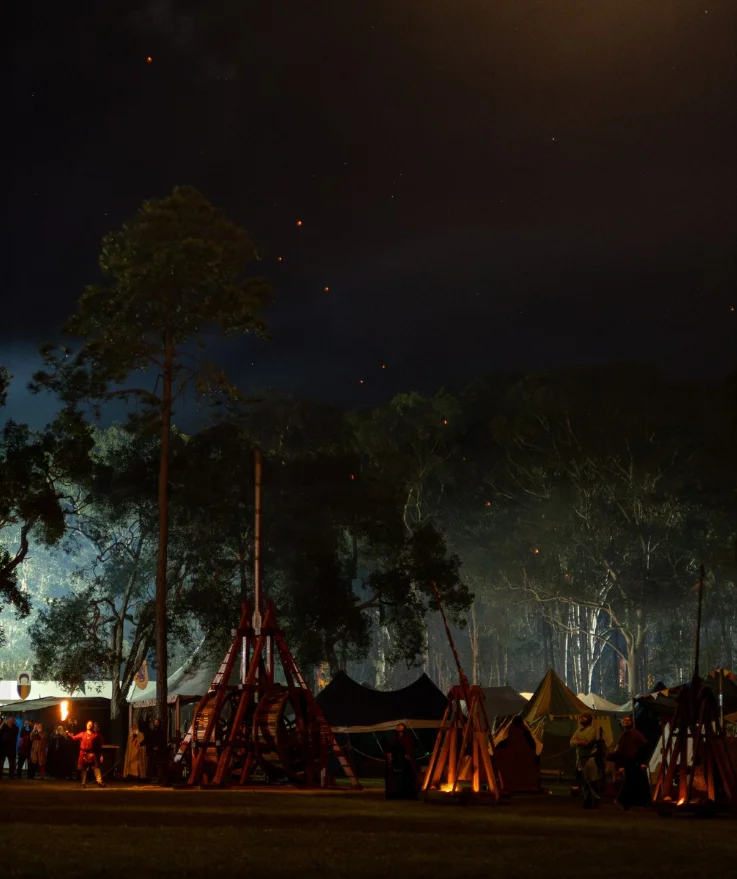
The Abbey Medieval Festival has sold out all 25,000 tickets for its 35th anniversary edition in under 12 hours, just weeks after winning gold at the national Qantas Australian Tourism Awards to be officially crowned Australia’s best festival.


The sell-out, which crashed the ticketing website under the weight of demand, caught even the organisers off guard. Events and Public Programs Manager Joel Stephens said the scale of the response was unlike anything the festival had experienced before.

“Selling out so quickly was a definite surprise,” Stephens said. “We were not expecting the huge demand we saw yesterday and a full sellout in less than 12 hours. It shows how popular and exciting the festival is.”

The ticketing platform buckled under the surge. Stephens acknowledged the team had made some improvements to the booking process before the sale opened, but the adjustments had the opposite effect to what was intended.

“It was a little bit of a perfect storm, to be honest,” he said. “We made some improvements to the process, made a few tweaks and unfortunately they backfired a little bit. But we’re constantly working to improve the systems and structure in place and deliver the smoothest experience possible to our customers.”

All tickets, including Saturday, Sunday and the Friday Family Fun Day on 10 July, are now fully sold out. No further tickets will be made available. Organisers recommend using the official resale partner Tixel for those seeking returned tickets. 

From Queensland Gold to National Champion

The sell-out arrives at the peak of a remarkable run for the festival. In November 2025, the Abbey Medieval Festival took gold at the Queensland Tourism Industry Council Awards in the Festivals and Events category, becoming the state’s nominee for the national competition.

Then in March 2026, it went all the way, winning gold at the prestigious Qantas Australian Tourism Awards, beating more than 170 finalists across 26 categories to be recognised as Australia’s best festival. Perth’s Subi Blooms x Gather festival took silver, while South Australia’s Streaky Sounds Music Festival claimed bronze.

Stephens said the national result caught the team just as off guard as the ticket sell-out.

“We won the Queensland Tourism Industry award late last year which put us in the running for the national awards and were not expecting to take that out,” he said. “So we’re really honoured the judges looked at the festival we offer and had the same feeling the public does.”

The award recognised not just the scale of the event but the effort behind it. The festival runs with more than 300 volunteers and draws more than 1,000 reenactors, performers and speciality stallholders to Abbeystowe each July.

What July 10-12 Holds for Ticket Holders

For the 25,000 people heading to Caboolture on 10, 11 and 12 July, the 35th anniversary edition promises everything that has made the festival a national landmark event, with the added weight of a milestone year.

The festival spans approximately 600 to 1600AD in European and Middle Eastern history, and the programme brings that breadth to life across three days. The Moreton Bay Medieval Joust Championship, where Australia’s top jousters compete at speeds of 30 kilometres per hour, runs three sessions on both Saturday and Sunday, with the grand final on Sunday at 3pm to crown the new champion.

Knight combat, Turkish oil wrestling, archery, Birds of Prey demonstrations, storytelling, period music, traditional dancing and interactive encampment activities fill out the programme across the weekend.

The Friday Family Fun Day on 10 July is the festival’s sensory-friendly day, designed to welcome visitors who have challenges with learning, communication, understanding and behaviour, including people with autism, intellectual disability, Down syndrome and acquired brain injury. The Knighting Ceremony on Friday is a separate, strictly limited ticketed event.

Kids Kingdom, a dedicated children’s activity area, operates on Friday and Saturday. On Sunday, the space transitions to the University Pavilion, with a schedule of presentations.

A New Festival Is Coming in September

The Abbey Museum is not stopping at July. Stephens confirmed the team is also developing a brand-new event: the Abbey History Festival, locked in for 26 and 27 September 2026.

“Our main festival does have a limit on the timeline in terms of the Middle Ages, so we’re looking to launch the Abbey History Festival,” he said. “This will bring a broader timeline of re-enactments, culture and food to our Abbey Precinct helping us celebrate 40 years of the Abbey Museum, which is what all this goes to support.”

The Abbey Museum of Art and Archaeology, which the festival exists to support, holds one of Australia’s most significant collections of medieval and ancient artefacts, including rare examples of European, Asian and Pacific material culture.

Getting to Abbeystowe

The festival is located at 1-63 The Abbey Place, Caboolture, off Old Toorbul Point Road. A free shuttle bus service operates every 30 minutes from Caboolture train station from 7.45am on both Saturday and Sunday.

Paid parking passes at $11 per vehicle are required for Saturday and Sunday on-site parking, with proceeds supporting the Wamuran Progress Society. Free parking is available on the existing site on Friday. A disability car park is available for permit holders, located approximately 250 metres from the front gate.

Festival ticket holders can also use their ticket for one free entry to the Abbey Museum before 30 September 2026. For more information, visit abbeymedievalfestival.com or contact the Abbey Museum on (07) 5495 1652.


Published 24-April-2026

Featured Image Credit: Abbey Medieval Festival

Caboolture Crash Claims Life Of Three-Year-Old Girl During Evening Walk

A three-year-old girl has died after being struck by a ute while walking with her family in Caboolture, with investigations continuing into the fatal traffic incident.


Evening Walk Ends In Fatal Caboolture Crash

The incident occurred on 21 April near the intersection of Lynfield Drive and Toohey Street in Caboolture. The child was walking with her mother, grandmother and younger brother when, at approximately 6:47 pm, a Nissan Navara utility turning right from Lynfield Drive onto Toohey Street struck her.

Paramedics attended and treated the girl for critical injuries, however she died at the scene.

Family Seen Moments Before Collision

In the minutes before the incident, the family had been walking home from daycare along the road. CCTV footage captured the group shortly before the collision, showing an adult walking with the child and another woman pushing a stroller.

Two women and a male toddler were later transported to Caboolture Hospital in stable condition, experiencing emotional distress.

Caboolture crash
Photo Credit: QPS/Facebook

Driver Assisting Investigation In Caboolture

The driver of the ute, a 49-year-old Caboolture woman, remained at the scene and is assisting police. The Forensic Crash Unit is investigating the circumstances surrounding the collision.

Investigators are examining the events leading up to the incident, including movements in the moments before impact. Police have urged anyone with relevant CCTV or dashcam footage from the area to come forward.

Tributes Mark Scene In Caboolture

Flowers and a small teddy bear have been placed at the site following the incident. The child has been described as affectionate and full of energy, with her loss reflected in tributes left at the location.

Investigation Continues After Caboolture Fatality


Investigations remain ongoing as authorities work to establish how the collision occurred. Police continue to appeal for information that may assist in clarifying the circumstances surrounding the fatal crash in Caboolture.

Published 23-Apr-2026

Photo Credit: QPS/Facebook

The Railway That Helped Shape Caboolture’s ANZAC Roots

Most people know Caboolture today as one of South East Queensland’s busiest and fastest-growing communities. But long before housing estates and busy roads arrived, Caboolture was a quiet farming district built around a railway line — a line that would become deeply connected to the region’s wartime history. That connection still runs through the suburb today.

In the early 1900s, Caboolture sat along the North Coast rail line, one of Queensland’s most important transport corridors. Trains carried dairy produce, livestock and supplies south to Brisbane, while also linking regional communities across the state.

During wartime, those same tracks carried young men leaving for service. Historical records archived show ANZAC Day commemorations taking place in Caboolture as early as the 1920s, revealing how closely the district identified with remembrance and military service even a century ago.

At the time, Caboolture was still a rural settlement surrounded by dairy farms and small agricultural properties. Families depended on the land, and the railway station formed the centre of community life.

When troop trains passed through, residents gathered along the platform to farewell local servicemen. Fruit, cigarettes and handwritten notes were passed through carriage windows as trains prepared to leave.

Girls’ patriotic tableau at Caboolture during World War 1, holding aloft various flags and the letters spelling ‘Fighting for liberty’. One girl sits in the centre of the group representing the allegorical figure of Liberty. Photo credit: State Library of Queensland

By 1916, the impact of the First World War was already being felt across the district. Short notices published in newspapers quietly recorded the names of local men killed or wounded overseas. Behind each line was a farming family suddenly missing a son, a brother or a worker. The war changed everyday life in ways that extended far beyond the battlefield.

A notice published at the time shows how that loss was recorded. Photo Credit: Trove

Life Along the Rail Corridor

Caboolture’s railway line did more than move people — it helped shape the entire district. The farms surrounding the town supplied Brisbane with milk, produce and other essentials during the early decades of the 20th century. The rail corridor allowed rural communities like Caboolture to remain connected to the growing capital.

In the years after World War I and World War II, returned servicemen across Queensland were encouraged to rebuild their lives through farming and rural settlement programs.

Farm in Upper Caboolture Photo Credit: Public domain/State Library of Queensland

Nearby districts such as Beerburrum became associated with agricultural training and settlement schemes designed to help veterans transition back into civilian life.

Caboolture also played a role in maintaining wartime morale. Community events, patriotic fundraisers and public gatherings became common throughout the war years. One striking historical photograph preserved by the State Library of Queensland shows local girls during World War I standing beneath banners spelling out the words “Fighting for liberty”, reflecting how deeply the war effort touched even small rural towns.

During World War II, the region again became strategically important. Troops stationed near Caboolture helped construct temporary river crossings and transport infrastructure used to move men and supplies through Queensland during the later stages of the war.

Troops constructing a river crossing in Caboolture for the transport of men and materials, 1945. Photo Credit: Australian War Memorial

A History Still Running Through the Town

Although modern Caboolture looks very different from the farming district it once was, parts of that history remain surprisingly visible.

The same railway corridor that once carried produce and servicemen still cuts through the suburb today, continuing to connect Caboolture with Brisbane and regional Queensland.

Many of the district’s old farming areas have gradually transformed into residential neighbourhoods, but the town’s identity continues to reflect the same foundations that shaped it generations ago — movement, connection and community.

Caboolture’s ANZAC story is therefore not just about memorials or ceremonies. It is woven into the district itself: into the rail line, the farms, the wartime farewells and the generations of local families whose lives were shaped by service and sacrifice.

Published 23-April-2026

Smoke Drifts Across Moreton Bay as Planned Burn-Offs Begin

Residents across Moreton Bay are waking to smoke drifting over suburbs as planned burn-offs begin across bushland areas, with fire crews lighting controlled fires to reduce the threat of bushfires before peak season. From Bribie Island to Upper Caboolture, these managed burns are already affecting nearby communities, with smoke expected to hang in the air for days even after flames are extinguished.


The burns began with activity recorded around April 15 and continuing through April 16, according to local authorities. Crews carried out operations in areas including Bribie Island, particularly near Mermaid Lagoon, as well as Upper Caboolture, while new sites such as Albany Creek were scheduled to follow as conditions allowed.

Smoke spreads beyond burn zones into nearby suburbs

While the fires are controlled, the effects are not limited to the burn sites themselves. Smoke from operations near Banksia Beach has been reported drifting into nearby areas such as Toorbul and Sandstone Point, affecting visibility and air quality. Authorities have advised residents, especially those with respiratory conditions, to stay indoors and keep windows and doors closed when smoke is present.

Even after a burn is completed, crews continue to patrol and monitor the area for several days to ensure the fire remains contained. This means some suburbs may continue to experience smoke or restricted access beyond the initial burn period.

Photo Credit: City of Moreton Bay/YouTube

Moreton Bay hazard reduction burns: affected suburbs and status

Suburb / AreaBurn StatusCommunity Impact
Bribie Island (Banksia Beach)Completed / RecentSmoke lingering, monitoring ongoing
Upper CabooltureCompleted / RecentPossible residual smoke, patrols in place
Albany CreekScheduled / Likely underwayPossible smoke if conditions met
ToorbulIndirect impactSmoke drift reported from nearby burns
Sandstone PointIndirect impactSmoke drift affecting area
BellaraPlannedFuture burn, timing dependent on weather
BurpengaryPlannedFuture burn, no fixed schedule
CaboolturePlannedFuture burn, no fixed schedule
Deception BayPlannedFuture burn, no fixed schedule
GriffinPlannedFuture burn, no fixed schedule
Mount GloriousPlannedFuture burn in bushland areas
NingiPlannedFuture burn, timing to be confirmed
WhitesidePlannedFuture burn, no fixed schedule
WoodfordPlannedFuture burn, rural bushland areas

No fixed schedule as weather dictates next burns

Although more than a dozen additional burn sites have been identified across Moreton Bay, including Burpengary, Deception Bay, Griffin and Woodford, there is no set timetable for when each location will be treated. Authorities rely on specific weather and environmental conditions before lighting any fire, meaning plans can shift quickly.

Burn season typically runs from March to August, but officials note that operations can take place at any time of the year if conditions are safe. This flexible approach is designed to ensure each burn can be carried out with minimal risk to surrounding communities.

Balancing fire prevention with environmental care

Officials say the burns play a key role in reducing fuel loads such as dry leaves and fallen branches, which can feed dangerous bushfires during hotter months. At the same time, the process is managed to protect local wildlife and vegetation.

Before each burn, teams assess the site to identify sensitive habitats and species. Measures such as clearing around trees and monitoring wildlife during the burn are put in place. The use of aerial incendiary drones has also been introduced to help crews ignite fires more precisely, particularly in hard-to-reach terrain.

Authorities say these planned burns also support the natural cycle of some native plants, which rely on fire or smoke to trigger growth and seed release, helping maintain the region’s biodiversity.


Published 20-April-2026
Featured Image Credit: City of Moreton Bay/YouTube

St Eugene College Students Raise More Than $8,000 for Charity, Living Out Their Patron’s Easter Mission

Students at St Eugene College in Burpengary raised more than $8,000 for Caritas Australia’s Project Compassion this Easter, living out the legacy of their patron saint through a season of fundraising, community action and a conviction that small, shared gestures can change lives for people doing it tough.


For families in Burpengary and across the Caboolture corridor who know St Eugene College as the local Catholic secondary school, the result is more than a fundraising figure. It is a demonstration of what the school’s community actually looks like when it puts its values into action.

Carrying the Mission of a Patron Saint

St Eugene de Mazenod, the French bishop who founded the Missionary Oblates of Mary Immaculate in the early nineteenth century, built his life around reaching people who had been forgotten by society. His mission was charity in the most literal sense: going out to those at the margins rather than waiting for them to arrive at the door.

St Eugene College draws its name and spirit from St Eugene de Mazenod, a French bishop who dedicated his life to those on the outer. This Easter, students brought that legacy into the present day. Rather than waiting for a call to help, the college community reached out, grounding their fundraising in the belief that belonging means looking after our global family.

Their fundraising for Project Compassion, Caritas Australia’s annual Lenten appeal, channelled that spirit directly. Project Compassion supports some of the world’s most vulnerable communities through long-term development programs across more than 100 countries. Every dollar raised by St Eugene College students this Easter connects to that work.

More Than $8,000 and the Meaning Behind It

The fundraising total of more than $8,000 reflects the kind of effort that requires genuine buy-in from students across year levels, not just a single event or a token collection tin. House initiatives spread the responsibility and the energy across the whole college, while whole-school events brought the community together around shared purpose.

The college’s aim was clear: to demonstrate that small actions, taken collectively, carry real weight. That a group of students in Burpengary can raise more than $8,000 for people experiencing poverty on the other side of the world is precisely the kind of outcome the Easter season asks communities to strive toward.

St Eugene’s efforts mirror a broader wave of generosity across Brisbane Catholic Education schools. While St Ignatius in Toowong celebrated with a hat parade and donation drives, the Burpengary community focused on the power of the “shared gesture.” As St Ignatius principal Benedict Campbell noted, this season is an invitation to walk alongside others, a call the St Eugene students answered with one of the region’s strongest fundraising tallies.

The Easter Invitation to Look Outward

What St Eugene College has done this Easter is not unusual in the context of Catholic education, but it is worth naming. Secondary school students who might otherwise spend their final weeks of term focused entirely on assignments and sport chose instead to organise, fundraise and think about people whose lives look nothing like their own.

That orientation, outward rather than inward, is at the heart of what Easter calls communities to do. Jesus’ Passion and Resurrection are not a private story; they are an invitation to respond to suffering in the world with care, generosity and action. St Eugene College’s students took that invitation seriously.

A Community Worth Being Part Of

For Burpengary and Caboolture families with children at or approaching secondary school age, St Eugene College’s Easter effort is a window into what the school’s community culture looks like day to day. Schools that raise more than $8,000 for Caritas in a single term do not do so by accident. They do so because the values are embedded, the teachers model them and the students feel genuinely connected to something larger than themselves.

That is the kind of school community that forms more than just exam results.

More information about St Eugene College, Burpengary is available through the Brisbane Catholic Education website at bne.catholic.edu.au.


Published 8-April-2026

Featured Image Credit: St Eugene College/Facebook

Ancient Caboolture Earthquake Sheds Light on Future Disaster Planning


A powerful earthquake that struck near Caboolture tens of thousands of years ago is now helping researchers and local authorities understand how a similar event today could affect homes, roads and essential services across the region.


Researchers from the University of Melbourne, working with City of Moreton Bay, have been studying a fault line west of Caboolture believed to have produced a quake of magnitude 6.5 or higher between 20,000 and 35,000 years ago. Their work combines aerial mapping and on-ground excavation to better understand the scale and impact of that ancient event.

Mapping the past to prepare for the future

The project uses LiDAR, a laser-based mapping system, to scan the landscape and detect subtle changes in the ground that point to past earthquakes. These scans help identify where the earth’s surface may have split during earlier seismic activity and where similar breaks could occur again.

Scientists then dug trenches across the fault line to examine layers of soil and sediment. This tells what has been shifted or left undisturbed, so that the experts can estimate when the earthquake occurred, how strong it was and how far the ground moved. This process, often described by researchers as geological detective work, helps build a clearer picture of earthquake risks in the region.

Findings from these tests are now being analysed, with results expected to confirm earlier mapping and refine estimates of the quake’s timing and size.

Where the fault runs

Geological mapping helps show where the fault sits in relation to the Caboolture district and the North Pine Dam area.

The first map, from the Caboolture 1:100,000 Geology Map Compilation 2014, covers places named on the extract, including Caboolture, Bracalba and Bellmere. The second map, from the Esk 1:100,000 Geology Map Compilation 2014, covers the North Pine Dam, Mount Samson and Clear Mountain area.

Photo Credit: QLD Geoscience Data

These maps do not prove the age or size of a single earthquake on their own, but they do help locals see where mapped fault traces run across the landscape and how those traces relate to surrounding rock and sediment units. It can add to the understanding of why scientists are focusing on this part of South East Queensland. 

Understanding the risks for growing communities

While earthquakes are less common in Queensland than in other parts of the world, they are still considered a natural hazard. State-level risk assessments place earthquakes among the lower-tier risks, but experts warn that even a moderate event can cause serious damage, especially in growing urban areas.

Local officials say understanding the Caboolture fault will help guide future planning decisions, including how infrastructure is built and how emergency services respond. The data is also being shared with agencies such as the Queensland Fire Department and utility providers to improve preparedness.

No written history, but a geological record

Because the earthquake occurred long before recorded history, there are no human accounts of the event. Instead, the story is preserved in the land itself through fault scarps and disturbed sediment layers.

National data from Geoscience Australia shows that hundreds of similar features exist across the country, each marking evidence of prehistoric earthquakes. These features are key to understanding where future seismic activity may occur.

In South East Queensland, several fault scarps have been identified in recent years, reinforcing the need for ongoing research in areas not traditionally known for earthquakes.

Building a clearer risk picture

Researchers involved in the Caboolture study say combining mapping, trenching and dating techniques allows them to create realistic scenarios of how a future earthquake might unfold. This includes modelling ground movement, potential damage zones and the likely impact on infrastructure.


This information is valuable in shaping building standards, land-use planning and disaster response strategies. It also supports long-term efforts to ensure communities are better prepared for low-frequency but high-impact events.

Published 15-April-2026
Featured Image Credit: City of Moreton Bay
Rail Closures Stretch Commutes and Patience on Brisbane’s Northern Line

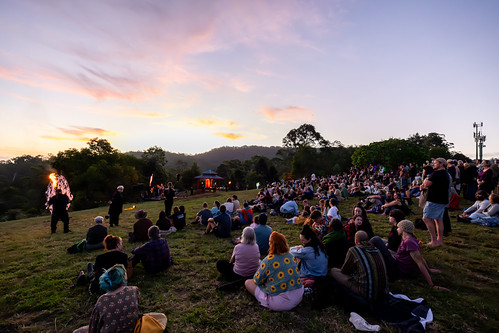
Commuters travelling from Caboolture, Morayfield and Burpengary into Brisbane faced severely disrupted journeys from April 10, with buses replacing trains on their line for the first three days of the closure period and replacement services struggling to keep pace with the volume of passengers turning up at transfer points.


For those who make the daily journey from the Caboolture corridor into the city, this week was a sharp reminder of just how much their commute depends on a functioning rail connection, and what happens when that connection breaks down without adequate contingency in place.

What Happened at the Transfer Points

Joanne McCarthy’s experience on April 10 captures what many Caboolture commuters faced that morning. Her journey from Caboolture to Roma Street, which normally takes one hour, stretched to two and a half hours. Passengers were directed off trains at Geebung, where a line of hundreds of people was already waiting on the rail bridge before 7am.

Commuters left stranded due to rail closures
Photo Credit: Translink

“There were no buses there waiting for us,” McCarthy said. She waited 45 minutes in the heat before boarding a bus, with no information coming through about when services would arrive or what was happening.

“We had no communication whatsoever about what was happening. I was thinking about jumping in an Uber, but you couldn’t even get to the front of the line to get down the stairs to get an Uber.”

That experience, of being stranded mid-journey with no information and no clear path forward, was repeated across dozens of commuters redirected from the northern corridor into the Geebung and Northgate bus replacement queues.

Why the Queues Got So Bad

Thompson Bus Services, contracted to run replacement buses across southeast Queensland, was caught off guard by the volume of passengers. Demand surged 50 per cent above what the company had anticipated, and the result was queues that stretched 300 metres at the worst points and 45-minute waits just to board.

Photo Credit: Thompson Bus Services

By Monday afternoon, 10 additional services had been scheduled for the evening peak, and further services were added for Tuesday morning. Founder Jeanie Thompson acknowledged the shortfall directly.

Translink orders the buses and we provide them, there was a lot more people than they originally thought,” she said. “We were caught out a bit on Monday morning.”

The company brought in 100 buses from interstate and mobilised every available bus in the southeast corner. At peak, it was coordinating 600 bus driver shifts a day across roughly 300 buses, and was still advertising for additional drivers and customer service staff during the disruption period.

Photo Credit: epifrenetic/Reddit

The comparison with normal service gives the scale of the problem context. Rail replacement buses on the affected northern corridor arrived roughly every eight minutes. In a normal morning peak, the combined rail network funnels a train through the inner-north corridor every three minutes. That gap, from three-minute frequency to eight-minute frequency, multiplied across a network handling thousands of passengers, produced the queues that Caboolture commuters found themselves joining at transfer points.

The Caboolture Line Schedule: What Changed and When

For Caboolture, Morayfield and Burpengary commuters, the schedule tells the specific story. Buses replaced trains between Gympie North and Caboolture on April 10, 11 and 12. From April 13, Sunshine Coast line trains resumed running between Gympie North and Caboolture, meaning that the direct northern leg of the journey returned to rail on that date.

The transfer problem, however, persisted. Even with the northern leg back on rail, commuters still faced the disruption zone between Northgate and Bowen Hills, which continued through to April 16 before reopening. Getting from Caboolture into the city still required navigating a transfer, and those transfers remained subject to the delays and queuing that defined the first week of closures.

The broader network picture extends further. Disruptions on the Beenleigh and Gold Coast lines continue through April 30, and the southern inner gap between Banoon and Boggo Road remains in place for the same period. For commuters whose journeys connect across these corridors, the impact stretches well beyond the initial week.

The Bigger Picture for Northern Corridor Commuters

South East Queensland Transport Association founder Imogen Buckley described the scenes at replacement bus stops as damaging to public transport’s reputation at exactly the wrong moment.

“The fact that there are commuters waiting on the platform for a line that stretches outside of the station, it’s embarrassing; it makes public transport look terrible,” she said.

Buckley was clear that the track closures themselves were a necessary part of maintaining and improving the network. “We need better infrastructure so we can have less track closures in the future and have a frequent and reliable network,” she said. The problem was not the decision to close tracks for maintenance, but the failure to deploy enough replacement capacity to make the disruption manageable for the people who had no other choice but to show up and wait.

Checking Before You Travel

For Caboolture, Morayfield and Burpengary commuters still navigating the remainder of April, the most practical step is to check the full closure schedule before each journey. The schedule table below reflects the verified travel changes as published:

April 10 to 12: Buses replaced trains between Gympie North and Caboolture, and between Northgate and Bowen Hills. From April 13, the northern leg between Gympie North and Caboolture returned to rail service. Disruptions between Northgate, Bowen Hills and the southern lines continue in various forms through April 30.

Up-to-date service information is available through the Translink journey planner at translink.com.au or via the Translink app.


Published 14-April-2026

Featured Image Credit: Charis Mullen MP/Facebook

Caboolture Construction Begins on New Rugby League Clubhouse

Construction has begun in Caboolture on a new rugby league clubhouse, replacing ageing facilities at the home of the Caboolture Snakes.


Caboolture Clubhouse Build Gets Underway

Work is now underway on a new clubhouse that will replace the existing structure used by local rugby league players in Caboolture. The redevelopment is set to deliver updated facilities for around 2,000 players who use the grounds each year, along with families, volunteers and spectators.

The project focuses on improving the functionality of the site, with modern amenities designed to better support day-to-day use across the grounds.

Caboolture clubhouse construction
Photo Credit: City of Moreton Bay/Facebook

New Facilities To Support Shared Use

The redevelopment will be delivered in two stages and will introduce a range of new and upgraded features across the site. These include new club offices, modern change rooms with accessible and female-friendly design, and upgraded public amenities.

A kitchen and canteen will also form part of the new clubhouse, alongside tiered outdoor seating to accommodate spectators. Upgrades to water and sewer infrastructure are also included, supporting future precinct growth.

The improvements extend beyond rugby league, with other sporting groups sharing the precinct, including table tennis and boxing, set to benefit from the updated facilities.

Caboolture Snakes
Photo Credit: City of Moreton Bay/Facebook

Two-Stage Timeline Set For Completion

The build will progress in two phases, with the first stage scheduled for completion in mid-2027. The second stage is expected to follow, with overall completion targeted for mid-2028.

This staged delivery will see the new facilities introduced progressively as construction continues across the site.

Funding Supports Caboolture Upgrade

The redevelopment represents a $14.5 million project supporting the upgrade of the Caboolture rugby league facilities, with funding contributions allocated to deliver the new clubhouse and associated infrastructure.


Once complete, the site will provide updated amenities for rugby league and other clubs sharing the precinct, aligning with the needs of players, volunteers and spectators who regularly use the grounds.

Published 12-Apr-2026

Photo Credit: City of Moreton Bay/Facebook

Caboolture Mum Sarah Gutzke Lands National Kmart Campaign After TikTok Catches the Brand’s Eye

Caboolture mother-of-two Sarah Gutzke has gone from posting everyday mum content on TikTok to appearing on national billboards, after Kmart spotted her social media presence and invited her to front its March Apparel campaign.


Sarah, who works as Head of People and Culture at Ray White Caboolture and grew up in Moorina before settling in Caboolture, was one of just eight real Kmart customers selected from across Australia to model the brand’s new womenswear range. Her face appeared on billboards and digital marketing displays nationwide from 16 March as part of a campaign that deliberately turned away from professional models in favour of the community that wears the brand every day.

The TikTok Posts That Started It All

Sarah did not set out to build a platform or land a modelling gig. When she was on maternity leave with her second baby, she started posting on TikTok as a creative outlet, sharing everyday life as a new mum alongside her love of colourful fashion. Kmart hauls, shopping trips and outfit content filled her feed, all of it genuine and unsponsored.

@sarahgutzke

A little goodie bag for some of the crew I work with to say thank ya for everything ☀️🫶🏻 and yes I have temporarily blocked some people so they don’t see this hehe 🤭💛 but actually let’s be serious for a minute, admin and receptionist are often the forgotten heroes of a business. They keep the wheels turning and always show up and drive the ship. So grateful for them ❤️ #thankyougift #appreciationgift #kmart #kmartgifts #kmartfinds

♬ original sound – sarahgutzke

“I created some Kmart related videos like hauls, shopping trips etc and they found me through that,” she said. The TikTok posts caught the attention of Kmart’s marketing team, who reached out with an invitation to be part of something considerably larger than anything Sarah had previously done.

“I have never done anything like that before but thought it would be a fun opportunity to be a part of and enjoy doing things outside of my comfort zone,” she said.

What the Campaign Involved

Kmart’s March Apparel campaign launched nationally from 16 March 2026, with eight real customers featured across billboards and digital displays around the country. The campaign grew out of the #GetReadyWithKmart movement, which had been building momentum on social media from 12 March, and was built around the idea of putting genuine customers, not professional models, at the centre of its fashion marketing.

Photo Credit: Wikipedia

Rennie Freer, GM of Marketing for Kmart, said the decision to feature real shoppers came directly from what the brand was already seeing online. “When we saw the incredible creativity customers were sharing across social media, we knew we had to turn the camera back on them,” she said. “We’re proudly shining the spotlight directly on our customers, celebrating our community and the unique ways they make every trend their own.”

For Sarah, the photoshoot itself brought its share of nerves. “They are great. It was a really fun experience and my little claim to fame that I get to be a part of a Kmart campaign,” she said. “All of my friends and family have been so excited for me, which is so nice!”

Back to Real Estate and Everyday Life

Despite the national exposure the campaign has brought, Sarah has no plans to pivot into modelling. Her focus remains firmly on her career in real estate and her life as a mum, with content creation continuing as a creative side project.

Sarah is currently working as a real estate agent for Ray White Caboolture
Photo Credit: Ray White Caboolture

“I love real estate and will stick with that career, along with being a mum and a content creator on the side!” she said.

The campaign has, however, opened doors beyond the Kmart collaboration. Sarah said the experience had created opportunities to work with other brands she genuinely uses, a natural extension of the authentic content approach that caught Kmart’s attention in the first place.

Sarah can be followed on TikTok at @sarahgutzke.


Published 7-April-2026

Featured Image Credit: Ray White Caboolture

Beachmere Boaters Caught Off Guard by Tiny Stowaway at Sea

A routine day on the water took a sharp turn for Beachmere boaters when a sugar glider emerged from the folds of a sail in the middle of Moreton Bay, turning a simple trip into a rescue story with a very local heart.


The incident happened in late March 2026, after the couple had left the Caboolture River and headed into the bay, unaware they had a sleeping stowaway onboard. The tiny marsupial, a native animal better known for gliding between trees than riding on yachts, only appeared once the sails were opened and the boat was already well out on the water.

A Startling Discovery Above Deck

One of the boat owners was at the helm when she spotted movement and saw the sugar glider poke its head out. In that instant, the calm of the trip gave way to surprise. She later said the fright seemed to be shared by both human and animal. Her husband checked the sail and rigging and quickly realised they were dealing with an unplanned passenger.

The boat was already out in Moreton Bay, and the tides meant there was no simple way to turn around and head straight back. Instead, the couple had to think fast and call Wildlife Rescue Queensland, a group familiar with the region and its wildlife emergencies.

A Bay-Side Stand-Off

What followed was less a straight rescue than a small stand-off between a determined glider and equally determined people trying to help it. After anchoring near Moreton Island, the group tried to contain the animal with towels and a pillowcase. Each time they got close, the glider darted away and scrambled up the rigging, staying just out of reach.

The scene had all the ingredients of a strange bay-side drama: open water, a restless native animal, and a handful of people trying to do the right thing without making matters worse. After a hard effort, they finally secured the glider and arranged for it to be collected by staff from Tangalooma Island Resort, which has facilities for wildlife care on the island.

Photo Credit: Wildlife Rescue Queensland

From Boat Sail to Wildlife Care

The sugar glider spent the night at the resort before being taken by ferry back to the mainland, where Wildlife Rescue Queensland staff were waiting to move it on for assessment. By then, the story had already become one of those rare local episodes that feels both unusual and deeply familiar in coastal Queensland, where wildlife can appear in the most unexpected places.

Veterinary staff found the glider to be in strong condition and notably well-fed. Rescuers even considered whether its size pointed to a different species at first. They later identified it as a mature male sugar glider, which added another layer to the story, because adult males are usually part of a group rather than on their own.

Photo Credit: Wildlife Rescue Queensland

The animal was nicknamed Wilson, a nod to its accidental adventure away from home. Soon after, it was released back in Beachmere, close to where the boat had been docked, giving it the best chance of returning to known habitat.

Wildlife groups say sugar gliders normally spend their days asleep in tree hollows and live in family groups. They also note that habitat loss and tree removal can disrupt those patterns, leaving animals displaced and searching for the next safe place they can find. In this case, that place may simply have been the wrong one at the wrong time.


Published 6-April-2026