



Bribie Island Duo Proves Lightning Strikes Twice

A Bribie Island couple has redefined the meaning of luck by securing a massive $4.8 million windfall that will pay them $20,000 every month for the next two decades.


A Life Changing Commute

Bribie Island
Photo Credit: Supplied
The local husband and wife were simply heading off to start another day of work on Tuesday, 24 March 2026, when they realised their lives had changed forever. While many people dream of winning the lottery once, this pair had already experienced a smaller brush with fortune a few years ago. In a rare twist of fate, they previously won a second-division prize in the same Set for Life game, which granted them $5,000 a month for a full year.

Despite that earlier win, the husband admitted he nearly missed the news of this much larger jackpot because he initially thought his ticket was only worth a few dollars.

Hard Work Meets Good Fortune

Bribie Island
Photo Credit: Supplied

The couple is well-known for their strong work ethic and their habit of helping others in the community before looking after themselves. Upon hearing the news from lottery officials, the winning husband had to step out of his car to catch his breath and calm his nerves. 

He mentioned that the win felt like a reward for years of labour and a selfless lifestyle. His wife was equally overwhelmed, noting that things had been difficult lately and that the steady stream of income would finally allow them to stop working and enjoy a well-earned retirement.


National Luck and Local Impact

This win represents a significant moment for the Queensland region, as the Bribie Island entry was the only one in the entire country to take home the division one prize for this specific draw. The winning numbers that changed their lives were 28, 7, 5, 36, 43, 17, and 33. This latest win adds to a successful year for the state, marking the tenth time someone has hit the top prize in this game during the current financial year. Beyond individual winners, these national games contribute a large amount of funding back into the public, supporting hospitals and local disaster relief efforts across the country.

Published Date 31-March-2026

Photo Credit: Pexels

Secret History of Bribie Island: The Man Who Taught Flinders How to Talk to the Coast

Did you know that the first Australian-born person to sail around Australia was an Aboriginal man named Bungaree (aka Bongaree or Boongaree),  who is now immortalised in a bronze sculpture at the Seaside Museum on Bribie Island?


 A Meeting of Two Worlds

Bribie Island
Photo Credit: Bribie Island Historical Society

The shoreline of the Pumicestone Passage serves as the backdrop for a story of friendship and shared discovery. While British navigator Matthew Flinders is a household name in maritime history, the presence of Bnugaree at his side was essential to the success of their voyages. 

The two men first met while working on a ship headed for Norfolk Island, where Flinders noticed Bungaree’s quick mind and skills. This connection led to a partnership that changed how the world viewed the Australian coastline.

The Journey to Bribie Island

The pair arrived at the beach now known as Bongaree after sailing from Sydney on a small 25-tonne boat called the Norfolk. This landing was a significant moment for the local area, marking one of the earliest recorded meetings between European explorers and the Traditional Owners of the region. 

Bungaree was much more than a passenger on these trips. He acted as a skilled diplomat who could talk to different Aboriginal groups they met along the way, helping to keep the peace and gather information despite the many different languages spoken across the coast.

Mapping the Continent

Bungaree, a native of N.S.Wales, lithograph, hand-coloured with watercolour, on paper by Augustus Earl
Photo Credit: Australian Museum

Because of his success on earlier trips, Flinders relied on Bungaree again for his most famous voyage. From their departure until their return, they worked together aboard the HMS Investigator to map parts of the Australian coastline that were previously unknown to Europeans.

Bungaree’s role as an intermediary remained vital, and he later continued this work by joining other explorers, such as Phillip Parker King, on journeys to the north-western parts of the country. These expeditions proved that his maritime and social skills were respected by many of the era’s leading navigators.

Bringing History to Life

The Bribie Island Historical Society worked to ensure that Bungaree received equal recognition next to Flinders. For a long time, there were many signs and stories about the English explorer but very few visual reminders of the man the local suburb is actually named after. 

The community-funded project resulted in a detailed artwork located outside the Bribie Island Seaside Museum. It shows Bungaree pointing toward the horizon while Flinders prepares to look through a telescope. Even Trim, the famous ship’s cat who travelled with them, is included in the scene.


A Lasting Local Legacy

The project involved local elders from the Kabi Kabi and Joondoburri people, along with descendants of Bungaree’s family, to make sure the tribute was respectful and accurate. The Historical Society spent years researching and saving funds to complete the work, viewing it as a necessary step to fill a gap in the island’s recorded history. 

By placing these figures together, the community has created a space where people can reflect on the teamwork required to map the continent and the deep connection Bungaree had to the sea.

Published Date 31-March-2026

Photo Credit: Moreton Bay Region Libraries/Archer, Geoff

Short-Term Rail Disruptions to Affect Caboolture, Redcliffe and Shorncliffe

Residents in Caboolture, Redcliffe and Shorncliffe are set to experience short-term but widespread rail disruptions, with train services suspended across key northern lines during early April as part of major network works across South East Queensland.


From April 3 to April 11, multiple train lines including the Sunshine Coast, Caboolture, Redcliffe Peninsula and Shorncliffe lines will be impacted while large-scale infrastructure works are carried out across the rail corridor. During this period, rail replacement buses will operate to keep passengers moving.

Northern lines affected in early April

The closures are part of a coordinated shutdown across the network to allow several major rail projects and maintenance works to be completed at the same time. These include Cross River Rail supporting works, upgrades on the Sunshine Coast line, improvements to the Logan and Gold Coast corridor, new digital signalling systems and general track maintenance.

While the disruptions on the northern lines are shorter than those affecting the southside, they will still impact daily commutes for thousands of passengers travelling between outer suburbs and Brisbane’s CBD.

Photo Credit: Wikipedia/CC BY-SA 3.0

Longer travel time for commuters

For commuters in Caboolture, Redcliffe and Shorncliffe, the changes will mean replacing train journeys with buses for several days in early April. This is likely to result in longer travel times and possible transfers depending on the route.

Transport authorities have advised that both express and all-stops rail replacement buses will be available, along with regular bus services. In some cases, regular bus routes may provide a more direct option for passengers heading into the city.

DatesLines ImpactedWhat It Means for You
3–11 AprilCaboolture, Redcliffe, Shorncliffe and other linesTrain services replaced by buses
After 11 AprilMost northern lines return to normalServices resume, fewer disruptions

After April 11, services on these northern lines are expected to return to normal, while closures continue on other parts of the network, particularly on the southside.

Plan ahead for travel

Transport authorities are encouraging commuters to plan ahead, check journey options before travelling and allow extra time during the closure period. Changes may vary across different lines and days, so passengers are advised to stay updated through official transport channels.


Although the disruptions are limited to just over a week for northern suburbs, they form part of a broader program aimed at improving the reliability and capacity of the rail network across South East Queensland.

Published 31-March-2026

Featured Image Credit: Wikipedia/CC BY-SA 3.0

Caboolture Big Fish Coles Ranks Second in Queensland as State Cracks National Top Three for Easter Buns

Queensland has secured third place nationally in Coles’ Easter hot cross bun sales, with more than 8.5 million buns sold across the state since Boxing Day and Coles Caboolture Big Fish ranking among the top performers in Queensland, sitting just behind Carindale in the state’s store-by-store breakdown.


The figures place Queensland behind Victoria, which has sold more than 10 million buns, and New South Wales at nine million, but well clear of the other states and territories. For Caboolture and the broader Moreton Bay region, the Big Fish store’s position in the Queensland top three reflects the suburb’s status as one of southeast Queensland’s highest-volume retail destinations, drawing shoppers from across a wide northern catchment that extends from Morayfield and Narangba through to Bribie Island.

A Season That Starts at Boxing Day

The scale of Australia’s hot cross bun season has grown well beyond its traditional Easter window. Coles expects to sell more than 55 million hot cross buns nationally between Boxing Day and Easter this year, a volume sufficient to fill more than a quarter of a million shopping trolleys. That figure points to a product that has shifted from a specifically religious seasonal food into one of Australia’s most broadly observed calendar rituals, consumed across months rather than days.

Photo Credit: Google Maps

To meet that demand, Coles has used more than 568 tonnes of fruit mix across its hot cross bun range this Easter, reflecting the scale of production planning required for what the retailer’s General Manager for Bakery, Dairy and Frozen, Brad Gorman, describes as a range that begins development more than a year before it reaches shelves. The 2026 range is the biggest Coles has offered, spanning traditional fruit, chocolate, gluten free and fruit free varieties alongside a selection of limited-edition flavours.

Queensland’s Store-by-Store Battle

Within Queensland, Coles Carindale leads the state with more than 15,500 packs sold, followed by Caboolture Big Fish at more than 15,000 packs and Thornlands at more than 14,500 packs. The spread across three very different retail locations, an inner-southern Brisbane centre, a high-volume Moreton Bay destination and a Redlands suburban store, reflects the consistency of Easter bun demand across southeast Queensland’s diverse residential catchments rather than concentration in any single type of location.

Eastern bun debate settled
Photo Credit: Supplied

Caboolture Big Fish’s position in the Queensland top three is consistent with its broader retail performance. The centre sits on the Bruce Highway at Caboolture and serves one of Queensland’s fastest-growing regional populations, drawing regular shoppers from across the Moreton Bay local government area and the outer northern Brisbane corridor. That catchment, which added roughly 10,000 new residents in 2025 alone according to Sunshine Coast regional planning data, continues to support high-volume grocery sales across all categories and all seasons.

The Great Hot Cross Bun Debate, Settled

Beyond the sales volumes, Coles data has settled one of Easter’s more contested domestic questions. The microwave has overtaken the toaster as Australia’s preferred method of warming a hot cross bun, with 32 per cent of customers choosing the microwave compared with 29 per cent for the toaster. A further 25 per cent of customers bypass warming altogether, eating their buns straight from the packet.

On flavour, Australians remain firmly attached to the classics. Two in five customers, or 40 per cent, choose traditional fruit hot cross buns as their preferred variety, with chocolate chip varieties the second most popular choice across the Coles range.

A Simple Easter Tradition for Caboolture Households

It also points to the practical reality of what Easter means for Caboolture households. For families managing busy schedules across school holidays, hot cross buns are an accessible, affordable and universally enjoyed ritual, one that sits comfortably alongside the broader Easter weekend of footy, family gatherings and long lunches. The two for $6 deal on Coles Brand six-packs until 7 April makes stocking up for the long weekend easy on the grocery budget, which matters in a community where value for money consistently drives purchasing decisions.

It also points to the practical reality of what Easter means for Caboolture households. For families managing busy schedules across school holidays, hot cross buns are an accessible, affordable and universally enjoyed ritual, one that sits comfortably alongside the broader Easter weekend of footy, family gatherings and long lunches. The two for $6 deal on Coles Brand six-packs until 7 April makes stocking up for the long weekend easy on the grocery budget, which matters in a community where value for money consistently drives purchasing decisions.

A Good Time to Stock Up

Coles Brand Hot Cross Buns in a six-pack are available two for $6 until 7 April, giving Caboolture shoppers a practical window to stock up before Easter weekend. The full range, including traditional fruit, chocolate, gluten free and limited-edition varieties, is available at Coles Caboolture Big Fish and across the broader Coles network.


Published 30-March-2026

Featured Image Credit: Coles Group

Caboolture Wellness Retreats Offer Evidence-Based Resilience Coaching for Men and Women in July

A Moreton Bay woman who has twice outlived a terminal cancer diagnosis is bringing her experience of resilience and recovery to Caboolture this July, running separate two-day wellness retreats for women and men at the Rose Gardens Shangri-la on Male Road.


The retreats are the work of Liz Pickworth, a wife, mother, certified Resilience Coach, Rare Cancer Patient Advocate and founder of Sidelines Consulting and Advisory. Diagnosed with a rare stage four cancer at the age of 31 in 2018, Pickworth has since navigated multiple lines of chemotherapy and radiotherapy, two 20-hour surgeries and several terminal diagnoses, most recently a prognosis of less than six months to live in 2025. Now 38, she is channelling that lived experience into structured, evidence-based programs designed to help others face their own adversity, whatever form it takes.

The Retreats and What They Offer

The What Women Want retreat runs from 9am on Friday 11 July to 4pm on Saturday 12 July, and What Men Want follows from 9am on Friday 25 July to 4pm on Saturday 26 July. Both retreats are held at the Rose Gardens Shangri-la on Male Road in Caboolture and include glamping under the stars, a night-time band and bonfire, and all meals and drinks across the two days.

Wellness retreats on 11 July and 25 July
Photo Credit: Visit Brisbane

Each retreat is described as an evidence-based wellness, self-development and entrepreneurship program grounded in the six domains of resilience, the same framework Pickworth credits with sustaining her through her own cancer journey. The programs draw on Pickworth’s coaching qualifications and her work delivering the “Facing It” resilience program, which she runs for people navigating serious life challenges. Both retreats incorporate yoga, meditation and specialist speaker sessions across the two days.

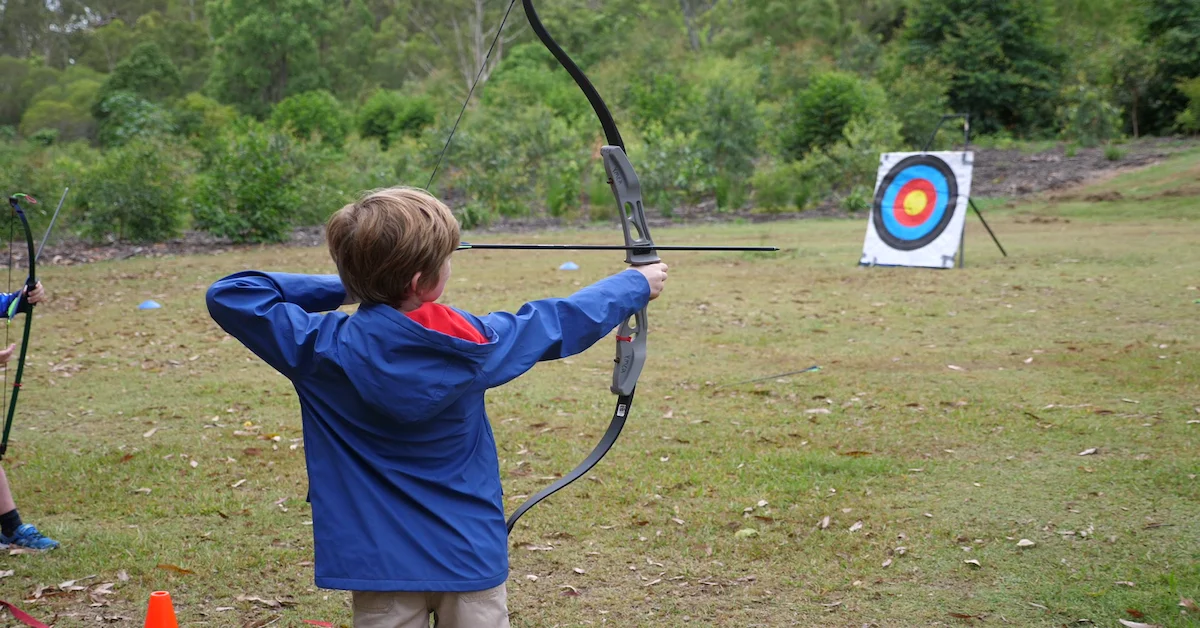
What Women Want features Larni Mailer, franchisee owner of Fernwood Fitness North Lakes and Morayfield, as a speaker alongside GP and psychologist talks and a self-defence session. What Men Want brings in Ryan Elson, founder of the Redcliffe-based charity Tribe Social Belonging, alongside relationship expert and mental health talks, archery tag and tai chi. Tribe Social Belonging, which Elson founded in 2018 after navigating a difficult personal period, now works with thousands of people each year across the Moreton Bay region with a core purpose of creating opportunity through connection. Elson’s session at the retreat, titled “How I Hit Rock Bottom and Got Back Up,” draws on his personal journey building the organisation from scratch.

A Resilience Framework Built From Experience

Pickworth’s approach to resilience coaching is grounded in personal experience rather than theory alone. Diagnosed with a rare stage four cancer at the end of 2018, she has been through multiple lines of chemotherapy and radiotherapy, multiple surgeries including a second 20-hour operation after the cancer spread to her spine, and was told in 2025 that she had less than six months to live with no standard treatment options remaining. She chose to pursue an experimental treatment and has since continued to live beyond that prognosis.

That experience now informs a practical and structured coaching methodology focused on the six domains of resilience, covering physical, psychological, emotional, social, professional and spiritual wellbeing. Pickworth describes resilience not as an innate characteristic but as a set of learnable strategies, and the retreats are designed to give participants tangible tools they can apply to their own circumstances long after the two days are over.

Why This Matters to the Caboolture Community

For the Caboolture community and the broader Moreton Bay region, the retreats offer something genuinely uncommon: a local, lived-experience-led wellness program that goes well beyond the standard conference format. The combination of professional speakers, therapeutic activities, outdoor experiences and the personal narrative at the centre of both programs reflects a considered approach to community wellbeing that meets people where they are.

The July timing, mid-winter and outside the school holiday period, makes both weekends accessible for working adults and parents looking for a focused break and meaningful personal investment. Whether attendees are navigating health challenges, career transitions, grief, isolation or simply a desire for greater resilience in daily life, both retreats are designed to provide practical support and connection in equal measure.

Tickets and further information for the What Women Want and What Men Want retreats are available here. Enquiries can be directed to Liz Pickworth by phone on 0424 794 139 or by email at liz@sidelinesconsulting.com.au.


Published 27-March-2026.

Featured Image Credit: Liz Pickworth/LinkedIn

Moreton Bay Outdoor Program Keeps Holiday Costs Low for Families

Young people across Caboolture, Burpengary, Wamuran, and Godwin Beach are being challenged to trade their digital devices for the rugged beauty of the region’s natural backyard through a massive rollout of low-cost outdoor experiences.


Affordable Ways to Stay Active

outdoor
Photo Credit: Supplied

The local council is launching a wide range of supervised activities to ensure that cost is not a barrier for families looking to keep their children busy. Most of these organised sessions are either completely free or cost as little as $5. Registration for these programs, which include everything from fishing and canoeing to hip hop dancing and target archery, officially begins on 26 March. 

By providing these options, the city aims to foster a stronger sense of community while encouraging teenagers and children to develop new physical skills in a supportive environment.

Exploring Local Trails and Tracks

outdoor
Photo Credit: Supplied

For those who prefer to explore at their own pace, the region offers a diverse system of tracks that cater to different interests and fitness levels. The Lagoon Road mountain bike trails in Burpengary provide a dedicated space for riders to test their skills on wooden berms, dirt jumps, and rollers. Those seeking a longer journey can head to the Caboolture rail trails, which stretch from the heart of town through to Wamuran, or visit the Samford rail trails for a scenic ride or walk.

Coastal enthusiasts can visit the Godwin Beach Reserve, while those closer to the suburbs can find quiet nature paths at the John Oxley Reserve in Murrumba Downs and the Kumbartcho recreation trails in Eatons Hill. Further exploration is available at the Brian Burke Reserve in Samford Valley, where diverse treks allow residents to reconnect with the environment.


Youth Week and Fitness Focus

outdoor
Photo Credit: Supplied

The upcoming school holidays also coincide with Queensland Youth Week, bringing a specific focus on health and wellbeing for older children and teenagers. Several specialised fitness sessions are planned, such as strength and conditioning classes, Zumba, and Pilates. 

One standout feature is a dedicated program for teenage girls based in Deception Bay, designed to build confidence through movement. To ensure everyone stays safe while out on the trails, visitors are reminded to stick to marked paths, carry plenty of water, and be mindful of other people sharing the tracks.

Published Date 25-March-2026

Photo Credit: Supplied

Solander Esplanade Park Set for Major Upgrade Across Banksia Beach Foreshore

The project team will upgrade the popular foreshore park at Banksia Beach along Solander Esplanade from April 2026, delivering new pathways, play equipment, seating, BBQs and relocating the Matthew Flinders monument to create more usable space for the community.


The team will deliver the project under the District Parks and Open Spaces New and Upgrade Programme and will roll it out across three stages along the Solander Esplanade corridor, with works expected to take around 16 weeks to complete, weather permitting. Banksia Beach Park is a large waterfront park along Solander Esplanade with existing facilities including a basketball half-court, barbecues, and fitness and playground equipment. The upgrade builds on those existing amenities, bringing the foreshore in line with the needs of a growing community that uses the park year-round.

The works cover a stretch of the esplanade that sits directly opposite the calm waters of Pumicestone Passage, one of the most scenic and well-used recreational corridors on Bribie Island. For Banksia Beach residents, this is the park families walk to on weekends, where children play cricket and kick a football in the open oval area, and where visitors pause at the Flinders monument to take in the views toward the Glasshouse Mountains.

Three Stages, One Transformed Foreshore

The upgrade divides the Solander Esplanade corridor into three stages, each addressing a different section of the park.

Stage 1, covering the western green at the northern end of the esplanade, involves removing a section of the existing path to open up a larger kick-and-play area, relocating the Matthew Flinders monument to a more prominent and accessible position, and installing a new footpath, bench seating and a water fountain.

Stage 2, the central section along the esplanade, delivers two new DDA-compliant basket swing elements, replacement of old picnic settings and park benches, and installation of new water fountains and bin enclosures. DDA basket swings, which allow children using wheelchairs and those with limited mobility to swing alongside their peers, represent a meaningful step toward a fully inclusive foreshore space.

Stage 3, at the southern end near the Sunderland Drive amenities, adds a new picnic setting and BBQ adjacent to the existing toilet block, replaces old picnic settings and park benches, and installs new water fountains and bin enclosures.

The Matthew Flinders Monument: A Landmark Worth Knowing

The relocation of the Matthew Flinders monument, currently positioned in the northern section of the park, is one of the more historically significant aspects of the project. The monument commemorates Captain Matthew Flinders’ exploration of the area, and was unveiled on the anniversary of his landing on Bribie Island on 16 July 1799.

Photo Credit: Monument Australia

Flinders, aboard the sloop Norfolk, sailed into Moreton Bay in July 1799, and on 16 July made first landfall on Bribie Island near what is now Banksia Beach, becoming the first recorded European to set foot on the island. The monument marks one of Queensland’s most significant moments of European exploration. Relocating it to a position with better sight lines and surrounding open space will allow it to serve as a genuine focal point within the upgraded park, rather than sitting on the edge of a pathway.

What This Means for the Banksia Beach Community

For Banksia Beach residents, the upgrade addresses years of incremental wear on a park that, despite its exceptional setting, had been running on ageing infrastructure. New DDA-compliant swings mean children and adults of all abilities can use the play equipment together. Replacement picnic settings and BBQ facilities across all three stages mean families can gather comfortably along the entire esplanade stretch, not just near the southern end. New bin enclosures help keep the foreshore clean alongside the calm passage waters, and additional water fountains reduce the need to bring supplies for longer visits.

The open kick-and-play space created in Stage 1 gives families and younger residents more room to use the park’s green, which previously had its usable area narrowed by the existing path alignment. Taken together, the three stages transform a well-loved but tired foreshore into an accessible, well-equipped community space that reflects the growing residential population of Banksia Beach.

Construction Details and Contact Information

Works are scheduled to commence in April 2026 and run for approximately 16 weeks, weather permitting. Construction will take place during daytime hours between 7:00am and 5:00pm Monday to Friday. Contractors will work to minimise disruption to surrounding properties, and residents will be notified in advance of any changes to working hours. The works may affect resident access and traffic flow along Solander Esplanade, and the project contractor will liaise directly with affected residents to maintain access where needed.

Residents with questions about the project can contact the Project Development and Delivery team on (07) 3205 0555 or via email at council@moretonbay.qld.gov.au, quoting reference 107476.


Published 20-March-2026.

Featured Image Credit: Google Earth

Bribie Island Dredging Works Done, Coast Guard Returns Home

The first Coast Guard vessel has sailed back into its permanent headquarters at Bulcock Beach, a moment locals have been waiting months for, after emergency dredging works on the Pumicestone Passage were completed ahead of schedule.


Read: Bribie Island Emergency Dredging Enters Next Phase as Pumicestone Passage Works Get Underway


The milestone marks a turning point for one of South East Queensland’s most significant coastal systems, with access through the Passage restored from 19 March 2026 following an intensive, round-the-clock dredging operation that moved more than 1.1 million cubic metres of sand across all stages of the emergency works.

For the Caloundra Coast Guard, the return to base at Bulcock Beach is more than symbolic. The unit had been displaced from its permanent headquarters after deteriorating conditions in the Passage restricted reliable vessel access. Seeing a rescue vessel nose back into its home berth is the kind of thing that reminds you why these works mattered so much to this community.

Map of Bribie Island dredging works (Photo credit: Office of the Coordinator-General)

The emergency restoration effort, carried out by local contractor Hall Contracting, tackled the problem from multiple fronts, replenishing beach sand to buffer against further erosion, deepening the channel, and improving tidal exchange at the Passage entrance. Two significant breaches on Bribie Island, known as Breakthroughs 2 and 3, located south of the entrance, were successfully closed in November last year, a critical early step that helped stabilise the broader coastal system.

Deputy Premier and Minister for State Development Jarrod Bleijie acknowledged the significance of the Coast Guard’s return.

“This morning, we saw the first Coast Guard vessel return home to its HQ since the passage closed up and reliable access was restricted, a huge milestone for the Sunshine Coast,” Mr Bleijie said.

“These works are improving access and conditions for boaties and supporting better water circulation and water quality in the passage, important immediate benefits while we develop the long-term protections this system needs.”

Member for Caloundra Kendall Morton also welcomed the outcome for the local community.

“This is an outstanding result for one of Queensland’s most iconic coastal systems, strengthening protection for Golden Beach and improving conditions in the Pumicestone Passage,” Ms Morton said.

“I’d like to thank the community for its cooperation and patience over the last several months as we delivered these essential emergency works.”

The works are not entirely finished just yet. The final stage involves stabilising the newly constructed erosion barrier with sand fencing and vegetation, a crucial step that will allow the barrier to perform over the long term and build resilience along the coastline against future erosion events.

With the emergency phase wrapping up, attention is now turning to a permanent solution. Queensland’s Coordinator-General Gerard Coggan said planning and investigations were being progressed to develop long-term options for the Passage and surrounding coastline.

“Following the recommendations of the independent Bribie Island Erosion and Breakthrough Expert Review, we are progressing planning and investigations to develop options, supported by engineering advice, coastal modelling, and broader economic and environment considerations,” Mr Coggan said. “Community engagement will also play a key role.”


Read: Bribie Island Road to Get New Round-the-Clock Service Station After Approval


For boaties, the improved passage conditions mean more reliable and safer access through the channel, with officials noting better conditions for recreational vessels using the Pumicestone Passage.

Featured image credit: LinkedIn/Office of the Coordinator-General

Published 23-March-2026

Caboolture’s Snakes Rugby Club Eyes Premier Grade by 2030 with New Leadership and Growing Junior Base

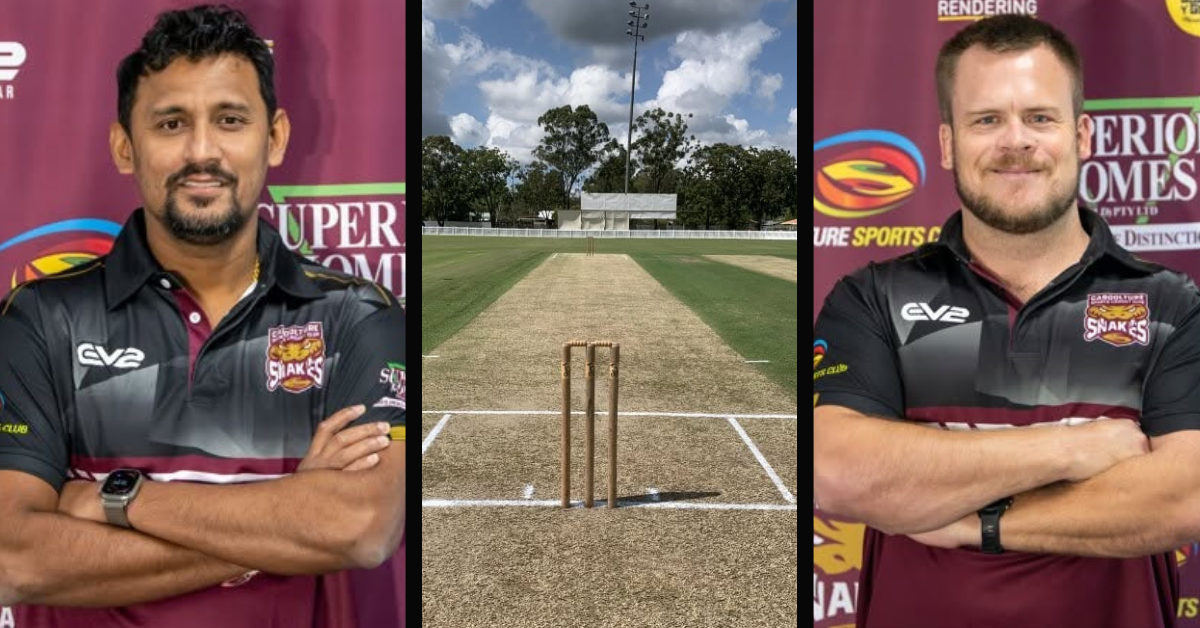
Caboolture Rugby Club has set its sights on Premier Grade rugby by 2030, backed by a new $6.4 million clubhouse, a 20 per cent year-on-year growth in junior numbers since 2023 and a new general manager bringing Premier Grade experience to Petersen Road.


The Snakes, as the club is known, have appointed Nigel Statham as general manager to lead the charge, with a strategic plan that maps a clear pathway from four-year-old beginners through to colts and eventually senior Premier Grade competition. The club also plans to appoint a performance director to support and develop its coaching staff. Statham describes this role as a move to “coach the coaches,” a step that adds a professional structure reflecting the seriousness of the 2030 ambition.

This season the club fields Under 12, 14, 16, 18 and Open women’s teams, and the goal is to have both men’s and women’s sides competing in Premier Grade alongside all junior teams playing in Brisbane Division One competitions by the end of the decade. It is an ambitious target for a regional club, but the foundations supporting it are more substantial than most.

Building the Pathway

The strategy at Caboolture Rugby Club rests on a simple but demanding idea: build a seamless pathway from the earliest junior levels through to the highest competition available, so that players who grow up in the Caboolture area never have to leave their club to chase elite rugby.

Rugby Operations Manager Sam Hoffman describes the club’s presence in local primary schools as central to that model. The club runs rugby programmes across most local primary schools and organises a competition for local high schools, many of which are traditionally rugby league environments. Bringing union into those spaces early, at a price point Hoffman describes as among the cheapest in sport, gives the club access to players who might otherwise never have considered rugby union as their game.

Statham points to the existing junior section, the backing of Caboolture Sports Club and the suburb’s extraordinary population growth as the three pillars that make the 2030 target realistic rather than aspirational.

A Void Worth Filling

One of the more compelling arguments for Caboolture’s Premier Grade ambitions is geographic. Premier Grade competition currently draws from clubs concentrated in Brisbane and the Sunshine Coast, leaving a significant gap in the middle of south-east Queensland’s fastest-growing corridor. Statham describes Caboolture Rugby Club’s ambition as becoming the Moreton Bay club, representing the entire region rather than a single suburb.

That framing matters because the Moreton Bay region is one of Australia’s fastest-growing local government areas, with Caboolture itself sitting at the heart of a population corridor that is projected to continue expanding well into the 2030s. A Premier Grade rugby club in that corridor would draw from a catchment that does not currently have one, which is both the challenge and the opportunity the Snakes are positioning themselves to seize.

Statham also notes the broader tailwind from rugby’s international calendar. The men’s Rugby World Cup arrives in Australia in 2027, followed by the women’s Rugby World Cup in 2029, creating a window of elevated public interest in the sport that the club intends to capitalise on through its junior growth programmes and community presence.

Admission to Premier Grade is not guaranteed by application alone. Statham is clear that the club needs to demonstrate consistency, build a winning culture and deliver a high-quality product on and off the field before the pathway to the top competition opens. Good programmes, good mentors and good coaches build the culture, and success brings the players.

Why This Matters to the Caboolture Community

For families in Caboolture and the broader Moreton Bay region, the Snakes’ 2030 vision represents something worth paying attention to. A club with a genuine pathway from primary school to Premier Grade gives young players in the area a local sporting home that can take them as far as their talent and dedication allow, without the disruption of switching clubs or relocating to Brisbane.

The club’s affordable pricing, primary school programmes and growing women’s competition all point toward an organisation that is thinking about community access rather than just elite outcomes. Junior numbers growing at 20 per cent a year since 2023 suggests the community is already responding, and the new $6.4 million clubhouse at Petersen Road gives the club the facilities to support that growth properly.

For Caboolture residents who want to get involved, more information on junior and senior registration, school programmes and the club’s strategic direction is available here.


Published 18-March-2026.

Featured Image Credit: City of Moreton Bay

Stage 4 Update Sharpens Focus on Funding Gap for Bruce Highway Alternative


Planning for the Bruce Highway Western Alternative (BHWA) has reached another milestone, with the Stage 4 corridor between Elimbah and Moodlu now identified and protected.


The 7.9-kilometre section forms part of the broader future route west of the Bruce Highway, known in planning documents as the proposed Moreton Motorway. The long-term project is designed to create an alternative north-south corridor stretching from Beerburrum to Bald Hills, aimed at easing pressure on one of South East Queensland’s busiest transport routes.

According to Transport and Main Roads (TMR), Stages 1, 2 and 4 of the corridor have now been identified and protected, while planning work continues on Stage 3 between Narangba and Bald Hills. That means much of the future route has now been mapped out, even though the full project remains some way from construction.

The latest update gives residents and landowners a clearer picture of where the future corridor is expected to run, particularly in the northern section near Elimbah and Moodlu, where route planning has drawn strong community interest over the past two years.

Photo Credit: TMR

Community feedback reshaped the northern planning process

The Stage 4 planning process has not been straightforward. Earlier route options prompted concern from some residents and property owners over the potential effect on homes and land. Community consultation then led TMR to revisit the study area, consider more than 20 alternative alignments and develop a revised proposed route.

Planning material released during that process said the updated alignment was intended to reduce property impacts compared with earlier concepts. More than 850 submissions were received during consultation on the revised study area, underlining the level of local interest in the project.

While the corridor is now protected, that does not mean construction is imminent. TMR has indicated that the full project remains more than a decade away and subject to future government funding decisions and priorities.

Photo Credit: TMR

Long-term motorway intended to support growth

The BHWA has been positioned as a major long-term transport project for Moreton Bay and the northern Brisbane corridor.

Planning documents describe the future route as a way to improve travel times, provide additional network capacity and offer an alternative to the Bruce Highway as the region’s population grows. The corridor is also expected to support major growth areas including Elimbah, Waraba, Morayfield South, Narangba and Moreton Bay Central.

As new communities expand in the region’s west and north, pressure on the existing road network is expected to intensify, particularly where developing suburbs remain heavily reliant on a limited number of arterial connections.

Council shifts attention to the funding gap

The BHWA is intended to respond to that long-term demand, but the latest planning progress also highlights the gap between identifying future infrastructure needs and delivering them on the ground.

In the media release accompanying the submission, Council argues that congestion across the city is already worsening and says the transport network will require major investment if it is to keep pace with population growth and planned housing. 

Rather than focusing only on the planning milestone, Council is drawing attention to the much longer timeframe for actual delivery. Its submission calls for the Bruce Highway Western Alternative to be brought forward to 2032, rather than the longer-term timeframe currently associated with the project. 

Council also points to related infrastructure it says will be needed sooner, including the Buchanan Road Overpass and Duplication, which it argues would improve connections between growth areas and the Bruce Highway. 

Other items raised in the submission include drainage and flood-mitigation works linked to housing supply, as well as additional local infrastructure priorities. 


At present, the BHWA remains a long-range infrastructure project. Federal and state funding has supported planning work, but a construction timetable has not been locked in.

Published 20-March-2026
Featured Image Credit: Supplied