Morayfield, are you ready for some exciting action and adventure? Crossfire Gelball, a new indoor gelball blaster arena, will open at the site of a former supermarket in Heritage Plaza.
Expected to fire up in May 2021, Crossfire Gelball is from paintball enthusiasts and siblings Nathan and Aaron Barroqueiro. After planning and transforming what was once the Golden Circle Warehouse in the last 18 months into a shooting arena, the brothers are now gearing up for the big launch.
The new venue is opening at the right timing, when there has been a growing number of gel blaster enthusiasts in Brisbane, Toowoomba, Sunshine Coast, and Gold Coast in the last couple of years. However, Nathan and Aaron noticed a lack of an indoor venue for this sport so they decided to pool their resources and set up their own.
As the final touches to the Crossfire Gelball are coming together, the brothers are quite eager to finally see their hard work and vision come to life. They are also enthusiastic about helping new players practice and master safety protocols, as well as educating players on the proper way to engage with gel blasters, as part of the Queensland Government’s Stop and Think campaign.
Crossfire Gelball is proudly an all-inclusive space, where families can play together. The site is wheelchair-accessible as well, as the brothers have thought of giving veterans who have taken to gel blasters as their fitness routine, a proper arena for recreational shooting.
Photo Credit: FacebookPhoto Credit: Facebook
In the future, the venue might also include a special competition for women only since Nathan and Aaron have noticed that the number of ladies hooked on this sport is also growing.
Meanwhile, after the opening of the Crossfire Gelball, a gel blaster store will also set up a shop next to the site. There will be no food and drinks in this section of the Heritage Plaza as the Barroqueiro brothers want the players to support the existing food and drinks businesses.
With 178 cases and complaints according to the RSPCA’s Animal Cruelty Hotspots report 2020, Caboolture has been revealed to have the worst record among Brisbane’s suburbs in terms of animal cruelty.
The suburb also secured the number one spot in the 2019 Hotspots Report with over 200 cases. The 2021 report showed a reduced number of cases compared to the 2020 figures.
Brisbane as a whole experienced a reduction in animal cruelty over the past two years, with statewide cases decreasing from 18,692 in 2019 to 17,146 the following year — numbers dropping by a little over 8 per cent.
Some of the most common complaints included animals with poor living conditions brought about by insufficient food and water, neglect and lack of exercise, abandonment, heat, lack of healthcare and veterinary treatment, and abuse and cruelty.
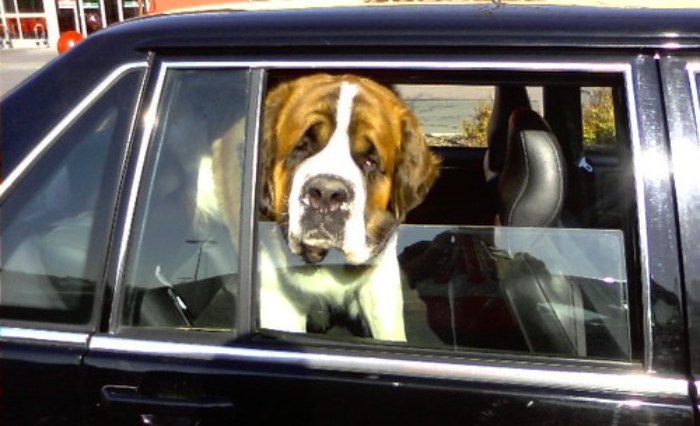
An estimated 1,116 emergency calls made to RSPCA Queensland were about animals suffering from heat stress, either by being left in a hot car or being tethered to the yard and unable to reach shade and water. Cars can reach up to 73 degrees Celsius in summertime — fatal for pets if left unattended, even if the vehicle is in shade with the windows rolled down.
As part of the RSPCA’s report, an interactive map was created which allows users to pinpoint their suburbs and discover how many reported cases of animal cruelty there were in the past year.
Deception Bay has several historic sites that tell the story of how the region developed over time. The Deception Bay Heritage Trail highlights these sites and narrates the evolution of the area from being the home of indigenous Australians to becoming a progressive region.
Exploring the Deception Bay Heritage Trail is a great way to learn more about the region. The 4-km heritage trail can be completed in a 90-minute stroll.
Deception Bay Heritage Trail
The heritage trail, consisting of 13 sites, starts at the northern end of Beach Road and ends at the southern end of Deception Bay’s Esplanade. The trail is highly accessible since it’s wheelchair- bike-, scooter-, and stroller-friendly.
The Pictures in the Rocks and the Bancroft Baths
Both baths are in the intertidal zone so they quickly fill with silt. Photo credit: Shiftchange/Wikimedia Commons
The first stop presents sandstone rocks with beautiful patterns. The heritage-listed baths, cut out of sandstone rocks, have a strong connection to the Bancroft family as well as their contributions to science. Joseph Bancroft was responsible for creating the baths that offer the health benefits of sea bathing.
Dr Joseph Bancroft’s House
Dr. Joseph Bancroft. Photo credit: John Oxley Library, State Library of Queensland. Image number: 57297
Dr Joseph Bancroft had many contributions in zoology, botany, and medicine. He discovered that the Wuchereria bancrofti parasitic worm causes elephantiasis. He is also the first in Australia to describe lockjaw (tetanus) and tick paralysis.
Flinders and John Oxley exploration
Chart of Terra Australis. Sheet II, East coast / by M. Flinders, Commr. of H.M. Sloop Investigator, 1799-1802. Photo credit: nla.gov.au
Flinders was able to sail through Deception Bay in 1799 although it wasn’t mentioned in his log.
By 1823, John Oxley did mention Deception Bay in his log during his travels whilst searching for a remote site for convict settlement.
Local Industry
At the time of European settlement, beekeeping, fishing, and tree-felling were introduced in the region. Some areas of land were also cleared for the dairy and beef cattle industry.
Dr Thomas Bancroft’s House
Portrait of Doctor Thomas Bancroft. Photo credit: John Oxley Library, State Library of Queensland. Image number: 186791
Just like his father, Dr Thomas Bancroft earned a reputation for being an active scientist, botanist, doctor, and photographer. He expanded his father’s work about tropical diseases. He also provided evidence that Aedes aegypti mosquitoes cause dengue fever.
The Second World War
During the Second World War, Deception Bay became an army camp for around 3,000 soldiers. These include Australians recalled back from overseas after the Japanese entered the war in 1942.
A Special Place for Gubbi Gubbi People
Photo credit: www.mustdobrisbane.com
The Gubbi Gubbi people were the first inhabitants of the foreshore of the region. They lived off the natural bounty of the land and the ocean.
In 1897, however, most of the Gubbi Gubbi and other indigenous people of Queensland were forcibly removed from the area.
Campground
In 1905, William Wallin established a kiosk near the popular campground. His son, Oliver took over the kiosk and re-established the post office around 1928-1929. The kiosk has been an important landmark in the area.
Viola and George Turnbull continued to run the kiosk until its closing on October 2004, nearly a century after its establishment.
The 10th site in the heritage trail honours the early settlers that helped in shaping Deception Bay area to become what it is today.
Living Together
A few Gubbi Gubbi people continued to live in the area after the early European settlement. Joseph and Thomas Bancroft even observed the trading between the Gubbi Gubbi people and the Europeans.
Webster’s Boondar
People posing at the office of Brisbane Tug and Steamship Co. Limited in Brisbane, 1913. Photo credit: John Oxley Library, State Library of Queensland. Image number: 167710
Alexander Brand Webster is a businessman who had an interest in the Brisbane Tug & Steamship Company. He called his holiday house ‘Boondar’ which he believes is an indigenous name meaning kangaroo.
Although his home in the area is just a holiday house, Webster is active in the Deception Bay community. He was the one responsible for establishing the first live saving patrols at the Bay in 1924. He also built a bowling green and tennis court in the area in 1929 for public use.
A Place of Plentiful Food
Sunset over Deception Bay. Photo credit: CC-BY/John/Flickr
Indigenous people living in the area relied upon the abundance of food at the Bay. Collecting food is important for their community. Because of this, most of them spend much time mending nets, sharpening spears, and going out for fishing parties at night.
Today, Deception Bay is made up of diverse communities from the Pacific Islanders and Indigenous Australians to people from different nationalities including those from the British Isles, Europe, New Zealand, and Asia.
Heritage trails are valuable assets for Moreton Bay region. These sites help locals and visitors understand the culture and past influences of the area.