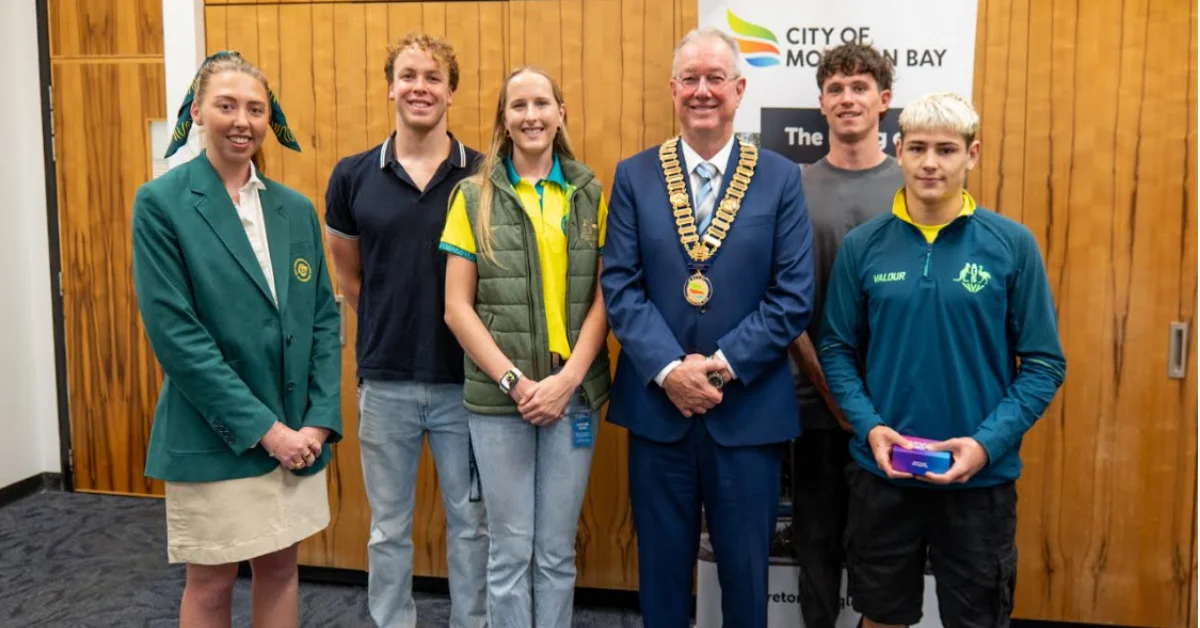
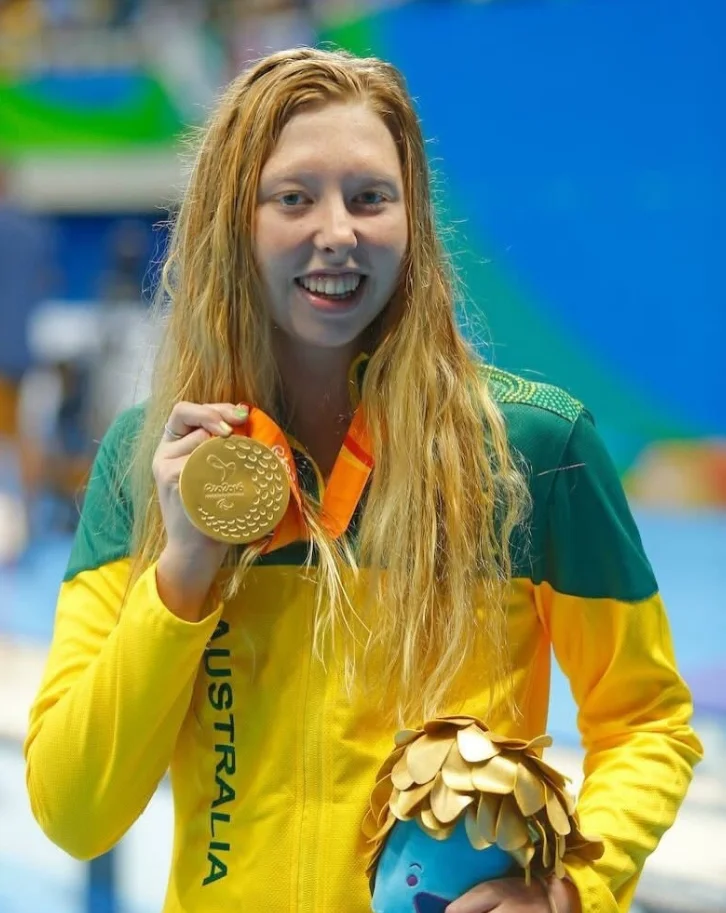
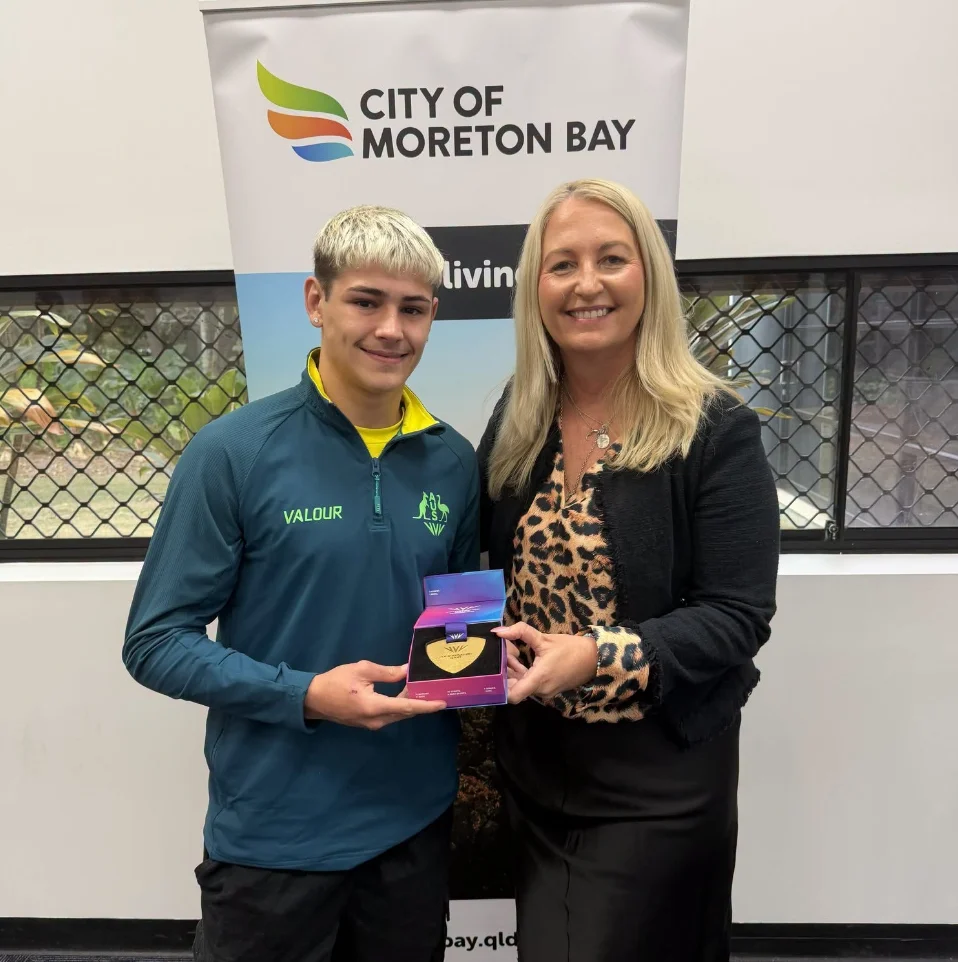
Caboolture has plenty to celebrate after Calab Law, Lakeisha Patterson and Jye Dixon all returned from the Glasgow Commonwealth Games with gold medals.
The trio were among the Moreton Bay athletes recognised on 23 September after the region’s contingent won 14 medals across swimming, para swimming, athletics and boxing. Together, the group collected 12 gold medals, one silver and one bronze.
Law, whose hometown is Caboolture and who attended Morayfield State High School, added Commonwealth champion to a growing international résumé. The 22-year-old reached the 200m semi-finals in Glasgow before helping Australia win the men’s 4x100m relay.
His relay success followed a national record in 2025, when he was part of the Australian team that ran 37.87 seconds in Sydney. Law has also represented Australia at the Paris Olympics and World Championships.
Patterson Returns To The Top of The Podium
Caboolture resident Lakeisha Patterson claimed gold in the women’s 100m freestyle S9, continuing a Commonwealth Games career that began in Glasgow 12 years earlier. Patterson first competed at the Games in 2014, winning bronze in the 100m freestyle S8. She followed that result with two gold medals at the Gold Coast Games in 2018 before winning again in Glasgow in 2026.
Her early swimming years also passed through the local area, including training at Bribie Island and an association with Lawnton Swim Club. Patterson lives in Caboolture and has gone on to build a career that includes Paralympic and world championship medals. At the 2024 Paris Paralympics she won silver in the women’s 400m freestyle S9, before taking gold in the same event at the 2025 World Para Swimming Championships in Singapore.
Caboolture-Born Dixon Takes Boxing Gold
Boxer Jye Dixon was born in Caboolture and grew up in Brendale, where his sporting career developed through All Star Boxing Academy. Dixon has trained with the academy since the age of 12 and entered Glasgow with eight Queensland titles and seven Australian titles already to his name. He returned as Commonwealth champion after winning gold in the 55kg division.
The 21-year-old was also selected for a Tier 2 Scholarship through the Sport Australia Hall of Fame’s 2026 Scholarship and Mentoring Program. Ms Cath Tonks said Dixon had previously received an Individual Achievement Grant.
Law, Patterson and Dixon were recognised alongside fellow Moreton Bay competitors following the Games, with Mr Peter Flannery praising the dedication required to represent Australia internationally.
Their results give the Caboolture area three fresh Commonwealth gold medals across three different sports — athletics, para swimming and boxing — with each athlete taking a different local pathway to the international stage.
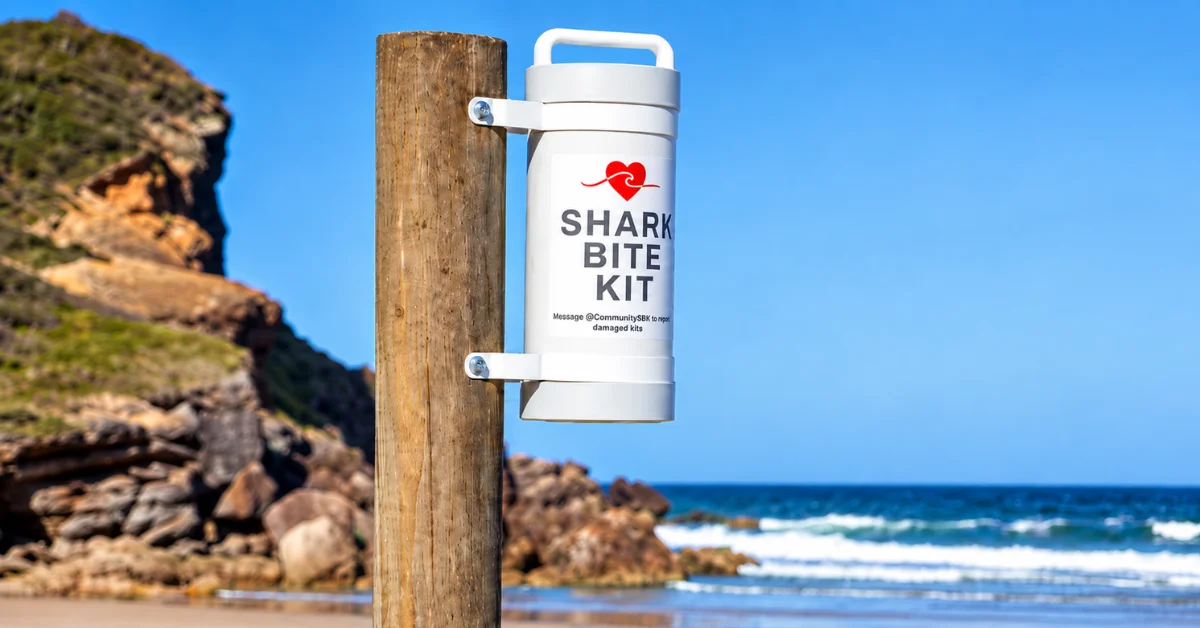
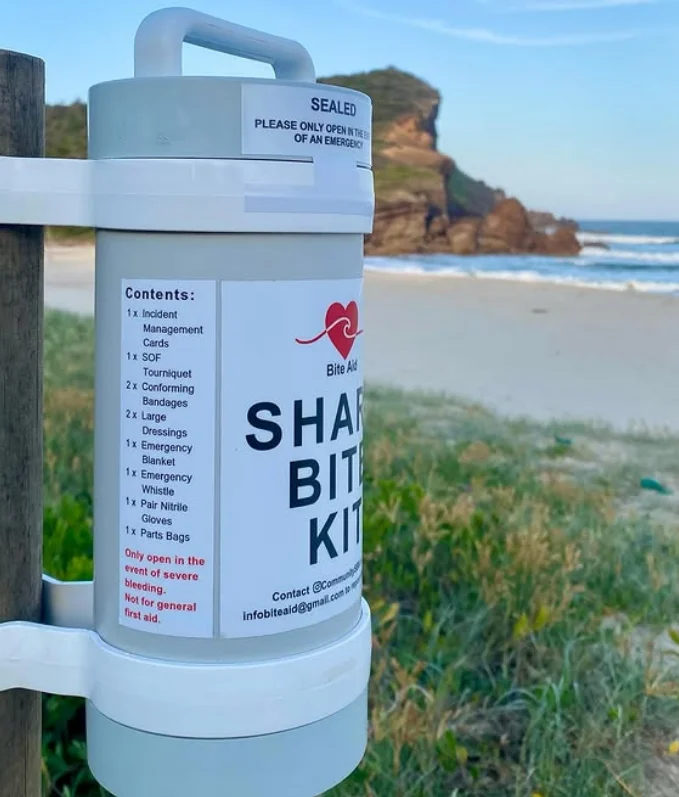
Woorim Beach families, surfers and other beachgoers could gain public access to emergency bleeding-control equipment under a community-funded shark bite kit proposal being pursued by Renee Zmuda.
Renee has asked Moreton Bay City Council for permission to mount the kits on existing posts along Woorim Beach, with no funding requested.
Community fundraising would cover the initial purchase of the equipment and all replacement supplies. Renee has also proposed taking responsibility for regular checks and upkeep through a formal memorandum of understanding.
The proposal is aimed at making bleeding-control equipment accessible across a beach used by families, surfers, fishers, campers and swimmers, including people recreating beyond the patrolled area.
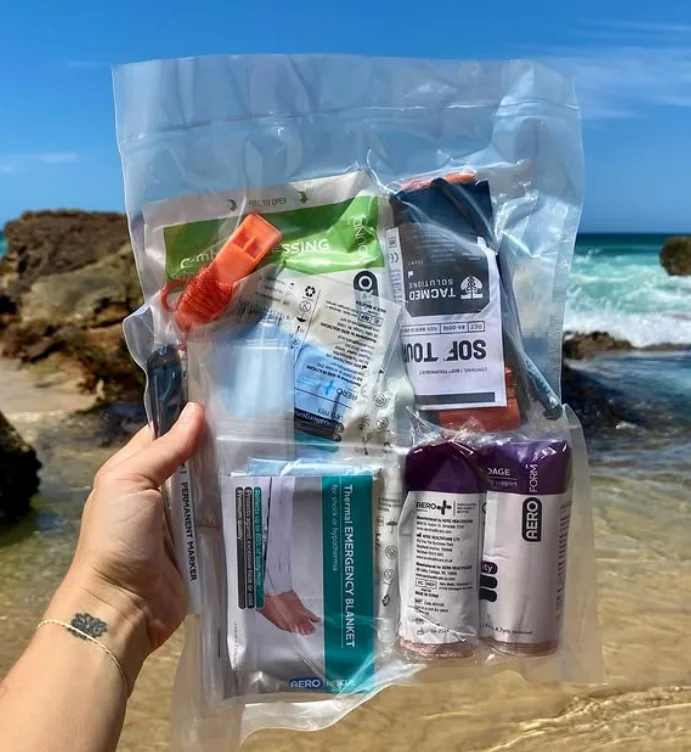
The shark bite kits would contain tourniquets, heavy pressure bandages, trauma shears and instruction cards for people without prior training.
They are intended to provide equipment for severe bleeding following shark bites or other marine trauma.
Renee acknowledged concerns that installing kits at unpatrolled access paths could be seen as encouraging swimming outside the flagged area. However, she told council beachgoers already use kilometres of the coastline beyond the patrol zone.
Families and surfers regularly use those areas, while other visitors travel further along the beach to camp, fish and swim.
The proposal therefore focuses on placing emergency equipment where people are already recreating rather than limiting access to the area around the patrol tower.
Similar shark bite kits have been approved at Coogee and Maroubra in New South Wales. After their installation, bystanders used one of the kits to apply a tourniquet to a shark bite victim.
Photo Credit: Bite Aid – Community SBK/Instagram
Community Campaign Follows Charlize’s Death
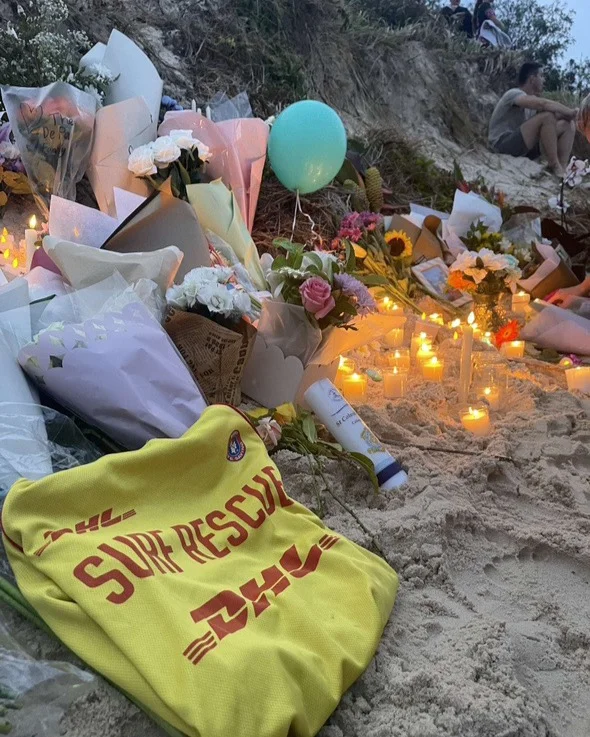
The Woorim Beach proposal follows the death of Renee’s daughter, Charlize Zmuda, who was attacked by a shark at the beach on 3 February 2025.
Charlize had a longstanding connection to the local beach community. She began as a nipper with Bribie Island Surf Lifesaving Club and later became a patrol vice-captain, volunteering her time at Woorim Beach.
Emergency services were called to the unpatrolled beach shortly before 5pm following the attack, but the 17-year-old could not be saved.
The Fifth Avenue beach access point at Woorim Beach is now known as Charlize’s Place.
Community support following her death was also reflected in a fundraiser established for the Zmuda family, which attracted 1,056 donors and raised $79,647.
Coroner Carol Lee later determined Charlize died from injuries to her right upper limb consistent with a bull shark attack.
The coronial investigation examined shark-control measures operating at Woorim Beach. At the time of the attack, 18 drumlines were positioned offshore and had been serviced two days earlier.
Shark nets were not used because strong tidal currents could interfere with their operation, while drone patrols had also operated at Woorim Beach during the summer period before the attack.
The coroner found the existing shark-risk mitigation framework appropriate and determined an inquest was not required because there was no unresolved conflict of evidence or suspicious circumstance.
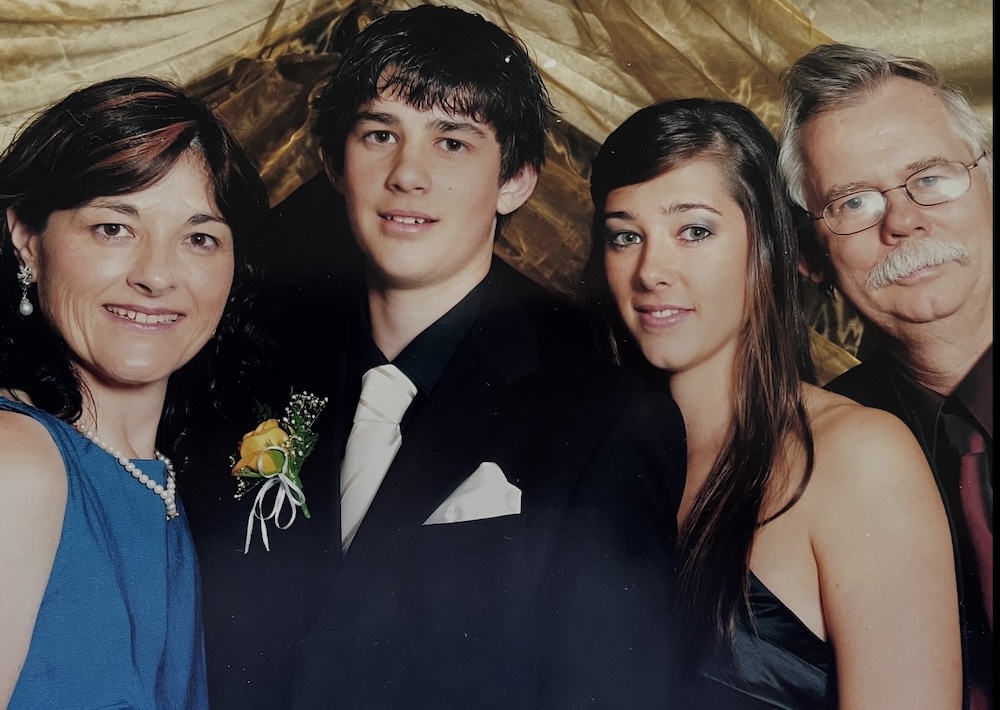
For years, birthdays in the Burgess family have travelled down phone lines. Christmas greetings have crossed state borders, while Facebook messages have helped fill the long spaces between visits. With relatives now spread from Caboolture and Brisbane to South Australia and Canada, being together has become something far less ordinary.
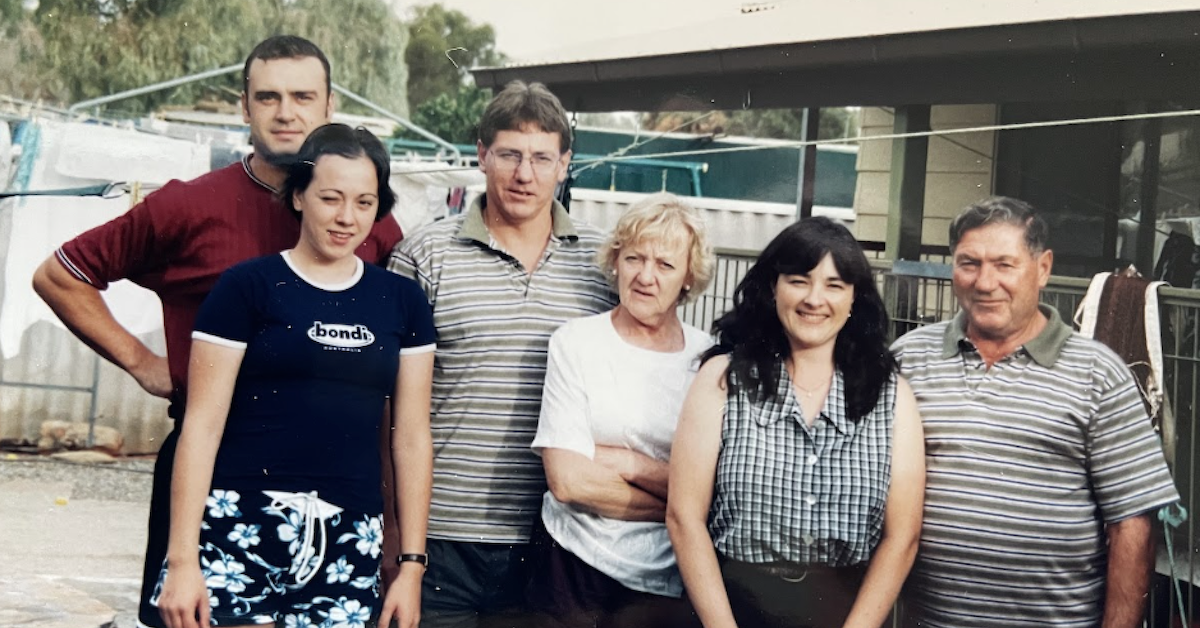
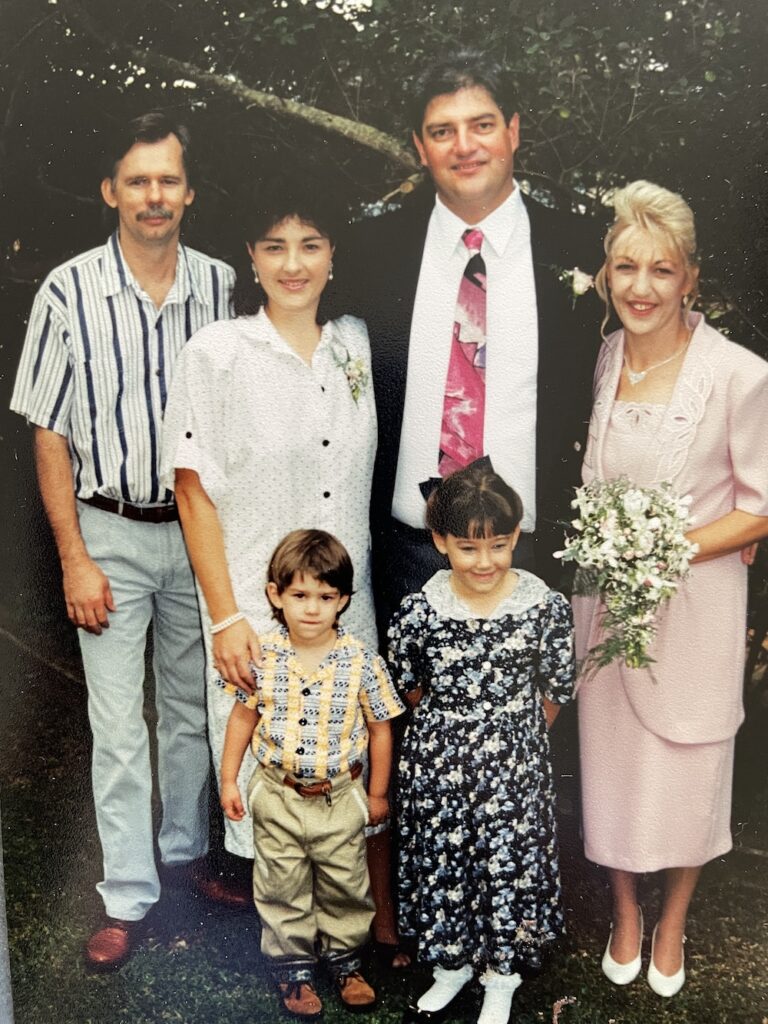
For Barbara Burgess, a retired paediatric nurse from Top Camp near Toowoomba, staying close has often meant hearing familiar voices rather than seeing familiar faces. A long-awaited reunion is now taking shape after Barbara was selected for Tahbilk’s inaugural Long Lost Lunch, an initiative created to bring together an Australian family separated by distance and circumstance.
For the Burgess family, it offers something they have struggled to arrange for years: everyone in the same room again.
Photo Credit: Supplied
Birthdays kept the family close
Barbara’s relatives have lived far apart for decades, with family members scattered across Queensland, South Australia and Canada. Caboolture is among the Queensland communities where members of the extended family now live.
Distance gradually changed what family occasions looked like. Barbara and her cousin Victor built their own birthday tradition, calling each other every year even when they could not celebrate together.
“I ring my cousin Victor for his birthday, and he rings me for mine,” Barbara said.
Christmas brought another round of calls, while Facebook helped bridge the months between them. The family remained connected, but the small rituals also became reminders of how rarely everyone could gather in person.
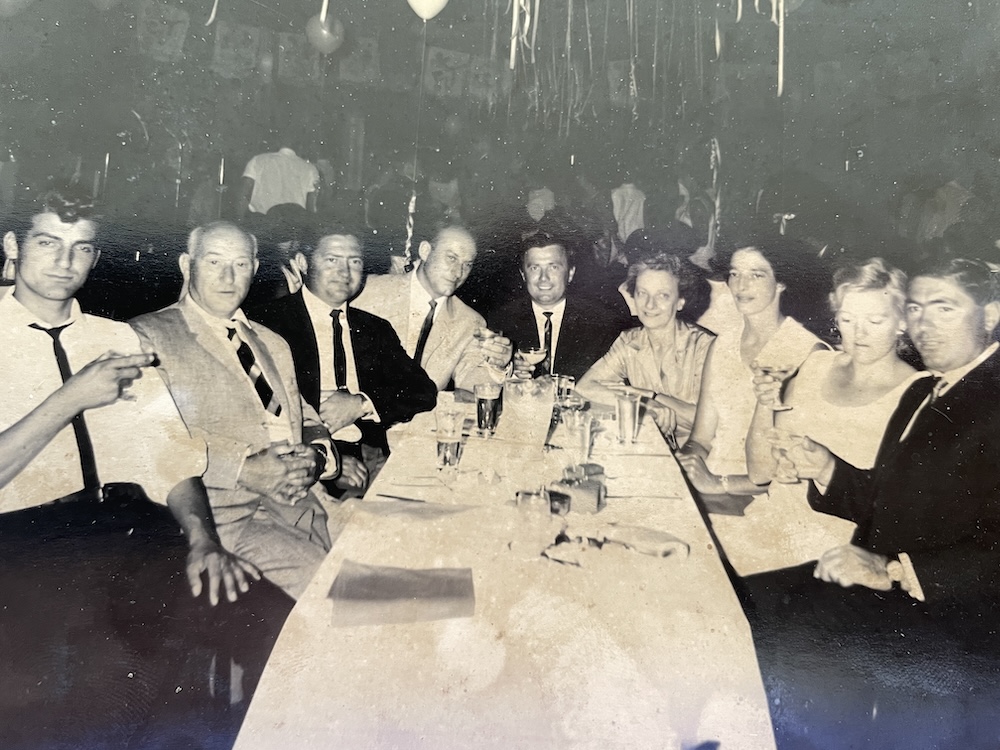
The last major family reunion described in Barbara’s story took place in January 2010 for her Uncle Victor’s 80th birthday. There were Coffin Bay oysters, home-cooked food and a game of pool that ended with Barbara’s cousins teaching her a few Hungarian phrases.
Food has always carried its own language in the family. Barbara remembers Uncle Victor joking that she was like her father, except she “didn’t eat enough”, while another of his sayings summed up the household attitude to hospitality: “You don’t have to be hungry to eat.”
Another gathering of the wider family never quite came together. Illness, financial pressure and the challenge of coordinating relatives living hundreds or thousands of kilometres apart kept pushing the next reunion further away.
Family roots stretched from Hungary to the outback
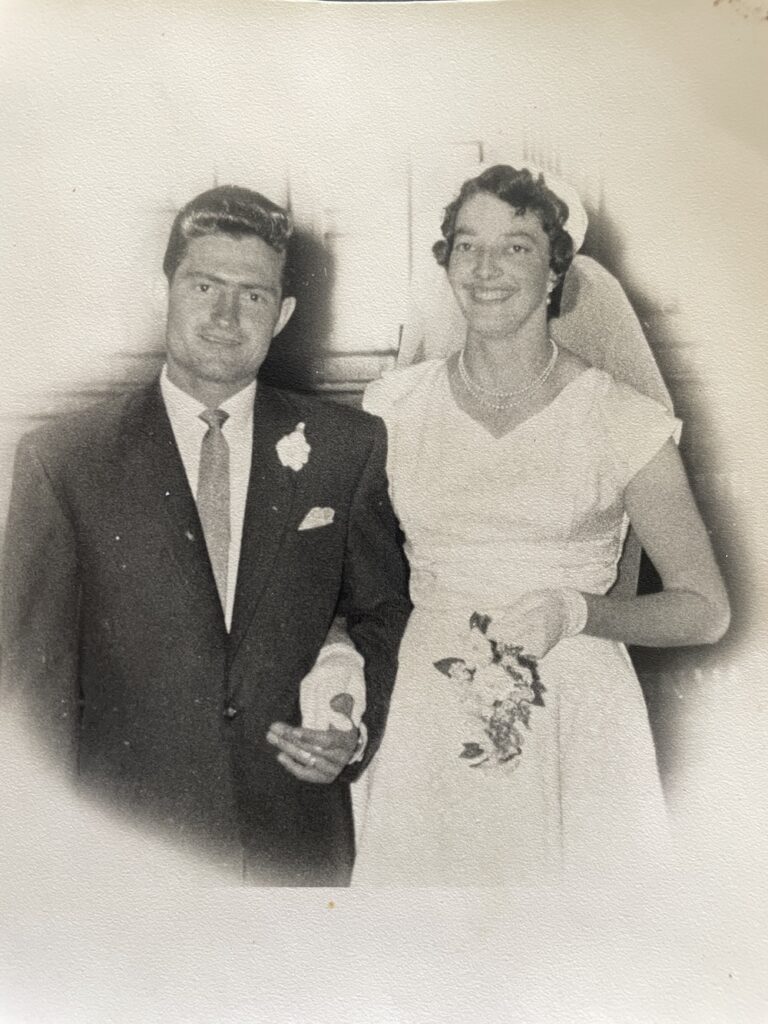
Barbara’s father, Janos, known as John, came to Australia from Hungary in 1951 after fleeing Communist rule. He later worked as a miner at Radium Hill in South Australia, where he met Barbara’s mother, Connie, who had left a dairy farm near Toowoomba to work as a nurse with the Australian Inland Mission.
Photo Credit: Supplied
John later searched for opal at Andamooka, spending periods digging by hand and sleeping in the back of a ute. His determination became part of the family story Barbara grew up hearing.
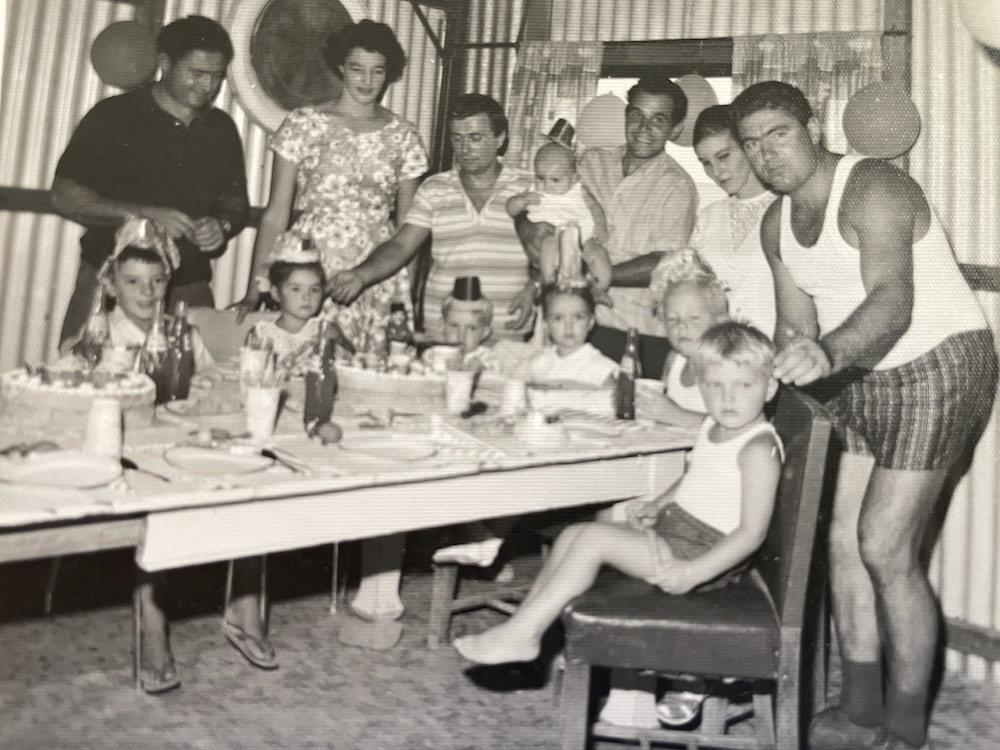
Her own childhood memories are less about hardship than the ordinary pleasures of being together. Birthdays meant party hats, a house full of friends and plenty of food, while rain could become an excuse for fun.
Photo Credit: Supplied
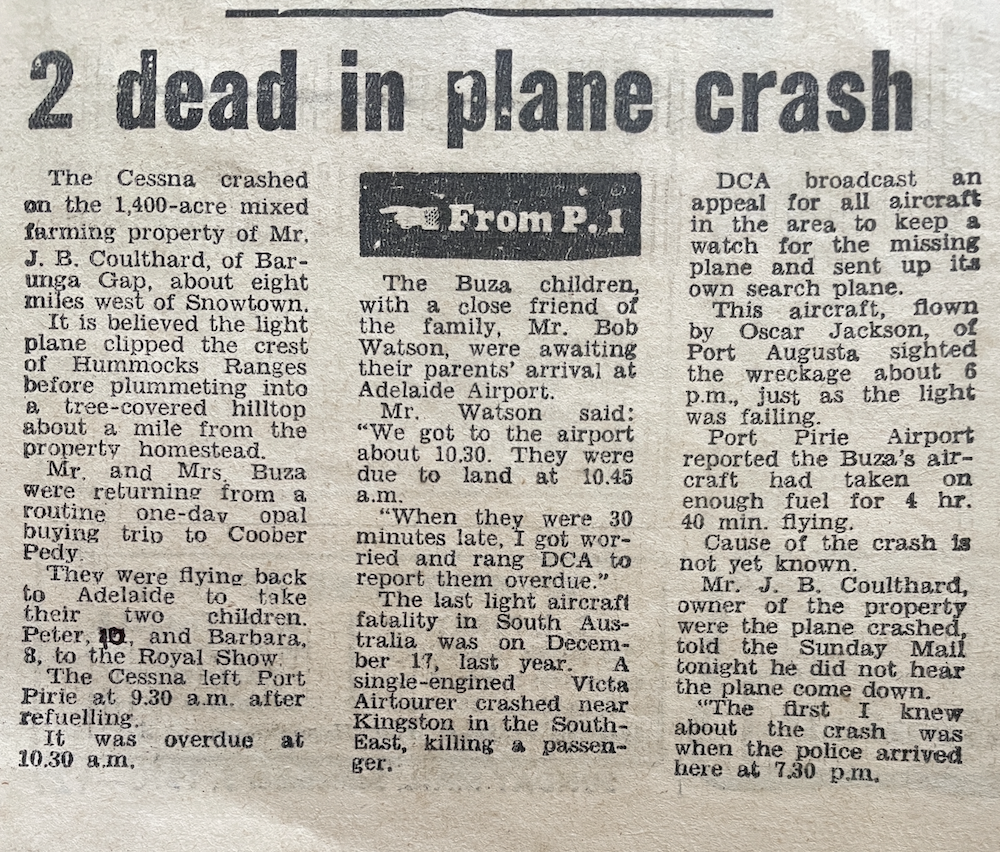
Barbara recalled her father raising the dump truck when it rained so she and her brother Peter could swim in the water that collected there. Memories like those have remained part of the family history long after Barbara and Peter lost their parents in a plane crash while they were still children.
Photo Credit: Supplied
Nursing became another thread linking the generations. Barbara eventually worked as a paediatric nurse, while her family says nursing and midwifery have been represented across four generations.
Illness made distance harder to bridge
As the years passed, visiting relatives became increasingly difficult for Barbara. A long period of poor health brought medical expenses and made interstate travel harder to manage.
Barbara later attributed her symptoms to mould exposure after spending years looking for an explanation. Whatever the cause, the financial and physical strain made family visits more difficult.
“Catching up with family is just too difficult,” Barbara said.
Photo Credit: Supplied
Her experience comes as regular face-to-face contact has declined more broadly across Australia. Australian Bureau of Statistics data shows 53 per cent of Australians aged 15 and over had in-person contact with family or friends outside their household at least once a week in 2025, compared with 68 per cent in 2019.
For families living across several states, keeping close can involve far more than finding a free weekend. Travel costs, health and distance can turn a simple family meal into something that takes years to organise.
A story Tahbilk says stayed with them
Barbara’s story was selected after Tahbilk invited families to share why they had become separated and what bringing them together would mean.
Fourth-generation Tahbilk custodian Alister Purbrick said Barbara’s family stood out because of its history of migration, nursing and resilience, as well as the circumstances that had kept relatives apart.
“When we read Barbara’s story we knew immediately she was our family,” Purbrick said.
He said the combination of her father’s journey from Hungary, the generations of nurses in the family and the years spent apart captured the kind of story the Long Lost Lunch had been created to recognise.
Saroo Brierley, who is due to host the gathering, also found something familiar in Barbara’s story. Brierley was separated from his birth family in India as a child, later grew up in Australia and eventually reunited with his mother after decades apart, a story later told in the film Lion.
“Barbara’s story moved me,” Brierley said. He pointed to the family’s resilience, the distance between relatives and the years spent wanting to be together again.
Photo Credit: Supplied
One table after years of phone calls
Tahbilk’s Long Lost Lunch is planned for its estate at Nagambie in Victoria in October. The selected family will receive return travel to Victoria, transfers, accommodation and a hosted lunch, giving relatives who have spent years speaking across distance the chance to finally meet around one table.
The occasion carries echoes of the family gatherings Barbara remembers from childhood: food to share, relatives close by and no need for a phone call to bridge the distance.
“It’s so exciting to think we’ll finally be together at Tahbilk Estate, sharing great food, wine and of course celebrating our love for each other,” she said.
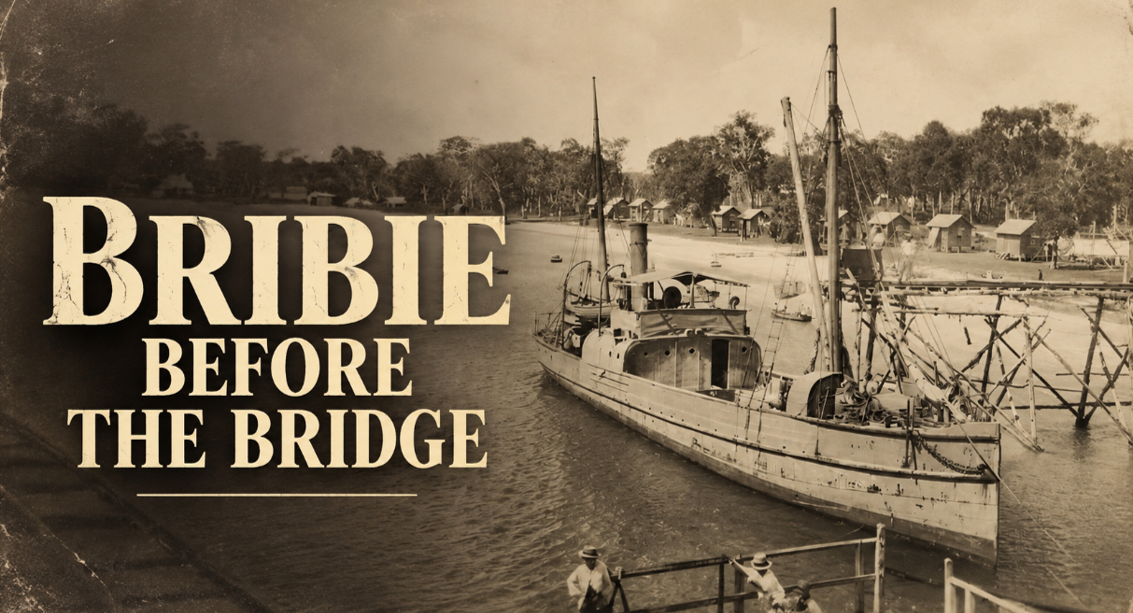
Before Bribie Island had its own permanent police presence, law enforcement could mean calling for officers from Caboolture — and waiting for them to cross the water.
For decades, the water separating Bribie from the mainland helped shape an image of an island beyond easy reach of authority — a place of holiday camps, temporary policing and, according to legend, escaped convicts.
The isolation was real. Some of the stories that grew around it are harder to prove.
The most enduring concerns the island’s own name. Tradition links “Bribie” or “Breiby” to a convict basket-maker, while other stories tell of escaped prisoners finding refuge on the island.
The surviving records paint a more complicated picture.
BRIBIE LEGENDS: WHAT THE RECORDS SAY
THE CONVICT CALLED “BRIBIE”
SUPPORTED BUT UNCERTAIN
Tom Petrie recalled a prisoner known as “Bribie, the basket maker” in reminiscences published in 1904. Thomas Welsby later developed the story but could not establish the man’s identity. Bribie Island Historical Society research has also found no convincing match in Moreton Bay convict registers.
THE ORIGIN OF THE NAME
UNPROVEN
An official letter from August 1836 already refers to “Breiby’s Island”. Queensland’s place-name record says the name was “probably derived” from a convict called Bribie or Breiby, while another explanation links it to an Aboriginal word rendered as Boorabee. The precise origin remains uncertain.
CONVICTS ON BRIBIE
DOCUMENTED
Former convicts Thomas Pamphlett and John Finnegan were encountered at Point Skirmish by explorer John Oxley in 1823 after being shipwrecked. They were not fugitives from the Moreton Bay penal settlement, which had not yet been established.
AN ISLAND REFUGE FOR ESCAPEES
ORAL TRADITION / FOLKLORE
Later stories tell of escaped prisoners reaching Bribie or disappearing “down with Bribie”, but the records located do not establish Bribie as a regular refuge for escaped convicts.
Whatever the truth behind the convict stories, Bribie’s isolation created a much more practical problem once large numbers of holidaymakers began arriving: who was going to police them?
In December 1920, a correspondent to The Brisbane Courier estimated about 2,000 campers would spend Christmas on the island and called for a constable to be stationed there for a fortnight. Belongings, the correspondent complained, were disappearing from unattended tents.
By Christmas 1924, a constable was on Bribie as about 1,000 visitors occupied 170 tents. Contemporary reporting credited the officer with keeping the rowdier element under control.
It was policing dictated partly by geography and partly by the calendar. Bribie’s permanent population remained small while steamships could suddenly deposit hundreds of holidaymakers at Bongaree.
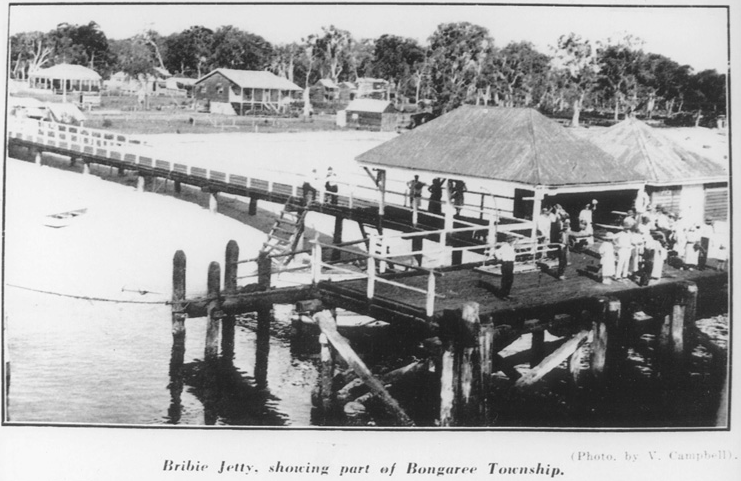
Bribie Jetty, showing part of Bongaree Township, 1923. Photo Credit: City of Moreton Bay – Our Story CLPC-P1238
Fourteen hours waiting for police
A temporary police station operated from a cottage at 4 Third Avenue, Bongaree, during the Second World War, but closed after the war.
The consequences of that isolation became particularly clear in 1946.
In August that year, 56-year-old fisherman William Milverton was found dead in Toorbul Street at about 9pm. Caboolture police were contacted, but officers did not reach the island by boat until about 10.30 the following morning.
A post-mortem reportedly found no suspicious circumstances, but the roughly 14-hour wait showed the practical problem facing an island without permanent police.
Another push for permanent policing followed a brawl in 1947. According to local historical research drawing on contemporary reporting, police considered Bribie’s residents generally law-abiding.
The distinction is important: Bribie was difficult to police. That did not necessarily make it lawless.
A permanent presence at last
Permanent policing finally arrived in December 1951, when a station was established in the Third Avenue cottage and a lock-up was built behind it.
Queensland parliamentary records from September 1952 support that timeline, recording that an acting sergeant had been transferred to the new station almost a year earlier.
By then Bribie was changing. Steamships had established Bongaree as a major holiday destination, car ferries brought vehicles across Pumicestone Passage and permanent settlement was growing.
Then, on 19 October 1963, the Bribie Island Bridge opened.
The island was no longer dependent on boats and ferries for everyday access to the mainland. For police and emergency services, as well as residents and visitors, the permanent road connection removed one of the geographical obstacles that had defined life on Bribie.
Bribie’s isolation undoubtedly helped create its reputation, but the documentary record is less sensational than the folklore.
There were stolen belongings, rowdy holidaymakers and long waits for mainland police. There was also a mysterious convict basket-maker whose possible connection to the island’s name has never been conclusively established.
What the records do not demonstrate is a Bribie routinely beyond the law or established as a sanctuary for escaped convicts.
Even the later “Three Ds” reputation sometimes attached to old Bribie remains unproven without a reliable early source showing when, and by whom, the expression was actually used.
Before the bridge, the water separating Bribie from the mainland created genuine isolation — and left plenty of room for stories to cross the passage.
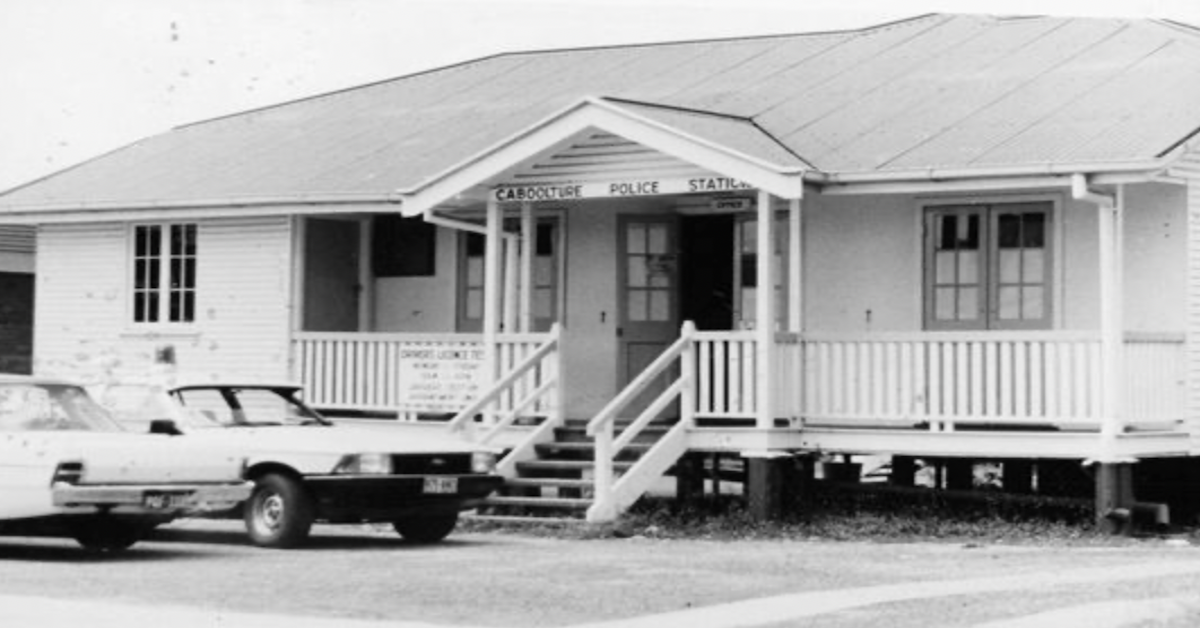
Caboolture’s early police had a fairly basic problem: there wasn’t much of a police station. The little timber building had just four rooms. Two were cells, but one doubled as a constable’s bedroom. Part of the kitchen became the Court of Petty Sessions.
From this unlikely base, police were expected to keep order across a district of farms, timber country and scattered settlements.
The cases that survive from those years are equally revealing: a watch and money disappearing at a local hotel, a railway station robbed of its takings, and offences that took the business of policing beyond the township.
Together, they offer a glimpse of what could go wrong in everyday Caboolture more than a century ago.
The government was considering a police presence in Caboolture by the end of 1869. In March 1870, Police Commissioner David Thompson Seymour was corresponding about sending a portable lock-up from Brisbane.
Queensland Police records date policing in Caboolture to 1871. Historical police annual reports cited by the Caboolture Historical Village record a station operating by 1872, staffed by a Senior Constable and a Constable.
Among the earliest officers identified in surviving local records are Sergeant Walker, registered number 77, and Senior Constable Thomas Robinson, number 316.
The available digitised records do not establish with certainty which man was Caboolture’s first individual policeman. What they do show is that a police presence was being planned by 1869–70 and a two-man station was operating by 1872.
Those officers had plenty of ground to cover.
Caboolture was still a small settlement surrounded by timber country and rural holdings. Even in 1891, the township had only about 248 residents.
Then the railway arrived in 1888, bringing passengers, freight, mail and goods through Caboolture — and another part of the district for police to watch.
A Watch, Half a Sovereign and a Hotel
One case began at Caboolture’s Royal Hotel in January 1889.
A man was accused of stealing a watch and half a sovereign from another man, with hotel barman George Bushell giving evidence in the case.
The matter progressed beyond the local Police Court. The accused was convicted before Judge Noel and sentenced to three years’ penal servitude. He later petitioned the Colonial Secretary maintaining his innocence.
By then, Caboolture’s police accommodation was also showing its age. In August 1889, 23 residents petitioned the government for a proper courthouse.
Tenders for new police and court facilities followed in 1891, with James Campbell Thompson securing the contract. Police, court and residential buildings would become part of the King Street government precinct.
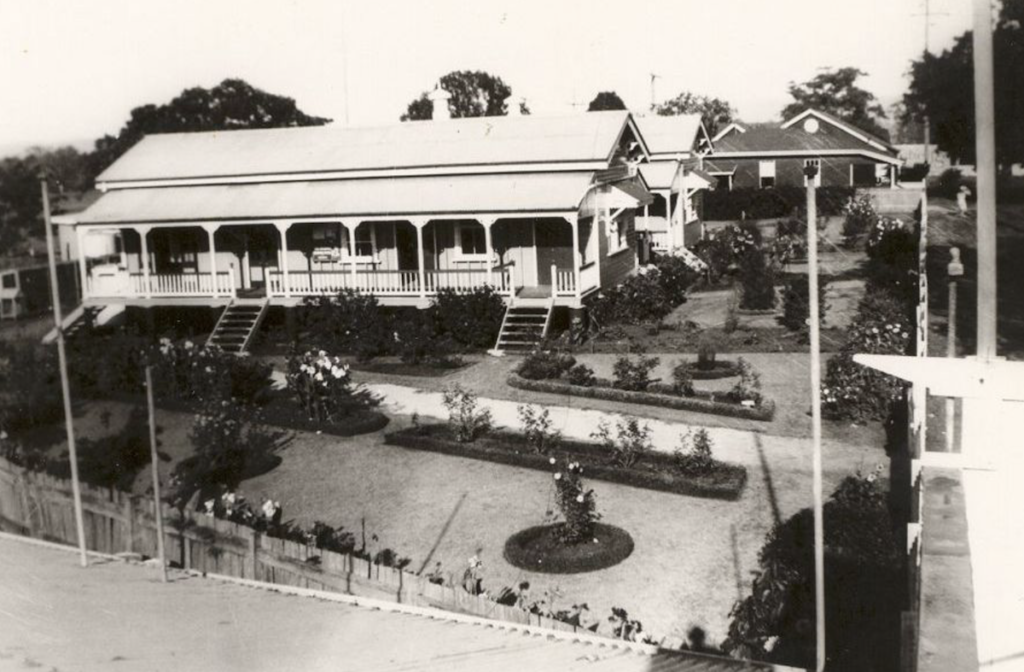
From left to right – Constable’s residence, courtroom, Clerk of Petty Sessions office. Horse stables were at the rear. The dark building in the background is the post office, and the door at the rear is the telephone exchange. The post office residence is beyond the post office. The Tree of Knowledge is in the top right of the photograph. | Photo Credit: City of Moreton Bay Our Story
Then Someone Robbed the Railway
On the night of 30 April 1894, Beerburrum railway station, about eight miles from Caboolture according to the Police Gazette, was broken into.
A cashbag containing between £60 and £70, along with £2 3s 3d in station cash, disappeared.
The offence appeared in the Queensland Police Gazette, which circulated details of the robbery and information about a person who had come under suspicion. The surviving entry records suspicion, not a conviction.
More than 30 years later, Beerburrum was again the setting for a case heard at Caboolture.
In September 1926, pineapple farmer Charles Levy pleaded guilty in the Caboolture Police Court to breaking into a Lands Department depot and stealing clothing valued at £35. Contemporary reports said he had been driving home while heavily intoxicated when the offence occurred. He was committed to the Brisbane Supreme Court for sentence.
These were not spectacular crimes. They revolved around the places where people actually lived and worked — hotels, farms, government buildings and railway stations.
As Caboolture grew, so did its police and court facilities.
Early photographs show police, court and residential buildings along King Street, while a separate courthouse was eventually built in 1950.
One piece of the old arrangement survives.
Caboolture’s two-cell lock-up, once behind the police station, was eventually moved to the Caboolture Historical Village.
It is easier to understand how small it is when you picture the district it once served: a few hundred people in town, farms and timber country beyond it, money moving along a new railway — and a constable sleeping in a room that could otherwise hold a prisoner.
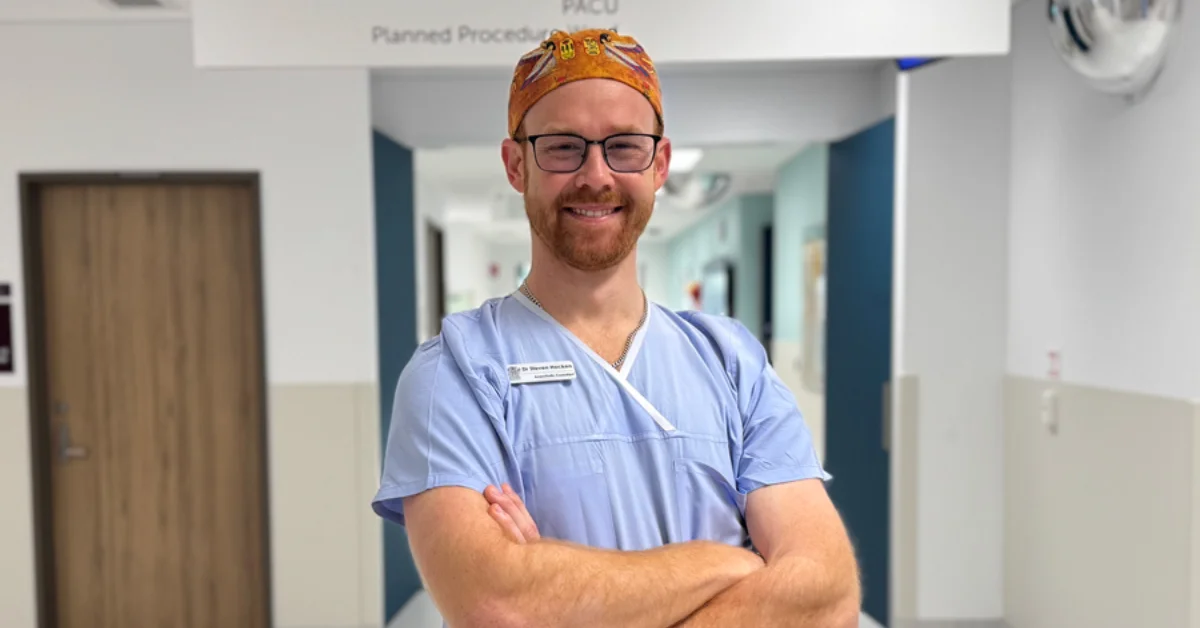
A Caboolture doctor who was told his metastatic bowel cancer was inoperable has returned to anaesthetic practice after intensive treatment and specialist training, carrying lessons from his own experience as a patient into his clinical work.
Dr Steven Hocken was an anaesthetic registrar preparing for his final specialist examinations when several months of pain led to an urgent colonoscopy.
Gastroenterologist Dr Adrian Swaine performed the procedure at Redcliffe Hospital, with Hocken choosing to remain awake. He saw the large tumour on the screen before further testing confirmed metastatic bowel cancer.
Hocken was 35 when colorectal surgeon Dr Andrew Riddell provided the first surgical consultation. At that stage, the cancer was considered inoperable and Hocken was told he may have about three years to live.
The diagnosis shifted him from treating patients to experiencing healthcare from the other side. He later described the experience as changing aspects of his own practice, including the way he handles pain crises, prepares patients for major surgery and considers their perspective during treatment.
Hocken’s care involved specialists across Metro North Hospital and Health Service in gastroenterology, colorectal surgery and oncology.
His treatment was aggressive because of his young age. Associate Professor Melissa Eastgate, Executive Director Cancer Care at the Royal Brisbane and Women’s Hospital, was his medical oncologist and provided chemotherapy and immunotherapy with the RBWH oncology team.
After an intensive treatment period that also involved significant complications, Hocken responded strongly enough to chemotherapy for surgery to become possible.
Riddell, who had initially advised that the cancer could not be operated on, later performed an ultra-low anterior resection at the Royal Brisbane and Women’s Hospital.
By June 2026, Hocken’s metastases had disappeared, his stoma had been reversed about a year earlier and he had completed his specialist training.
By August, almost two years had passed since the operation and follow-up scans continued to show no recurrence. The possibility of the cancer returning remains, with Riddell noting that patients are followed for five years.
Caboolture Doctor Returns To Practice
By June 2026, Hocken was working full-time as an Anaesthetic Consultant at Caboolture Hospital.
His healthcare career had begun well before medicine. He initially worked as an Assistant-in-Nursing before becoming an intensive care nurse and later pursuing medicine and anaesthetics.
During specialist training, Hocken rotated through seven hospitals. Caboolture stood out to him for the way its team worked together and cared for colleagues, and returning there after completing his training had always been part of his plan.
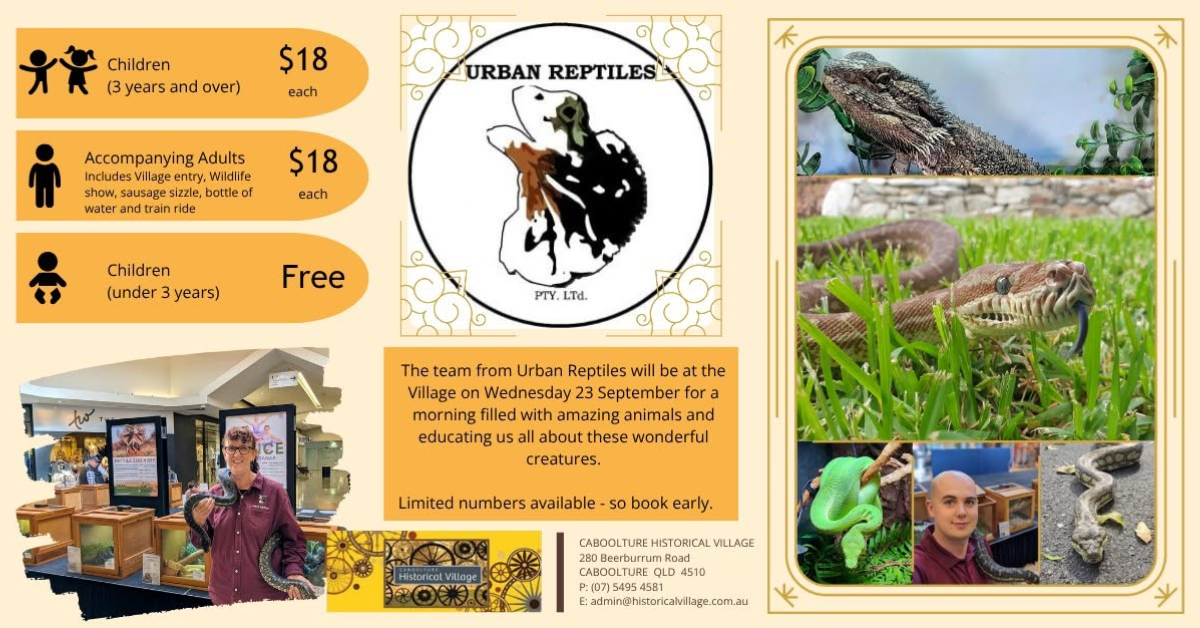
Looking for a brilliant way to keep the kids entertained these holidays without breaking the bank? Families heading down to the Caboolture Historical Village can soon enjoy a hands-on encounter with native Australian wildlife.
The special school holiday program is scheduled for Wednesday, September 23, running from 9:30 am to 12:30 pm. Visitors are encouraged to arrive early to secure good spots for the main presentation and make the most of the morning activities.
Getting Up Close with Native Fauna
Specialist wildlife educators from Urban Reptiles are heading to the region to host an interactive learning session. Children and adults alike will get the chance to observe a diverse range of Australian species up close.
The lineup often features fascinating creatures such as skinks, geckos, dragons, monitor lizards, frogs, turtles, and various native snakes. Organisers note that these presentations aim to foster a deeper appreciation for local conservation efforts and reptile behaviour in a safe, engaging environment.
Admission bundles offer great value for local parents trying to manage holiday entertainment costs. Each ticket covers full entry to the expansive historical village grounds, admission to the live animal education show, a fun train ride around the property, a classic sausage sizzle lunch, and a bottled water.
While general admission handles the core activities, attendees should note that individual souvenir photos with the handlers and animals may incur a small separate fee.
Beyond the reptile show, ticket holders have the freedom to wander across the heritage buildings and curated displays. Stepping back in time allows kids to explore a slice of local history while enjoying a relaxed family day out in the fresh spring air.
Moreton Bay residents will make up a 154-strong contingent at the GemLife Games on the Gold Coast, including Bribie Island lawn bowler Patricia Mapes and Burpengary resident Craig Hughes.
They will be among about 800 entrants from Queensland, New South Wales and Victoria competing across nine sports when the fourth annual event is held at GemLife Gold Coast on September 10 and 11.
Craig Hughes takes on a different sport
Photo credit: GemLife
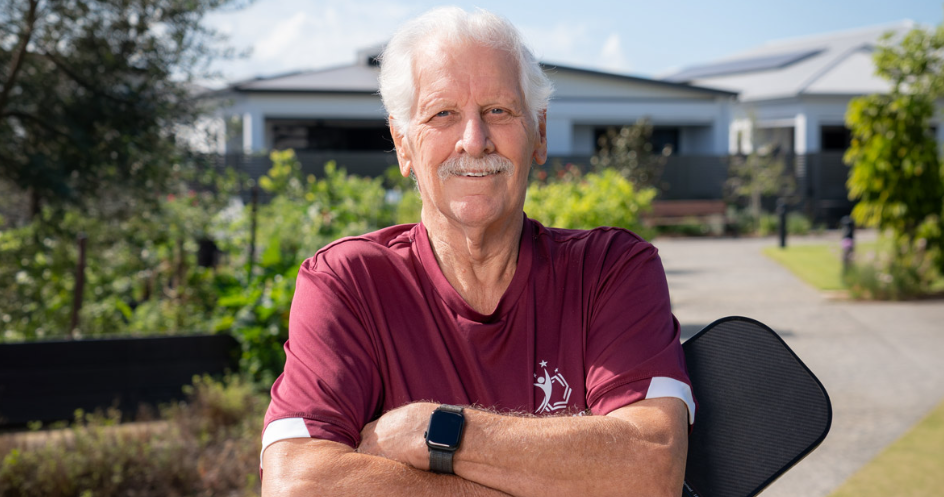
Craig Hughes will be returning to the GemLife Games in 2026, but this time he will be taking on a different sport. The 78-year-old, who lives at GemLife Moreton Bay in Burpengary, competed in pickleball last year. This time, he will compete in eight-ball pool while also helping behind the scenes as a member of the organising committee.
Hughes is one of three team captains for GemLife Moreton Bay, alongside Peter Scragg and Belinda Kerwick. This will be the first time GemLife Moreton Bay competes under its own colours. In 2025, the community joined GemLife Gold Coast to form the Queensland Spartans.
The Moreton Bay team intends to field competitors across every sport, with GemLife reporting strong interest from residents. The community also arrives with some recent success behind it, having won both the men’s and women’s pickleball competitions in 2025. Hughes has said the team is training for several sports, including tennis and lawn bowls. He has also highlighted the friendly camaraderie and broad participation at the Games.
Patricia Mapes and the Pelicans get ready
Photo credit: GemLife
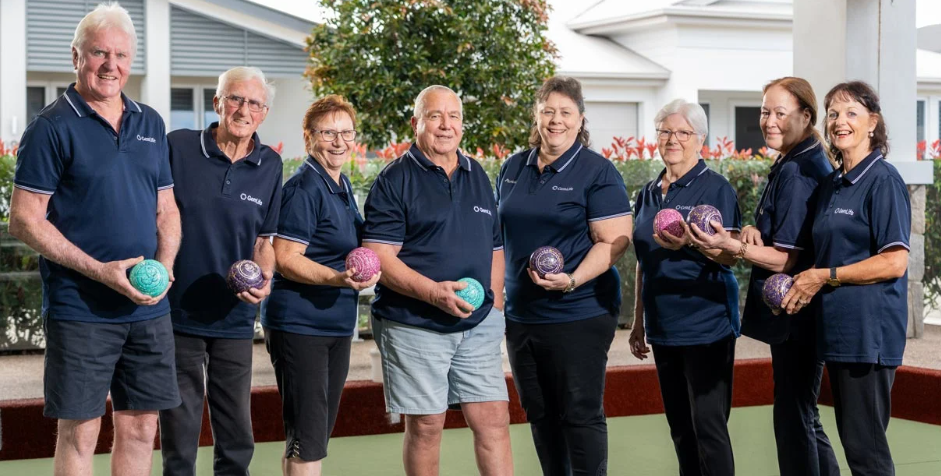
On Bribie Island, the Bribie Pelicans are preparing for another appearance at the Games. Patricia Mapes will represent GemLife Bribie Island in mixed lawn bowls, while also helping coordinate her community’s teams across the Games. It will be her third time competing at the event.
Mapes and her husband Lyle moved to GemLife Bribie Island in October 2023, where she took up lawn bowls with fellow residents Rosie Sullivan and Chris Bates. The three had never played the sport before moving into the resort. In their first GemLife Games in 2024, the trio won the women’s lawn bowls competition.
This year, Mapes is part of a mixed team with George Hardie and experienced bowler Wally Sear. Preparation has involved regular practice sessions at the Country Club greens, where Bribie Island’s men’s, women’s and mixed teams have been working on their skills and how they play together.
In lawn bowls, teams must complete five ends within 30 minutes, prompting the Bribie bowlers to focus on speed and communication during training. Bribie Island’s magenta-coloured team is known as The Pelicans.
A growing event in 2026
The GemLife Games were established in 2023 as an inter-resort sporting competition. Last year’s event at GemLife Palmwoods attracted about 700 participants, supporters and spectators from resorts across the country.
GemLife said the 2026 Games will be the biggest yet, with about 800 entrants and nine sports on the program. The sports are swimming, tennis, table tennis, pickleball, eight-ball pool, ten-pin bowling, lawn bowls, golf simulator and speed chess.
Alongside GemLife Moreton Bay competing as a standalone team, the field will include Tweed Waters, Rainbow Beach and host resort GemLife Gold Coast. Foundation teams Maroochy Quays, Pacific Paradise, Bribie Island, Palmwoods, Woodend and Highfields will also return, with Highfields teaming up with GemLife Highfields Heights. Team Maroon will round out the competition, bringing together homeowners from Elimbah, On Dean, Lighthouse Bay and Kilcoy Greens.
With the September 10 start date approaching, competitors from across Moreton Bay are continuing their preparations. For competitors such as Mapes and Hughes, the September Games will bring another opportunity to compete, try new sports and connect with residents from other GemLife communities.
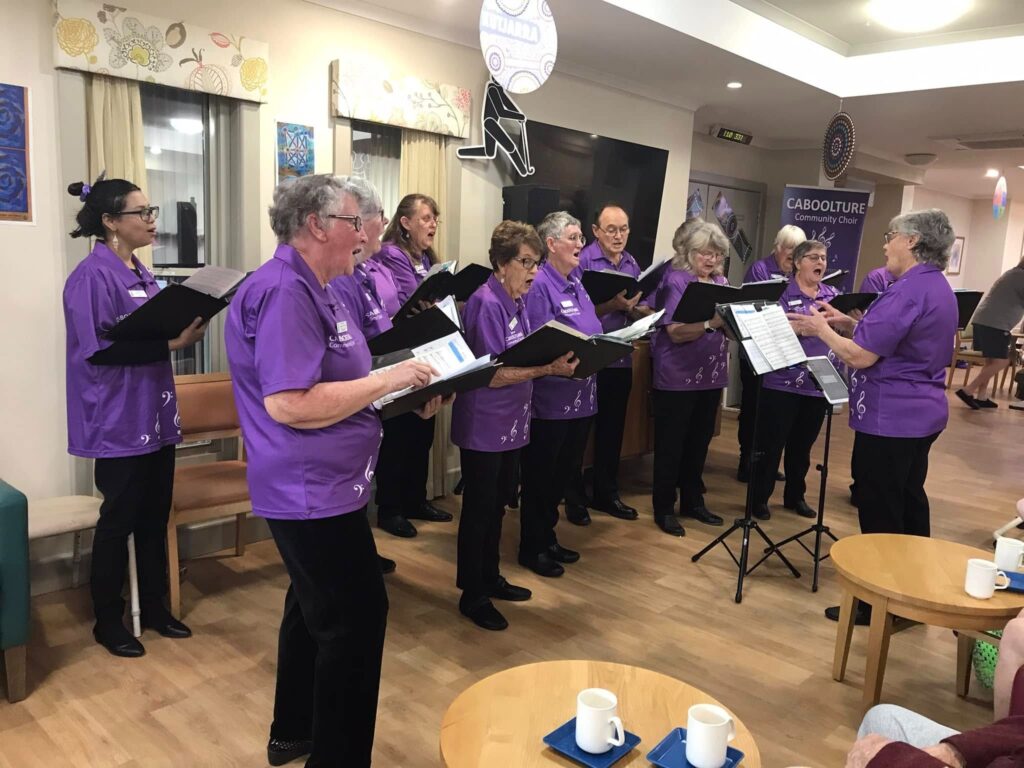
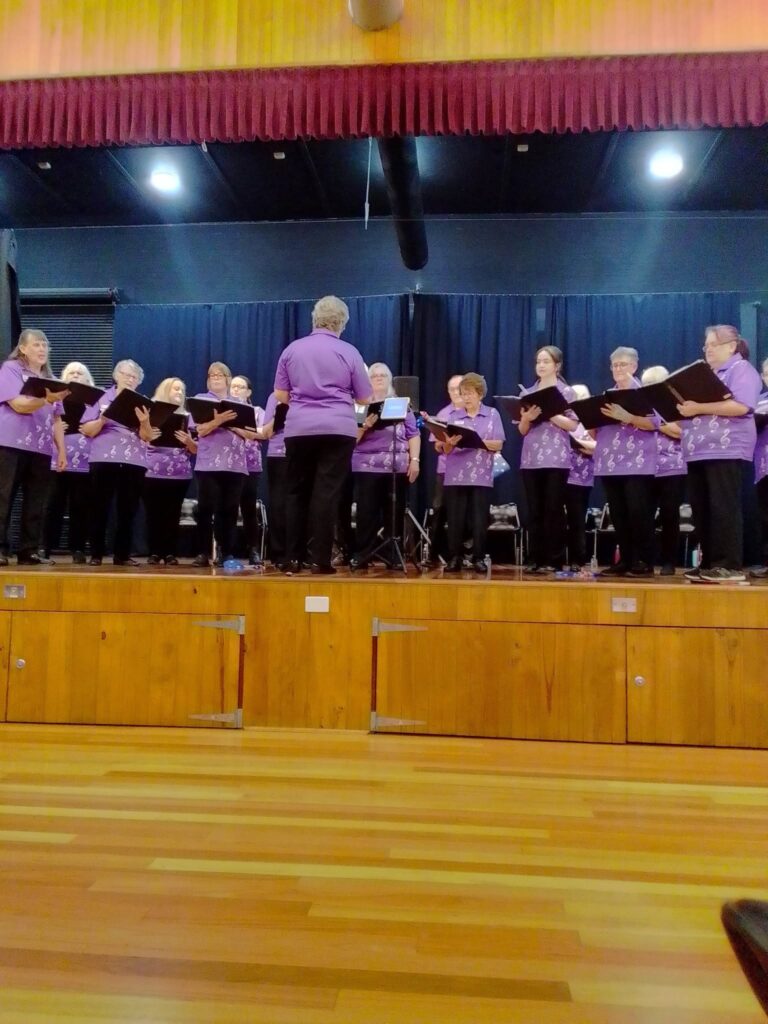
Caboolture Community Choir will bring singers together for an afternoon of music and community connection when it stages a free wellbeing concert in Morayfield this September.
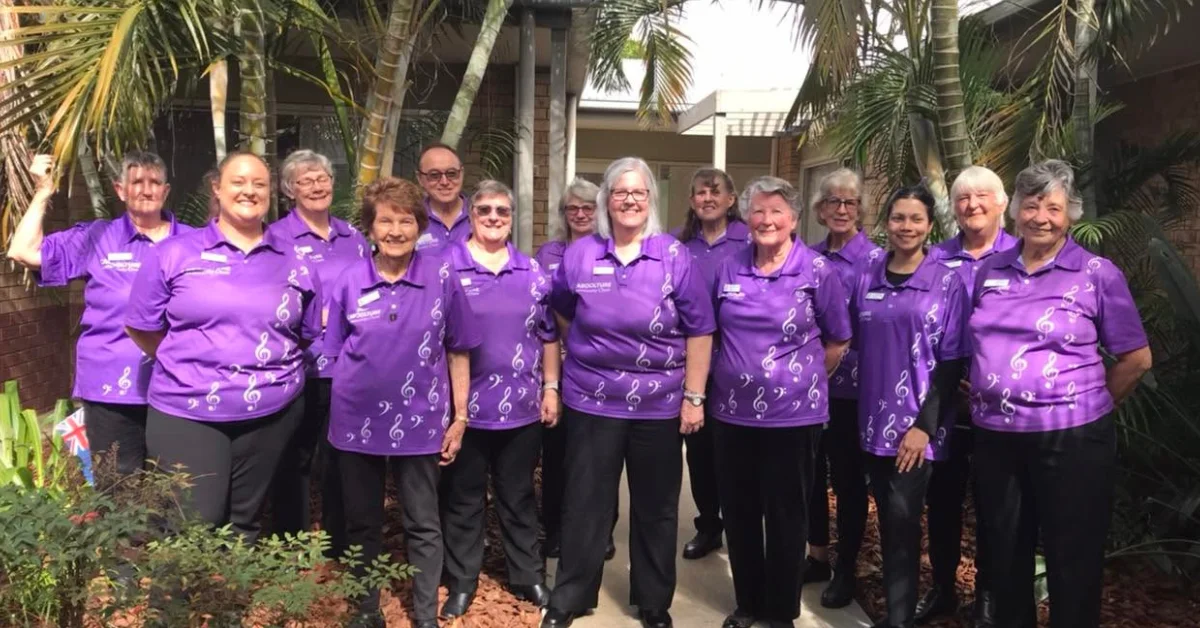
The Well-being Concert with Chris Brindley will be held at Morayfield Community Hall on Saturday, 26 September 2026, with the performance starting at 2pm. The concert will bring together members of the established choir and singers who have taken part in the group’s wellbeing singing project.
The project has been led by guest musical director Chris Brindley, with people who enjoy singing but cannot commit to regular choir membership invited to participate. Those singers will join the choir for the September performance, giving participants the chance to take their work from rehearsals to the stage.
Photo credit: Facebook/Caboolture Community Choir
The project has focused on bringing people together through group singing, with the concert marking the culmination of the program. Brindley has been guiding the singers ahead of the performance, which will bring the project participants and established choir members together for the public concert.
Doors will open at 1.45pm, with the performance beginning at 2pm. The afternoon will be followed by complimentary afternoon tea at 4pm and an opportunity for attendees to meet members of the choir.
Entry is free, but bookings are required because audience numbers are limited and tickets are required for entry.
Photo credit: Facebook/Caboolture Community Choir
The concert comes as the Caboolture Community Choir continues a singing tradition dating back to 1995. The choir says it has been performing across south-east Queensland since 1995, fostering the singing talents of more than 200 members.
Its SATB format brings together soprano, alto, tenor and bass voices, with the group describing itself as a welcoming choir for adults with a passion for singing. Its musical repertoire covers a range of genres, while the choir invites women and men aged over 18 to join.
The group has also performed at retirement villages, schools and functions around the Moreton Bay, Sunshine Coast and Brisbane regions, and lists participation in the Queensland Music Festival among its past activities.
About the Caboolture Community Choir
Photo credit: Facebook/Caboolture Community Choir
Caboolture Community Choir is a not-for-profit community group committed to sharing music with the wider community. The choir says it is not religiously affiliated and aims to provide workshops and education, serve the community, foster a love of music and provide entertainment. It is an unauditioned, non-competitive adult SATB choir and says it is always looking for new members.
The September concert will provide an opportunity for the wider Caboolture and Morayfield community to hear the group perform while meeting some of the singers involved in the wellbeing project.
For those interested in joining, regular rehearsals are held on Wednesday evenings at St Laurence’s Anglican Church Hall in King Street, Caboolture.
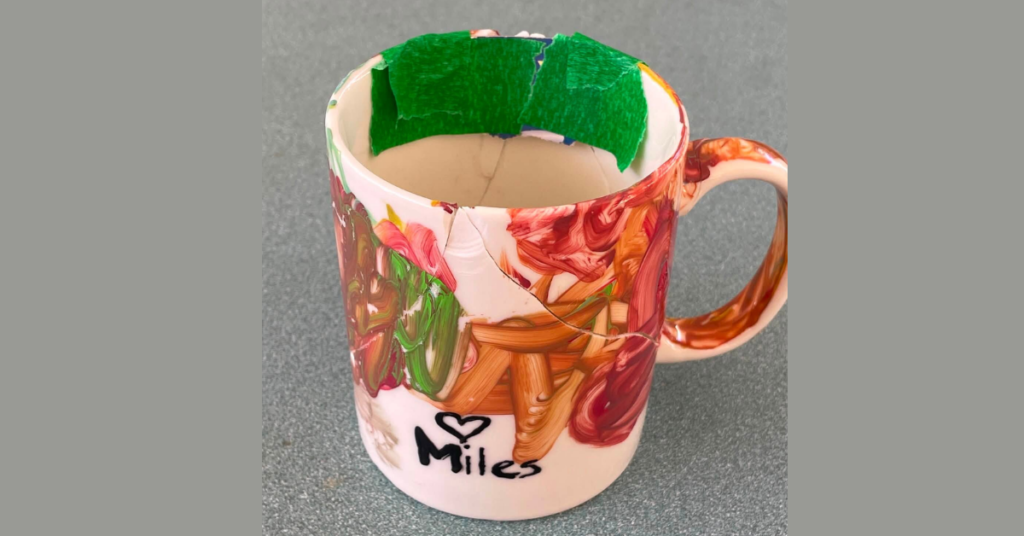
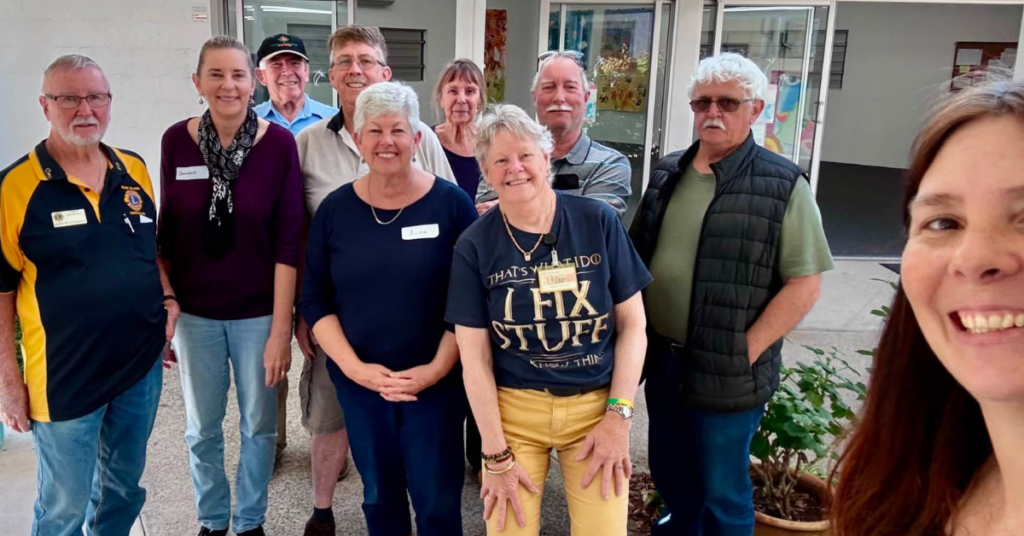
Have you ever wondered what to do with that drawer full of broken toys and torn shirts on Bribie Island? A clever new local fix-it group has the answer.
Discarded trinkets, torn garments, and broken electronics no longer need to face an immediate trip to the local tip. By pooling resources together, the regional arts precinct and local service clubs have established a communal workspace dedicated entirely to extending the lifespan of everyday goods.
This neighborhood-driven venture taps into a global grassroots tradition that originally started in the Netherlands to combat planned obsolescence and excessive consumption.
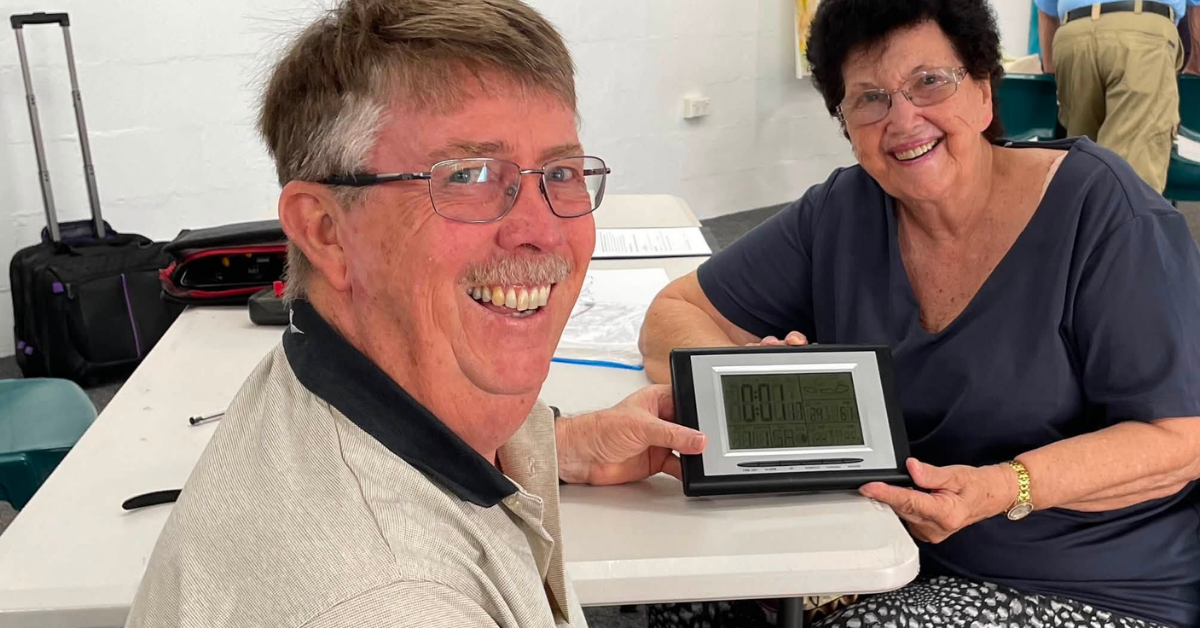
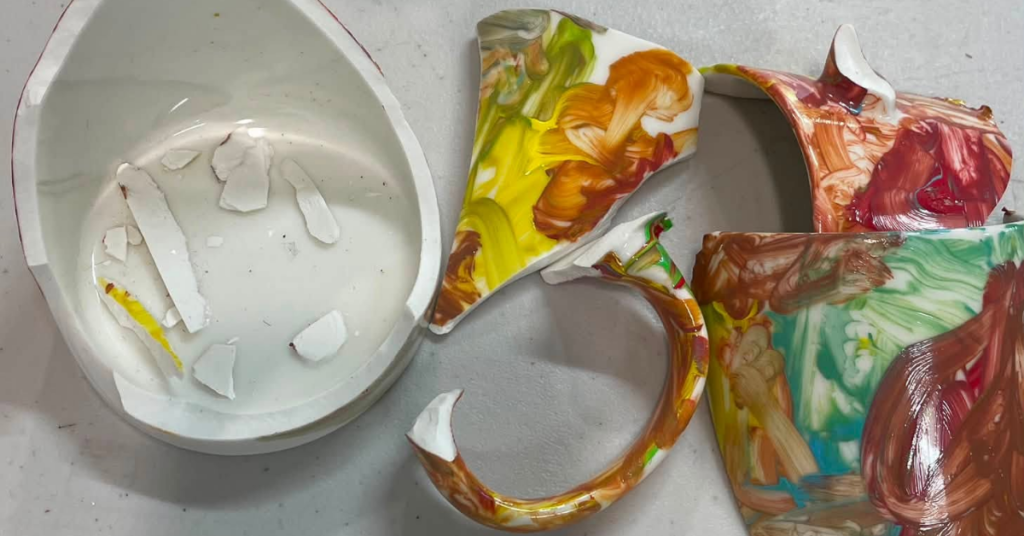
Visiting participants can hand over a wide variety of battered items to skilled volunteer fixers who donate their time and expertise. Accepted belongings include children’s toys, chipped ceramics, wooden goods, timepieces, low-value jewellery, and clothing needing simple alterations like hems or buttons. Safety guidelines require visitors to leave complex electronics, kitchen knives, lawnmowers, mobile phones, computers, tablets, and large mains-powered appliances at home.
Beyond simple recycling, the gatherings double as social hubs where neighbors mingle while watching artisans breathe new life into battered objects. Attendees are invited to wander through the rotating gallery exhibits or grab a warm drink from the arts centre’s cafe while repairs take place. Organizers emphasize that the atmosphere fosters genuine connections and skill-sharing across generations, turning routine errands into community events.
The repair sessions operate on a best-effort basis without commercial warranties, welcoming locals on the fourth Friday of every month between 10:00 AM and 12:00 PM. Participants contribute a small five-dollar donation per item to support ongoing operations, which also funds morning tea vouchers for the hardworking volunteer fixers.