



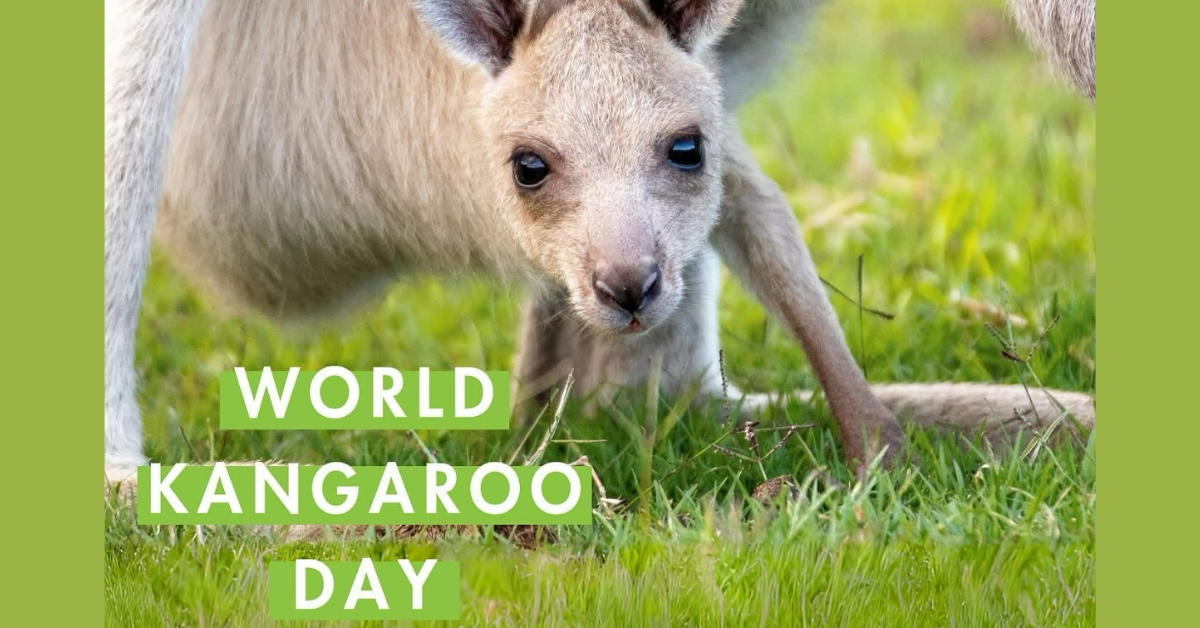
Motorists across Caboolture and surrounding suburbs are being reminded to watch for kangaroos on local roads, particularly around dawn and dusk, as new wildlife monitoring measures are introduced across the Moreton Bay region.
The reminder comes as World Kangaroo Day is marked on Saturday, 24 October 2026, with City of Moreton Bay using motion-activated mobile cameras to better understand how kangaroos move near vehicles and cross busy roads. The cameras are being set up in areas where kangaroos are commonly struck by vehicles. Footage will be analysed to help identify measures that could reduce wildlife collisions and improve safety for animals and motorists. Specific camera locations have not been announced, although earlier wildlife road safety warnings have highlighted roads within the Caboolture area.


Sharing Local Roads With Wildlife
Central Springs Parade and Smiths Road in Caboolture were named in earlier regional wildlife safety reporting as locations where motorists should exercise additional caution. The warnings concerned native wildlife generally rather than confirmed kangaroo collision hotspots, reflecting the broader challenge of protecting animals around roads and residential areas. For residents travelling through Caboolture, Morayfield, Bellmere, Elimbah and Upper Caboolture, awareness of wildlife is particularly important during early morning and evening journeys.
Kangaroos frequently move in search of food and can cross roads during periods of reduced visibility, sometimes giving motorists little time to react. Mr Peter Flannery highlighted the importance of driver awareness in the council’s written World Kangaroo Day media release.


“Kangaroos are most active during dawn and dusk and will move frequently in search of food, and that can mean crossing busy roads,” he said. Motorists are encouraged to observe wildlife warning signs, maintain safe speeds and remain alert to movement along roadsides.
Wildlife Crossings and Local Habitats
Wildlife protection infrastructure is already in place at several locations around Caboolture and neighbouring communities. Near the Bruce Highway, fauna crossing structures and exclusion fencing have been installed within the King Johns Creek–Lagoon Creek corridor to help native animals move between habitats. Pumicestone Road also has wildlife protection measures, including a fauna rope bridge, underpass and fencing.
Similar structures at Walkers Road and Oakey Flat Road West in Morayfield have been associated with possum and glider movements. Although these facilities support native wildlife, their presence does not necessarily mean they are used by kangaroos. Across the wider Moreton Bay region, council reports 48 fauna underpasses and more than 40 locations with fauna exclusion fencing. The new camera monitoring will provide further information about kangaroo movements around vehicles and may help inform future wildlife safety measures.
Rescuing Injured or Sick Wildlife
Community volunteers also play an important role in helping injured, sick and orphaned native animals across the Moreton Bay region. Wildlife Rescue Queensland responds to wildlife assistance reports around the clock, relying on volunteers to undertake rescues, transport animals and support its 24-hour hotline. The organisation welcomes people without previous rescue experience, providing guidance to help volunteers develop appropriate animal-handling and rescue skills.


For Caboolture residents, animal transport is another opportunity to assist. The organisation operates three designated transport trips daily from Caboolture to the Australia Zoo Wildlife Hospital at Beerwah, helping rescued animals access veterinary treatment while allowing rescue volunteers to attend to other calls.
Volunteers can also assist with answering wildlife hotline enquiries, administration and data entry, with training provided for telephone operators. Other roles include caring for rescued wildlife and collecting native plant cuttings used to feed animals such as possums, gliders and kangaroos.
The organisation offers opportunities for people with varying availability, including those able to contribute occasional shifts rather than undertake regular rescue work. Further information about volunteering is available through Wildlife Rescue Queensland.
Helping Injured Wildlife
Motorists who encounter wildlife on the road are advised to brake in a controlled manner rather than swerve suddenly, which can place other road users at risk. Where an injured animal is found, drivers should stop only when it is safe, avoid approaching potentially dangerous wildlife and seek assistance from an appropriate rescue service. Injured, sick or orphaned native animals can be reported to Wildlife Rescue Queensland’s 24-hour rescue hotline on 0478 901 801.
With kangaroos continuing to move between feeding areas and surrounding habitats, careful driving remains one of the simplest ways residents can help protect native animals while keeping local roads safer. World Kangaroo Day also highlights the work of community volunteers who help injured wildlife receive appropriate care.
Published 23-October-2026
CLICK ANY LOGO TO SEE PUBLICATION