



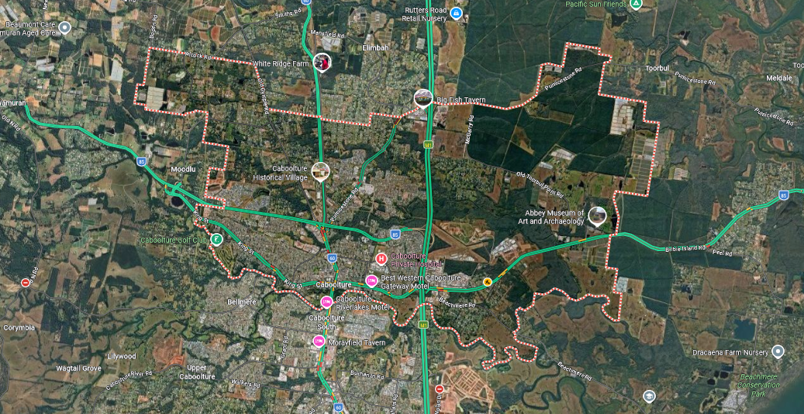
Most people know Caboolture today as one of South East Queensland’s busiest and fastest-growing communities. But long before housing estates and busy roads arrived, Caboolture was a quiet farming district built around a railway line — a line that would become deeply connected to the region’s wartime history. That connection still runs through the suburb today.
In the early 1900s, Caboolture sat along the North Coast rail line, one of Queensland’s most important transport corridors. Trains carried dairy produce, livestock and supplies south to Brisbane, while also linking regional communities across the state.
During wartime, those same tracks carried young men leaving for service. Historical records archived show ANZAC Day commemorations taking place in Caboolture as early as the 1920s, revealing how closely the district identified with remembrance and military service even a century ago.


At the time, Caboolture was still a rural settlement surrounded by dairy farms and small agricultural properties. Families depended on the land, and the railway station formed the centre of community life.
When troop trains passed through, residents gathered along the platform to farewell local servicemen. Fruit, cigarettes and handwritten notes were passed through carriage windows as trains prepared to leave.


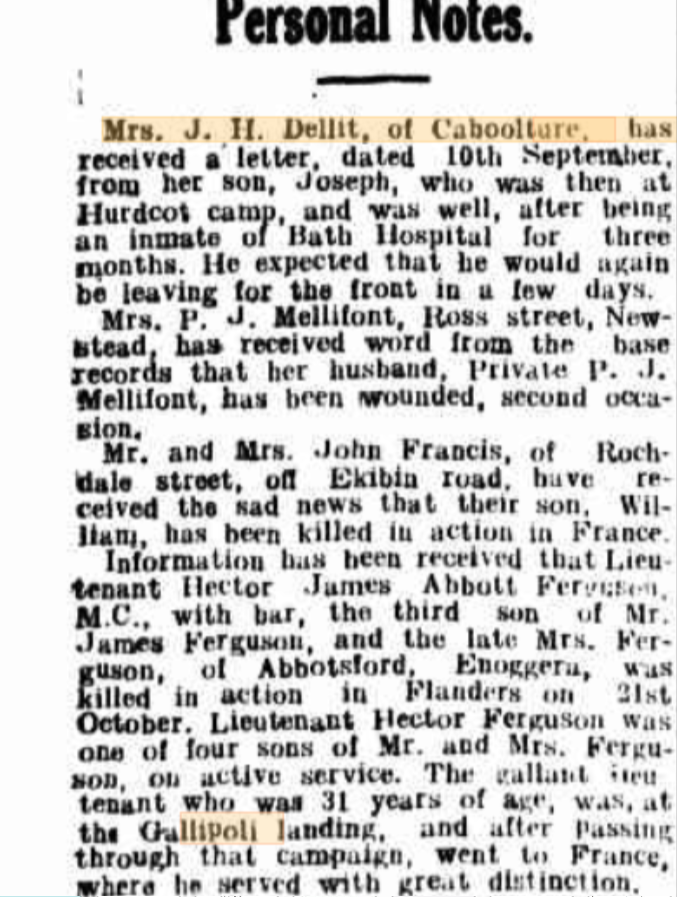
By 1916, the impact of the First World War was already being felt across the district. Short notices published in newspapers quietly recorded the names of local men killed or wounded overseas. Behind each line was a farming family suddenly missing a son, a brother or a worker. The war changed everyday life in ways that extended far beyond the battlefield.
Life Along the Rail Corridor
Caboolture’s railway line did more than move people — it helped shape the entire district. The farms surrounding the town supplied Brisbane with milk, produce and other essentials during the early decades of the 20th century. The rail corridor allowed rural communities like Caboolture to remain connected to the growing capital.
In the years after World War I and World War II, returned servicemen across Queensland were encouraged to rebuild their lives through farming and rural settlement programs.
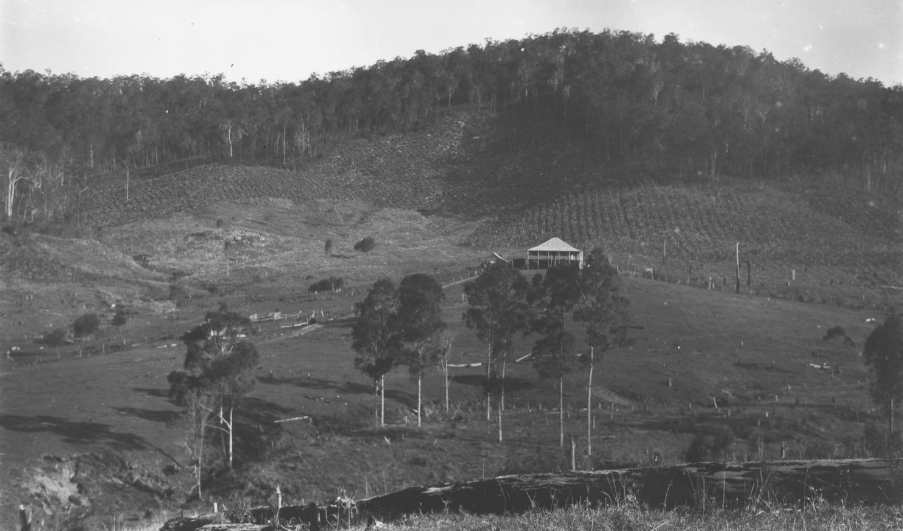
Nearby districts such as Beerburrum became associated with agricultural training and settlement schemes designed to help veterans transition back into civilian life.


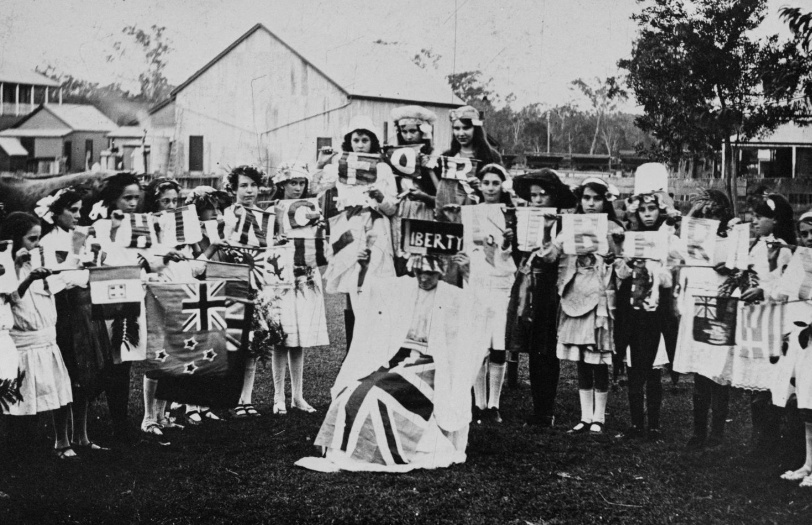
Caboolture also played a role in maintaining wartime morale. Community events, patriotic fundraisers and public gatherings became common throughout the war years. One striking historical photograph preserved by the State Library of Queensland shows local girls during World War I standing beneath banners spelling out the words “Fighting for liberty”, reflecting how deeply the war effort touched even small rural towns.
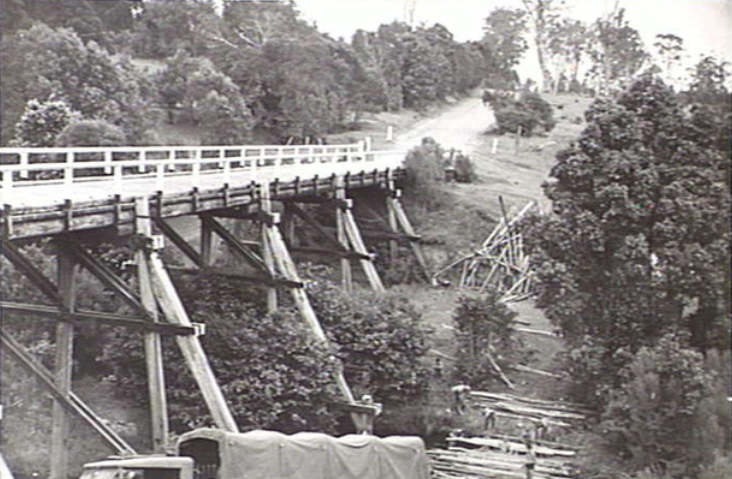
During World War II, the region again became strategically important. Troops stationed near Caboolture helped construct temporary river crossings and transport infrastructure used to move men and supplies through Queensland during the later stages of the war.
A History Still Running Through the Town
Although modern Caboolture looks very different from the farming district it once was, parts of that history remain surprisingly visible.
The same railway corridor that once carried produce and servicemen still cuts through the suburb today, continuing to connect Caboolture with Brisbane and regional Queensland.
Many of the district’s old farming areas have gradually transformed into residential neighbourhoods, but the town’s identity continues to reflect the same foundations that shaped it generations ago — movement, connection and community.
Caboolture’s ANZAC story is therefore not just about memorials or ceremonies. It is woven into the district itself: into the rail line, the farms, the wartime farewells and the generations of local families whose lives were shaped by service and sacrifice.
Published 23-April-2026
CLICK ANY LOGO TO SEE PUBLICATION