




Heavy rain and flash flooding across parts of Moreton Bay on Thursday, 22 October, have brought renewed attention to the infrastructure needed to support the region’s growing communities.
The City of Moreton Bay reported that parts of central Moreton Bay received more than 100 millimetres of rain in about three hours. While the flooding demonstrated the pressure intense rainfall can place on local infrastructure, it does not establish that the wastewater network experienced a failure.
Separate from the storm, Unitywater has documented major wastewater projects around Narangba, Burpengary and Morayfield designed to increase capacity as development continues.


Keeping stormwater out of the sewer
Stormwater and wastewater systems perform different jobs. Stormwater drains carry rainwater away from streets and properties, while wastewater pipes transport sewage from homes and businesses to treatment plants.
During prolonged or intense rainfall, stormwater can enter sewer pipes through cracks, defective maintenance-hole covers and incorrectly connected private plumbing. This is known as infiltration and inflow. The additional water can reduce the capacity available for sewage and contribute to a sewer surcharge or overflow.


Unitywater’s published smoke-testing programme illustrates the scale of the challenge. In an update dated 12 October, the utility reported that it had identified about 4,000 defects in private plumbing connections over five years. It said 85 per cent had been rectified across Moreton Bay, reducing stormwater inflow by 24 per cent.
Those figures relate to the utility’s broader programme, not a measured impact from the 22 October rainfall.
A new pipeline for Narangba and surrounding suburbs
Unitywater’s Narangba Wastewater Network Capacity Upgrade includes about 11 kilometres of new wastewater pipeline, a new pump station on Mackie Road and upgrades to existing pump stations on Mumford Road and Delaney Road.
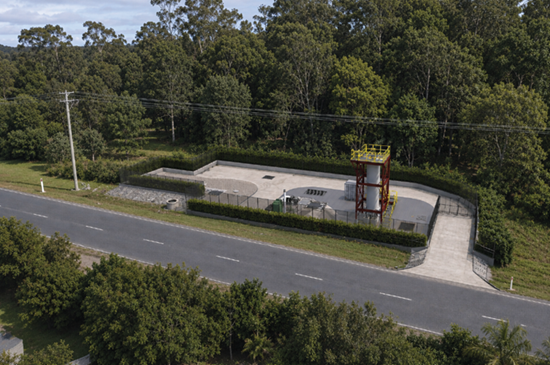
The expanded network is intended to support Narangba, Burpengary, Deception Bay and south-eastern Morayfield. Unitywater’s project information estimates that the upgrade will accommodate about 33,670 future residential lots and around 100,000 additional residents over the next 20 years.


The published project schedule runs from October 2026 to early 2029, with major pipeline and pump-station construction expected to be under way in 2027. Downer is named as the delivery contractor.
The project is designed to increase network capacity, improve reliability and reduce the risk of wastewater overflows as population and development grow. The public project information reviewed does not establish a total cost for this specific upgrade.
Treatment works at Burpengary East
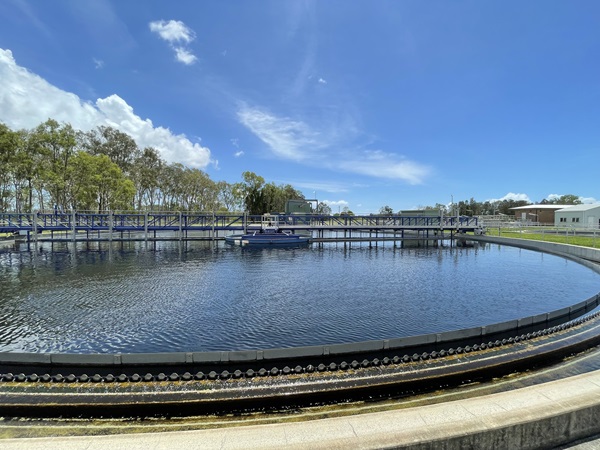
At Burpengary East, Unitywater is undertaking a separate upgrade of its wastewater treatment plant on Uhlmann Road.
The project, valued at more than $100 million, began in May 2024 and is expected to be completed by early 2027, subject to weather and site conditions.
The works include a new bioreactor and clarifier, improvements to the plant’s inlet and odour-control systems, upgraded disinfection and modernised electrical and control equipment.
Unitywater says the upgraded plant is expected to serve 81,000 people and treat up to 14 million litres of wastewater a day.
Treatment capacity is only one part of wastewater resilience. Expanding a treatment plant does not, by itself, prevent stormwater from entering sewer pipes or resolve every local pumping constraint. Pipelines, pump stations, treatment facilities and private plumbing connections all have distinct roles in keeping the system operating effectively.
Practical steps for residents
Residents can help reduce avoidable stormwater entry by ensuring downpipes discharge to the stormwater system rather than the sewer. Overflow relief gullies — the grated fittings outside many homes — should be kept clear and accessible.
Anyone who sees suspected sewage escaping from a sewer or maintenance hole should avoid contact with the affected water and report the problem to Unitywater through its published faults and emergencies number, 1300 086 489.
The region’s documented projects show how wastewater infrastructure is being expanded to accommodate growth and address known network pressures. The heavy rain on 22 October provides relevant local context, but the available public information does not establish that it caused a wastewater incident.
For Narangba, Burpengary and Morayfield, the longer-term challenge is ensuring that growing communities have sewer networks and treatment facilities with sufficient capacity to meet future demand.
Published 23-October-2026
CLICK ANY LOGO TO SEE PUBLICATION