




Vulnerable native koalas traversing the increasingly fragmented landscapes of Upper Caboolture are gaining a much-needed sanctuary as conservationists prepare to plant 1,200 specialised food and habitat trees to bridge treacherous gaps in the local bushland.
Securing Safe Passage
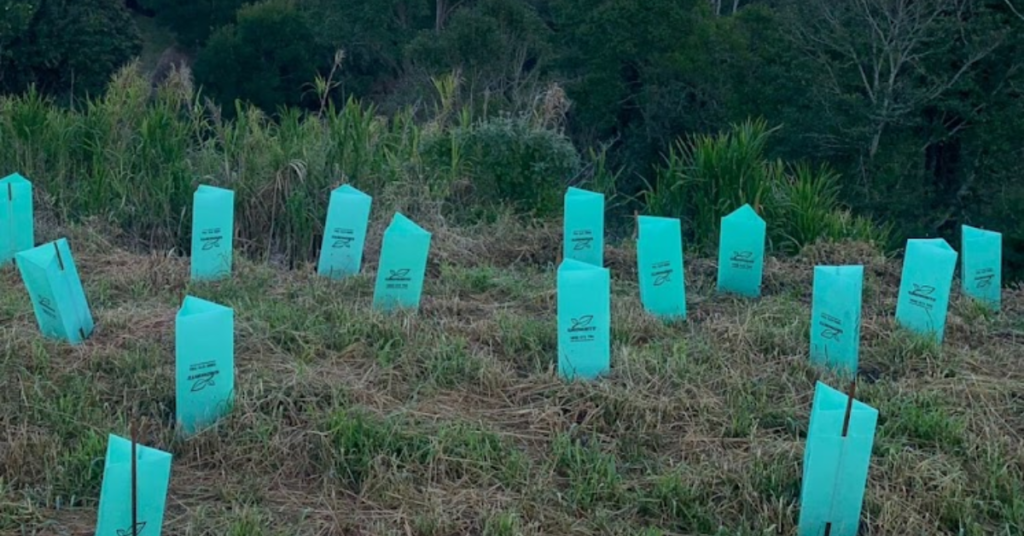
How do we stop these iconic animals from disappearing? The answer lies in targeted action. Announced in recent weeks as part of a state funding rollout, this grassroots project targets the exact travel routes our wildlife relies on.


By filling the hazardous voids between existing patches, ECOllaboration Ltd hopes to steer animals away from urban dangers. The Nambour-based non-profit is zeroing in on tree species that offer the perfect mix of diet and shelter.
A Broader Ecological Push
This hyper-local effort forms just one piece of a massive environmental puzzle taking shape across Queensland. Ten other organisations are sharing in a nearly $600,000 grant pool, collectively bringing more than 27,000 new trees to priority regions. Environment Minister Andrew Powell stressed the importance of these practical steps. Expanding these wildlife corridors, he noted, remains essential for ensuring future generations can still spot a koala resting high in the natural canopy.


Decades of Local Expertise
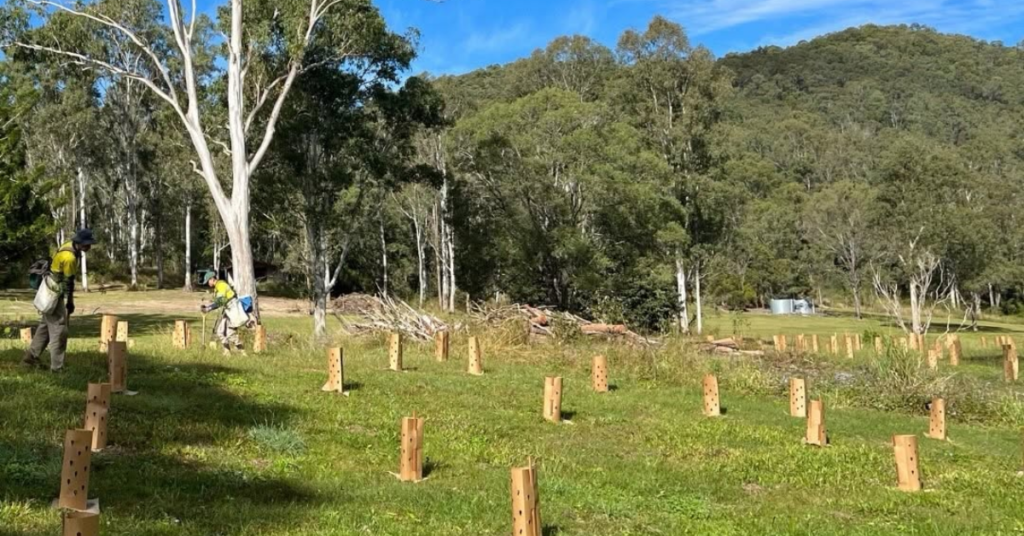
Tackling such an ambitious restoration requires deep roots in land management. Originally operating as Maroochy Water Watch, ECOllaboration brings over three decades of South East Queensland care experience to the table.
Their resume is extensive. From running widespread biodiversity assessments and the long-standing PlatyTracker monitoring program to breeding biological weed controls at their specialised facility, the team attacks conservation from every conceivable angle. They even cultivate their own stock in a dedicated native plant nursery.
Cultivating Community Champions
Yet, saving habitats means little without teaching people how to protect them. The group prioritises community education heavily, running marine science field trips and biology workshops for school students. Traineeships provide another crucial layer of support. By offering accredited work-based learning, the organisation creates inclusive pathways into the workforce while simultaneously boosting the volunteer manpower needed to keep local waterways clean and ecosystems thriving.


Published Date 13-August-2026
CLICK ANY LOGO TO SEE PUBLICATION