




Bribie Island’s beaches are becoming one of the few places in Queensland where cooler sand temperatures may still help produce male turtle hatchlings, giving marine experts and local volunteers fresh hope for the future of Australia’s loggerhead turtles as warming conditions reshape nesting beaches further north.
Ahead of World Turtle Day on 23 May, the City of Moreton Bay confirmed that 26 loggerhead turtle nests were recorded on Bribie Island during the latest nesting season. The nests were tracked between November and April by the volunteer group Bribie Island Turtle Trackers, which patrols beaches across the island during breeding months.


The figures may appear small beside Queensland’s major nesting regions near Bundaberg and the Great Barrier Reef. Still, researchers and conservation groups say beaches like Bribie Island are becoming more important as rising temperatures affect turtle breeding patterns across Australia.
Warmer Beaches Are Changing Turtle Hatchling Ratios
Marine turtles do not develop sex in the same way humans do. Instead, the temperature of the sand surrounding the eggs determines whether hatchlings are male or female. Scientists working across Queensland have found that hotter nesting beaches are increasingly producing female hatchlings at much higher rates.


According to information shared by the City of Moreton Bay, sand temperatures on Bribie Island averaged about 27 degrees Celsius during the latest nesting season. That is lower than some northern Queensland beaches where temperatures above 29 degrees have been linked to heavily female hatchling populations.
The issue has become a growing concern for conservation workers monitoring turtle populations across Queensland. Research and conservation programs at places such as Mon Repos near Bundaberg and parts of the Great Barrier Reef continue to track how climate conditions are affecting nesting success.
On the southern Great Barrier Reef, Heron Island has also become a major focus for turtle monitoring, particularly during breeding and hatching season when visitors and researchers gather to observe nesting activity along the shoreline.
Bribie Island Residents Are Taking Part in Turtle Protection
Long before hatchlings begin moving towards the water, local volunteers are already on the beach before sunrise checking dunes, marking nests and recording turtle activity.


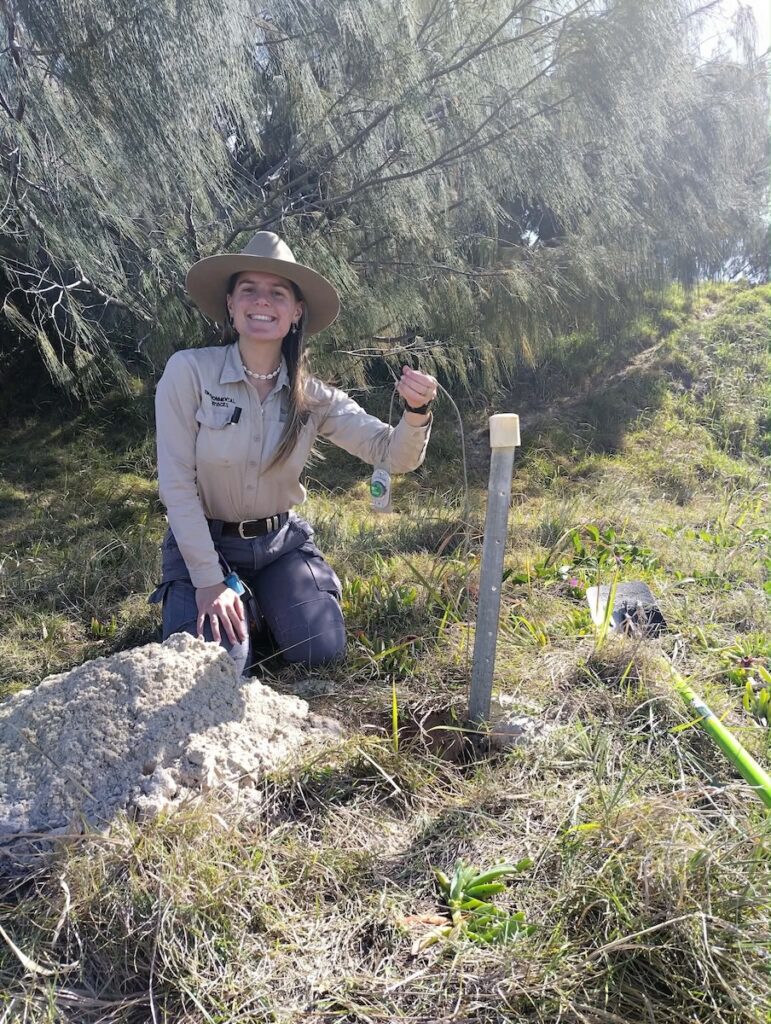
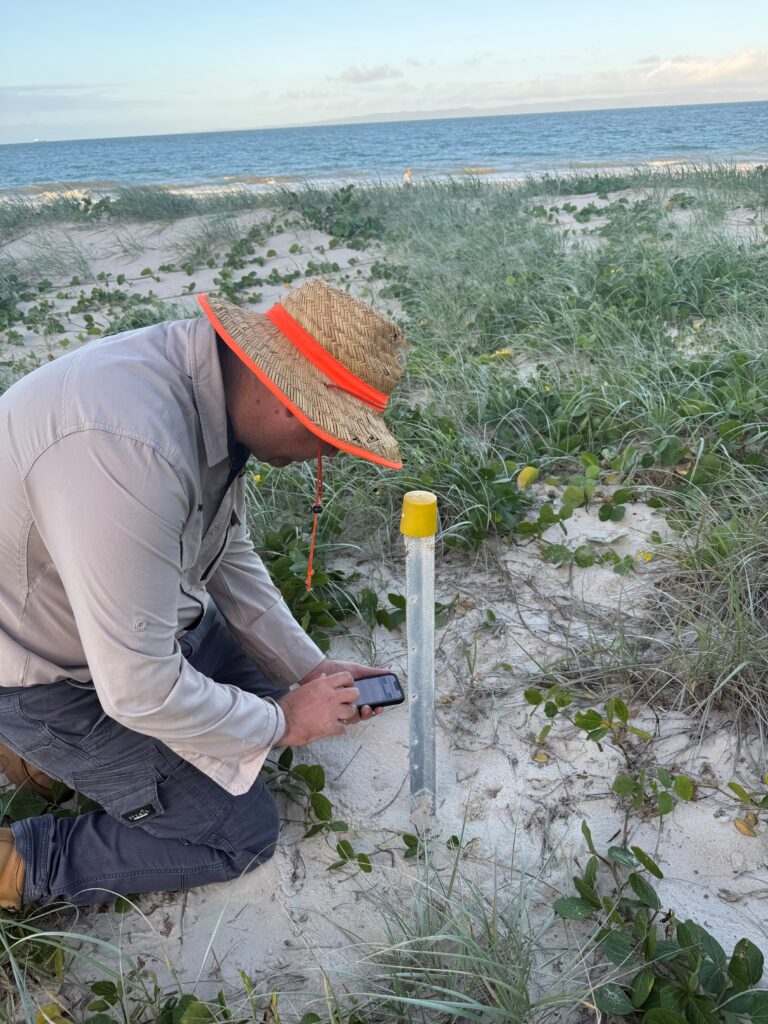
The Bribie Island Turtle Trackers work alongside Moreton Bay council officers to monitor nesting sites and help reduce threats around breeding areas. Council teams have installed shade structures near vulnerable nests and adjusted lighting near some beachfront locations to reduce the risk of hatchlings becoming disoriented at night.
Artificial light remains one of the biggest dangers for newly hatched turtles. Hatchlings naturally move towards moonlight reflecting off the ocean, but strong lighting from homes, streets and beachfront areas can pull them inland instead.

Community education campaigns across Queensland have increasingly focused on practical changes residents can make during nesting season. Conservation groups encourage people living near beaches to switch off unnecessary outdoor lighting at night, avoid walking across sand dunes and keep dogs under control near nesting areas.
Volunteer-led programs are also expanding in other parts of the state. The Australian Marine Conservation Society recently highlighted community volunteers in Queensland helping turtle hatchlings safely reach the ocean during breeding season.
Queensland’s Turtle Conservation Efforts Stretch Beyond Bribie Island
Queensland remains home to some of the world’s most important marine turtle nesting sites. Six of the world’s seven marine turtle species have been recorded in Moreton Bay waters, while beaches along the Great Barrier Reef support major nesting populations for loggerhead, green and hawksbill turtles.
Programs run through Queensland Parks and Wildlife Service continue to monitor turtle migration, breeding success and long-term survival rates through tagging and conservation work.
Elsewhere in Queensland, other turtle species are also facing pressure from habitat changes and flooding. Recent reporting examined ongoing efforts to protect the endangered Mary River turtle, which remains one of the state’s most vulnerable freshwater species.
Across coastal communities, conservation workers say local involvement continues to shape the success of turtle protection programs. Beach patrols, responsible boating, reduced light pollution and community awareness campaigns are all playing a role in helping hatchlings survive their first journey to sea.
Small Actions on the Coast Can Shape a Turtle’s Survival
Turtle season has become part of the rhythm of coastal life in Bribe Island. Early morning beach walks now often include checking for turtle tracks in the sand, while volunteers continue sharing nesting updates with local families and visitors.
As World Turtle Day draws attention to turtle conservation around the world, beaches on Bribie Island are showing how local communities can support species that have travelled Australian waters for millions of years.
Each successful nest on the island adds another generation to a species facing growing environmental pressure along the Queensland coast.
Published 22-May-2026
Featured Image Credit: Supplied
CLICK ANY LOGO TO SEE PUBLICATION