


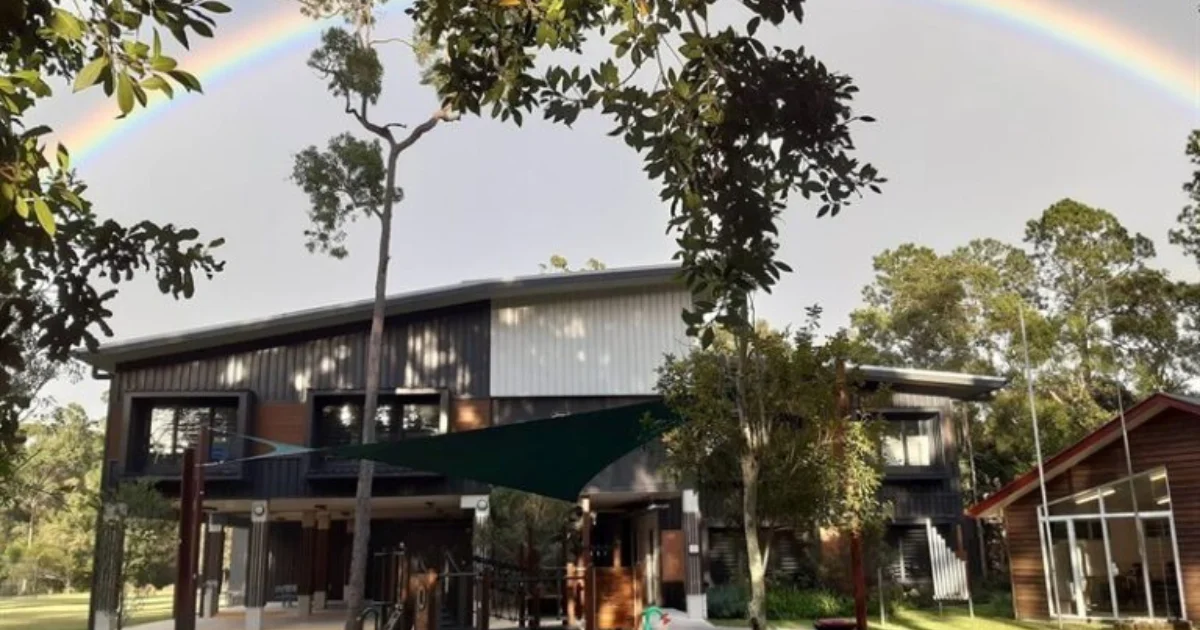
Across Queensland, alternative schools are attracting a new generation of families ready to try a different approach to education — and the numbers back it up. Located on a semi-rural ten-acre campus on the outskirts of Caboolture, Caboolture Montessori School (CMS) is among a growing number of alternative schools recording steady enrolment growth as more families look beyond the mainstream system.
Read: Caboolture Martial Arts School Welcomes Seniors and Toddlers Alike
Figures show statewide enrolments at Steiner and Montessori schools have increased by 12.8 per cent over the past five years, rising from approximately 1,804 students in 2021 to around 2,045 in 2025, according to an Education Department spokesperson.


Currently educating close to 250 primary students in the Moreton Bay region, CMS caters to children from as young as 15 months through to Year 6, offering what it describes as a proven, scientifically grounded approach to learning that puts the child, not the curriculum, at the centre of the classroom.
What Makes Montessori Different?
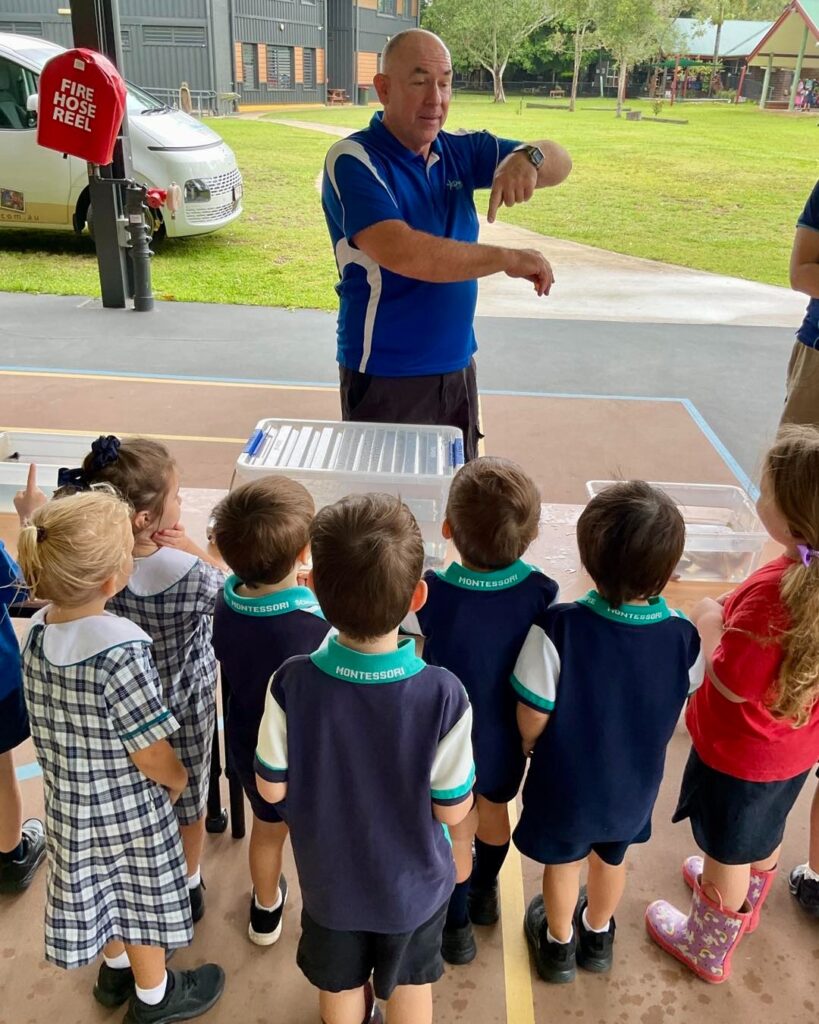
The Montessori method is built on the belief that children naturally strive to acquire skills and construct their own understanding of the world, and that education works best when it supports rather than directs that process.


At CMS, that philosophy plays out in concrete ways. Rather than moving an entire class through the same content at the same pace, students work within what the school calls a “three-hour work cycle,” an uninterrupted block of time that allows each child to engage with material at a level suited to where they are developmentally. Teachers observe rather than direct, stepping in to introduce new concepts when a child is ready rather than on a fixed schedule.
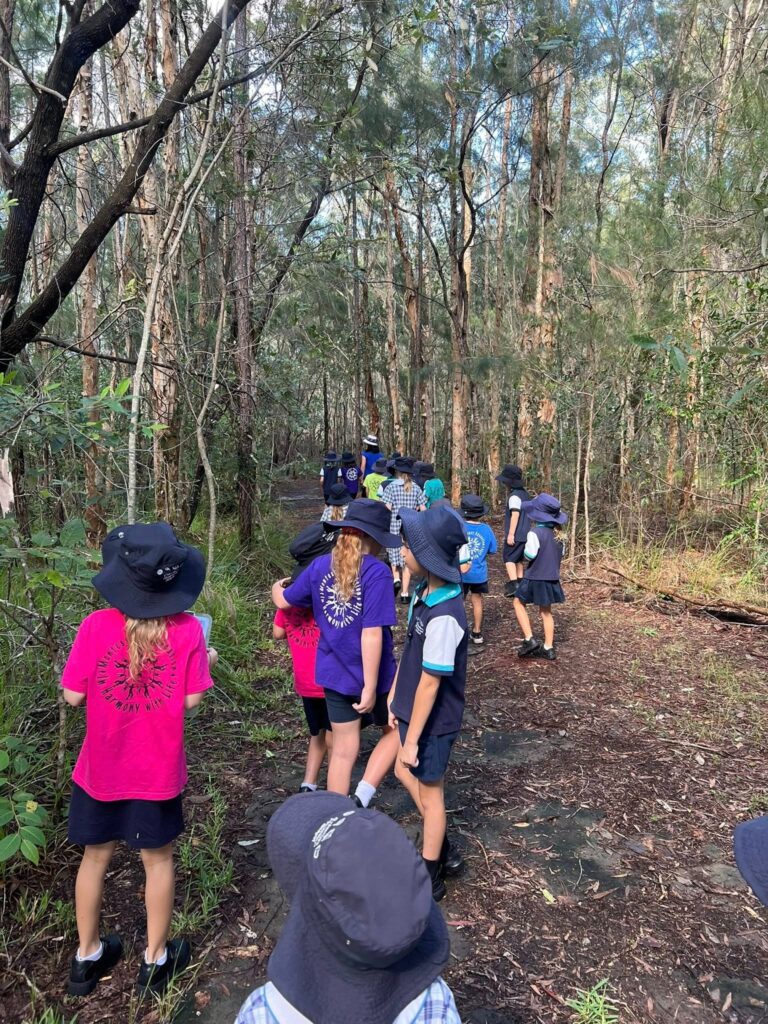
Learning at CMS is largely integrated. A student introduced to one of Dr Montessori’s “Great Stories,” narrative frameworks used to explore big ideas about the natural and human world, will naturally move across mathematics, language, science and other learning areas as their curiosity leads them. Mistakes are part of the process, with students encouraged to self-correct using specially designed learning materials, supported by peers through a culture of collaborative tutoring.
Fully aligned with the Australian National Curriculum, the school aims to produce what it describes as confident, independent thinkers capable of navigating a rapidly changing world, grounding its approach in values of respect, responsibility, resilience, empathy and a lifelong love of learning.
Why More Families Are Looking for Alternatives
The growth at CMS reflects a broader statewide pattern that industry observers say has been building since at least 2019. There is growing frustration among parents with what many perceive as an increasingly rigid mainstream system, one that does not always flex to meet the individual needs of every child.


Education experts have pointed to wider social forces at play as well, suggesting that declining trust in mainstream institutions and anxiety about ideological tensions in conventional school settings are prompting parents to seek out environments they perceive as more values-driven and emotionally safe for their children.
That conversation is not confined to private alternative schools. Capalaba State College has run its own Montessori stream since 2019, with school leadership acknowledging that while mainstream schools do important work, they do not meet every child’s needs.
A Growing Track Record
Per-capita figures show consistent growth across the state’s alternative schools, with CMS among those recording an upward enrolment trend alongside Steiner schools in Samford Valley and Agnes Water.
Education Minister John-Paul Langbroek has said Queensland believes parents are best placed to determine the right educational fit for their children, and remains committed to building inclusive school environments across the state.
Read: Caboolture And Burpengary Schools Confirm 2026 College Captains
For Moreton Bay families, Caboolture Montessori School offers something distinct, a scientifically grounded education philosophy delivered in a semi-rural setting where each child is supported to learn at their own pace, in their own way.
Featured image credit: cms.qld.edu.au
Published 19-March-2026
CLICK ANY LOGO TO SEE PUBLICATION