




Did you know that after three decades of preserving Australia’s aviation heritage, the Caboolture Warplane Museum, which until last month was Queensland’s only operational warplane museum, closed a week before Christmas?
Read: Caboolture Students Take Top Honours at Queensland Aerospace Awards
The museum’s final day was on 19 December, giving visitors one last chance to walk through the hangar, hear the stories behind the aircraft, and experience the history shared by dedicated volunteers. Used books from their library and DVDs were also made available for purchase—many of them for the very last time, with all merchandise offered at half price.


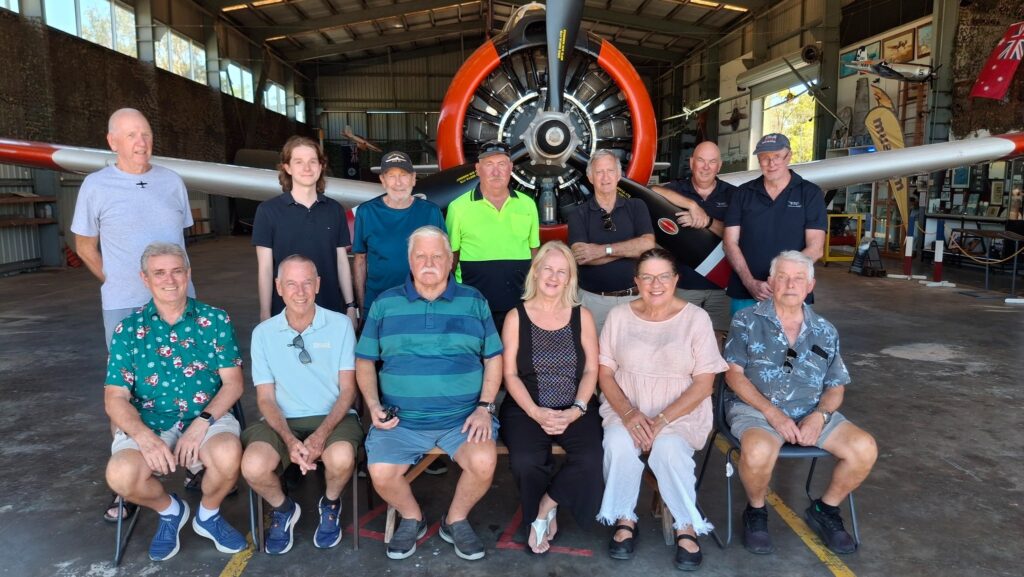
In a post-closure message posted on their Facebook page, the museum expressed gratitude to everyone who supported their mission over the years. “Although our doors have now closed, our story does not end,” the museum stated.
“Like the cycle of life—what has been cherished continues to offer new purpose—our collection, memorabilia, and the stories entrusted to us will live on. Through carefully selected museum partners and historical organisations, the artefacts and knowledge we have protected will continue to educate, inspire, and enrich future generations. In this way, the legacy of our museum takes flight once more, carried forward by institutions equipped to share it with the world.”


The museum thanked visitors, volunteers, donors, veterans, families, and friends for ensuring that the achievements, sacrifices, and innovations of those who came before would never be forgotten.
Petition to Save the Museum
Federal Member for Longman Terry Young launched a petition to save the museum after its hangar was sold and the lease extension was set to expire in March 2026.
“Without help the museum could be forced to close its doors forever,” Mr Young warned at the time, calling for community support to preserve this piece of local and national heritage.
The campaign highlighted the museum’s precarious position at Caboolture Airfield, where the privately owned lease had ended. According to a media release from Mr Young’s office, the museum faced the difficult choice of relocating, seeking a short-term extension, or finding alternative premises. The museum was ultimately unable to secure a long-term solution to remain operational.


Three Decades of Aviation History
Since opening its doors in 1995, Caboolture Warplane Museum was envisaged as a living institution where restored warplanes would actually fly, setting it apart from traditional static displays. The museum offered visitors immersive experiences, such as sitting in the pilot’s seat of a Huey helicopter and viewing the DC-47 Dakota that once served dignitaries.
As a non-government museum, it relied on money earned from activities, gate takings, sales, donations, and grants—all derived predominantly through the voluntary labour of its members. As a non-government institution, every dollar earned went directly back into preserving the aircraft and educational programs for future generations.
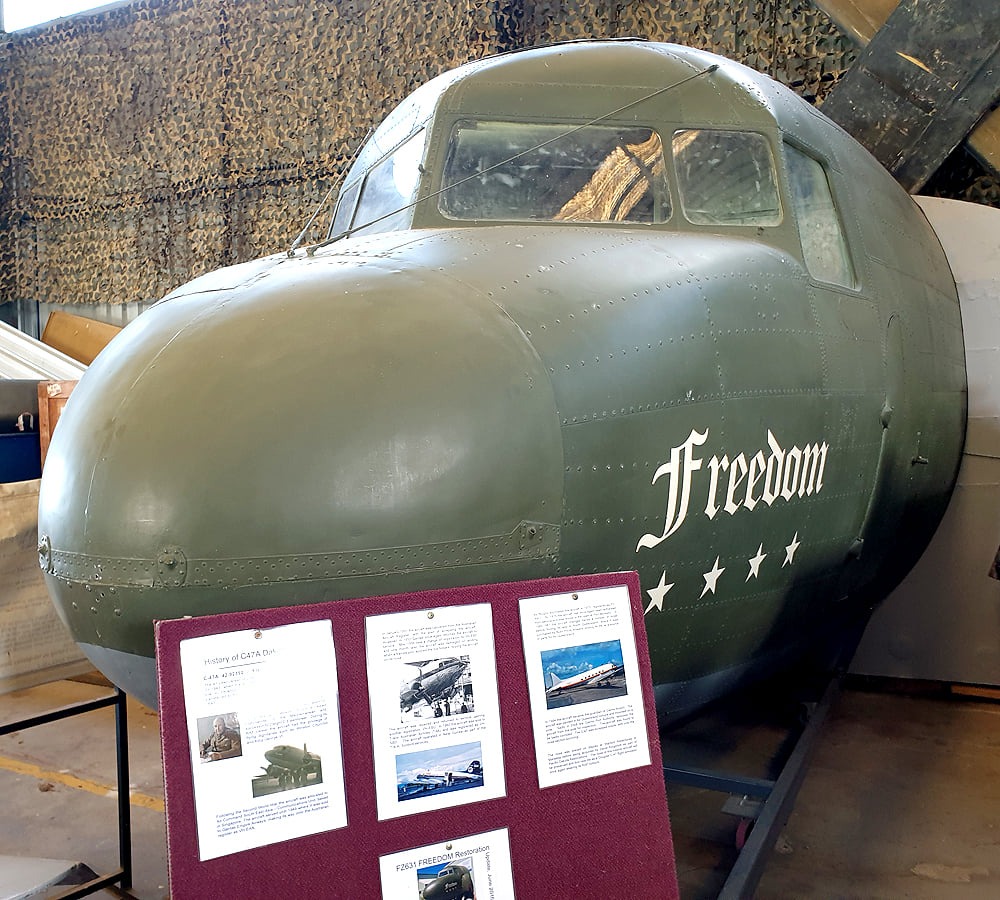
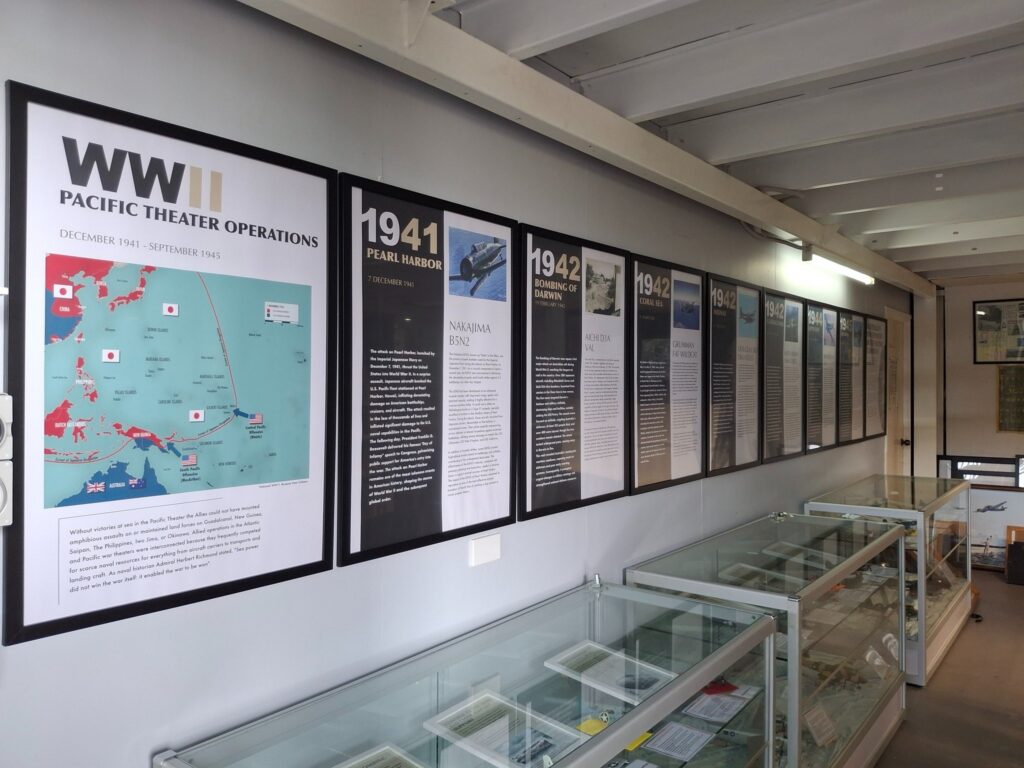
The museum’s collection included iconic aircraft such as the North American T-6 Texan and Gipsy Moth, alongside a Huey helicopter. One of its prized exhibits was the DC-47 Dakota that once served dignitaries including Sir Winston Churchill and King George VI. Beyond the aircraft, the museum featured displays depicting Australia’s flight heritage, with artefacts from WWI, WWII, and the Vietnam era. The museum also told the stories of legendary figures like Leonard Waters, Queensland’s first Aboriginal fighter pilot.
The museum’s impact on the community was recognised through numerous awards, including Tourism Events Queensland’s Best-of-Experiences 2024 and being named Most Popular Kids Activity in Caboolture for five consecutive years from 2020 to 2024.
Read: Caboolture’s Cultural Milestone: Abbey Museum Undergoes Major Expansion
While the physical museum has closed, its legacy will continue through the careful distribution of its collection to museum partners and historical organisations committed to preserving Australia’s aviation history for future generations.
Published 29-December-2025
CLICK ANY LOGO TO SEE PUBLICATION